Category: Business & Economy

  • France Sees New Investment Opportunities in El Salvador

    France has expressed interest in investment opportunities involving transportation, energy, infrastructure and tourism in El Salvador.

    AI Image Generated for Our Life in EL Salvador

    France has expressed interest in participating in El Salvador’s continuing development, with French companies considering opportunities in public transportation, energy, road and railway infrastructure, and tourism.

    French Minister Nicolas Forissier discussed the possibilities during meetings concerning cooperation and investment between the two countries. The interest reflects El Salvador’s growing visibility among international companies looking for new markets and development opportunities.

    This is encouraging news for the country. However, these discussions appear to be at an early stage. No specific investments, contracts, financing arrangements or construction schedules have been announced.

    France’s interest is therefore important, but the real value will depend on what follows.

    Several Important Sectors Identified

    The areas mentioned in the discussions affect the everyday lives of Salvadorans.

    Public transportation determines how people reach their jobs, schools, medical appointments and government services. Energy reliability affects homes and businesses. Roads and railways influence trade and travel, while tourism creates opportunities for hotels, restaurants, transportation providers, artisans and other small businesses.

    Investment in any of these areas could contribute to economic development. Investment across several of them could have an even greater effect because they are closely connected.

    Tourism, for example, depends on dependable roads, public transportation, electricity, water and communications. A beautiful destination cannot reach its potential if visitors have difficulty getting there or local businesses cannot depend on essential services.

    Public Transportation Could Improve Daily Life

    The reference to public transportation is especially important.

    Thousands of Salvadorans depend on buses every day, but the system does not always provide the safety, comfort, reliability or accessibility that passengers need. Modern transportation could reduce travel times and give people better access to employment and education.

    France has considerable experience with buses, urban transit and railway systems. French companies could potentially offer technology, equipment, planning and technical knowledge.

    However, modernization should not be limited to San Salvador or the country’s most heavily visited areas. People living in smaller cities and rural communities also need safe and dependable transportation.

    Here in western El Salvador, transportation improvements could strengthen connections among communities in Ahuachapán and Sonsonate. Better services would help residents while also supporting agriculture, commerce and tourism.

    Any future proposal should clearly explain which communities would be served, what passengers would pay and how the system would be maintained after its construction.

    Energy Investment Must Improve Reliability

    Energy was another area identified as having investment potential.

    El Salvador has made progress in renewable energy, including geothermal and solar production. Nevertheless, dependable distribution remains important for families, businesses and public institutions.

    An investment announcement can sound impressive, but residents will judge an energy project by its results. The results should be measured carefully. A successful energy project should reduce interruptions and strengthen the electrical grid. It should also extend dependable service to underserved communities while keeping electricity reasonably affordable for consumers.

    Large industrial and tourism projects also require dependable electricity. Expanding investment without strengthening energy infrastructure could place additional pressure on the existing system.

    French technology and experience could contribute to renewable generation, energy storage and grid modernization. The government should nevertheless ensure that any agreement protects the public interest and produces measurable improvements.

    Road and Railway Infrastructure Deserve Attention

    The possibility of French participation in road or railway projects may attract considerable interest.

    Road conditions influence almost every part of the economy. Farmers need reliable routes to deliver their products. Businesses depend on transportation to receive supplies and reach customers. Tourism grows when visitors can travel safely and comfortably beyond the principal destinations.

    Railway development could eventually offer another way to move passengers and cargo. It might reduce pressure on highways and improve connections among cities, ports and commercial centers.

    However, rail projects are expensive and require long-term planning. Before construction begins, the government would need to answer several questions.

    Where would the railway operate? Would it carry passengers, freight or both? How much would it cost? Who would finance it? Would the government own the completed system? How many Salvadorans would be trained and employed?

    Railway development should be evaluated carefully and not treated as valuable merely because it is large or modern. A successful project must solve genuine transportation problems and provide benefits that justify its cost.

    Tourism Investment Should Include Local Communities

    Tourism is another promising area for cooperation with France.

    El Salvador’s beaches, mountains, historic communities, archaeological sites and cultural traditions offer experiences that appeal to international visitors. The country’s security improvements and international promotion have helped attract greater attention.

    Additional investment could bring more hotels, restaurants, transportation services and recreational opportunities. It could also encourage more European travelers to consider El Salvador as a destination.

    Still, tourism development should not exclude the people who already live and work in these communities.

    Local guides, artisans, restaurants, farmers and family-owned businesses should have opportunities to benefit. Development should create Salvadoran jobs, protect natural resources and respect the character of the communities attracting visitors in the first place.

    Investment is most valuable when it improves local life as well as the visitor’s experience.

    Interest Is Not Yet a Commitment

    It is important to distinguish between an expression of interest and an actual investment.

    At this stage, the reports have not identified the French companies involved, the amount of money being considered or the projects that might move forward. We also do not know whether future arrangements would involve private capital, government contracts, international loans or a combination of financing sources.

    These details will determine whether the proposals represent good opportunities for El Salvador.

    The public should eventually be told how projects will be financed, how companies will be selected, what guarantees will be provided and what responsibilities will remain with the Salvadoran government.

    Transparency is especially important when a project could leave the country responsible for long-term debt or continuing operating costs.

    Salvadoran Employment Must Be a Priority

    Foreign investment should create more than new structures and equipment. It should also create opportunities for Salvadorans.

    Future agreements should include employment, technical training and partnerships with local businesses. Salvadoran engineers, technicians, construction workers and young professionals should have opportunities to participate and develop skills.

    Whenever possible, projects should also purchase goods and services from Salvadoran suppliers.

    Technology and knowledge transferred during construction can remain useful long after a foreign company completes its work. That lasting benefit may be as important as the original investment.

    A Positive Opportunity That Requires Follow-Through

    France’s interest in El Salvador is a positive indication of how the country is being viewed internationally.

    For many years, foreign news about El Salvador concentrated largely on crime, migration and political conflict. Today, international representatives and companies are also discussing infrastructure, energy, transportation and tourism.

    That change is significant.

    However, announcements alone do not build roads, improve buses, strengthen the electrical grid or create permanent jobs. Progress must eventually be measured through signed agreements, responsible financing, completed projects and improvements that Salvadorans can see in their communities.

    France may have valuable experience and technology to offer. El Salvador has opportunities and development needs that could make cooperation beneficial to both countries.

    The next step is turning diplomatic interest into carefully planned projects that create employment, improve essential services and produce lasting benefits for the Salvadoran people.

    If you enjoy reading about El Salvador’s development, economy, tourism, culture, environment, and continuing transformation, please consider liking and sharing this article. Your comments help start conversations, and subscribing ensures you never miss a new post. Every interaction helps our blog reach more readers and lets us keep sharing stories about life in El Salvador.

  • Port of Acajutla Cuts Ship Waiting Time From 12 Days to 24 Hours

    Modernization at the Port of Acajutla has reportedly reduced container-ship waiting times from approximately 12 days to 24 hours.

    AI Image Generated for Our Life in El Salvador

    The Port of Acajutla has reportedly reduced the waiting time for container ships from approximately 12 days in 2025 to around 24 hours in 2026. If this improvement can be maintained, it represents an important step forward for El Salvador’s economy and international trade.

    According to information presented by representatives of La Unión Portuaria del Pacífico and the Ministry of Economy, the waiting period fell from approximately 288 hours to 24 hours. That is a reduction of about 91.7%.

    It is important to understand what this number means. The report refers to the time container ships wait before they can begin port operations. It does not necessarily mean that a ship can arrive, unload its cargo, complete customs procedures and depart within 24 hours.

    Even so, reducing the waiting period from 12 days to one day is a significant accomplishment.

    Why Faster Port Operations Matter

    The Port of Acajutla is one of El Salvador’s most important connections to international markets. Ships arriving there carry products, equipment, raw materials and other goods used by Salvadoran businesses and consumers.

    The port is also essential for companies exporting Salvadoran products to other countries.

    When ships must wait several days before being attended, the delays can affect the entire supply chain. Businesses may wait longer for materials, exporters can experience difficulty meeting delivery schedules, and shipping companies may face additional operating expenses.

    Some of those costs can eventually be passed on to businesses and consumers.

    Reducing the waiting time gives importers, exporters, transportation companies and warehouse operators greater predictability. They can plan deliveries, manage inventories and coordinate ground transportation more efficiently.

    A reliable port can also make El Salvador more attractive to international companies looking for a location for manufacturing or distribution.

    Technology Is Playing an Important Role

    The changes at Acajutla are not limited to new construction or machinery.

    In January 2026, the port began operating with two important technological platforms. NAVIS N4 is used to manage terminal and cargo operations, while SAP helps manage resources and administrative processes.

    Modern ports depend on technology to coordinate ships, containers, equipment, workers and transportation. Physical improvements are important, but new docks and cranes will accomplish less if the systems controlling port operations remain slow or poorly coordinated.

    Technology can help port managers identify delays, organize equipment and keep information moving between the different organizations involved in receiving and releasing cargo.

    El Salvador is also developing a Maritime Single Window. This system is intended to bring maritime documentation and administrative procedures together in one place.

    Several government institutions are participating, including Customs, the Ministry of Agriculture and Livestock, Migration, the Ministry of Health, the Navy and the Central Reserve Bank.

    This could be one of the most valuable parts of the modernization program. A ship entering a port may require authorization and documentation from several institutions. When every agency uses a separate process, paperwork can become complicated and time-consuming.

    A unified system could reduce duplication and improve coordination.

    More Improvements Are Planned

    The modernization plan for Acajutla reportedly includes investments in docks, cargo yards and other supporting infrastructure. It also covers dredging, new equipment and improvements to electrical and water systems.

    Administrative and operational areas are expected to receive improvements as well.

    These investments are connected to a broader goal of developing Acajutla into a regional center for maritime and logistics services.

    That is an ambitious objective. El Salvador is a small country competing with larger ports and established logistics centers throughout Central America. However, its geographic location and improving infrastructure could allow it to play a greater role in regional trade.

    The partnership with the Turkish company Yilport is expected to be an important part of this transformation.

    Acajutla Is Important to Western El Salvador

    Living in western El Salvador, Acajutla is not a distant place that exists only in economic reports. It is part of our region and an important source of employment and commercial activity.

    Improvements at the port could create opportunities that extend beyond the facility itself. Transportation companies, warehouses, restaurants, fuel stations, repair businesses and other local services can benefit when port activity increases.

    Additional investment could also produce more employment for residents of Sonsonate and nearby communities.

    However, development must be managed carefully. Growth at the port will require dependable roads, responsible environmental management and adequate services for the surrounding communities.

    The benefits should be felt not only by shipping companies and large importers but also by workers, small businesses and families living in the region.

    Important Questions Remain

    The reported reduction from 12 days to 24 hours is impressive, but additional information would help the public understand the achievement more clearly.

    Is 24 hours the average waiting time throughout 2026, or does it represent a shorter recent period? How many ships were included in the comparison? Did the port handle a similar amount of cargo during both periods?

    We should also know whether the total time required to unload containers, complete customs inspections and release cargo has decreased.

    Reducing the time ships wait offshore is an important improvement. Nevertheless, the entire process must become more efficient before businesses and consumers receive the full benefit.

    It will also be important to learn whether improved efficiency results in lower logistics costs. Faster service does not automatically mean that shipping charges, storage expenses or consumer prices will decline.

    These questions do not take away from the progress. They are simply measurements that should be followed as the modernization continues.

    A Promising Development for El Salvador

    The reported improvement at Acajutla is encouraging. Reducing the waiting time for container ships by approximately 91.7% suggests that changes in technology, management and infrastructure are beginning to produce measurable results.

    The challenge now is to maintain that performance as port traffic grows.

    If Acajutla can continue reducing delays, simplify paperwork and expand its capacity, it could strengthen El Salvador’s position in regional and international trade. It could also help Salvadoran businesses move products more reliably and attract companies looking for efficient access to international markets.

    For people living outside the shipping industry, port modernization may seem like a specialized subject. In reality, it can affect the availability and cost of products, employment opportunities, business investment and the competitiveness of the entire country.

    The reduction from 12 days to 24 hours is an excellent beginning. The next step is ensuring that the improvement is sustained and that its economic benefits eventually reach businesses, workers and consumers throughout El Salvador.

    What do you think about the modernization of the Port of Acajutla? Have you noticed additional development or commercial activity in western El Salvador? Please share your thoughts in the comments. If you find our coverage useful, liking and sharing the article helps more readers discover our blog, while subscribing allows you to receive future stories about El Salvador.

  • Regional Trade Strengthens El Salvador’s Pharmaceutical Industry

    Salvadoran pharmaceutical manufacturing is creating skilled jobs while supplying medicines to markets across Central America.

    AI Generated Image for Our Life in El Salvador

    El Salvador’s pharmaceutical industry is becoming an increasingly important part of the country’s manufacturing and export economy.

    According to a recent report from La Prensa Gráfica, trade in packaged medicines among Central American countries exceeded $700 million in 2025. These products include medicines prepared in measured doses for therapeutic or preventive use.

    El Salvador exported more than $180 million in this category during 2025. Guatemala was the country’s largest regional trading partner for these products.

    The figures show that El Salvador is developing the ability to manufacture regulated products that can compete throughout Central America. This is important for a country seeking to diversify its economy beyond traditional exports such as clothing, coffee, and sugar.

    Central America Provides an Important Market

    El Salvador is a relatively small country with a limited domestic market. However, regional economic integration allows Salvadoran manufacturers to reach millions of additional consumers across Central America.

    Through July 2026, the country exported approximately $94.9 million in packaged medicines. Of that amount, $65.9 million went to other Central American countries.

    In other words, nearly 70% of these pharmaceutical exports remained within the region.

    This demonstrates the importance of intraregional trade. Salvadoran pharmaceutical companies do not have to depend entirely on local demand or distant international markets. Neighboring countries provide a natural destination for products manufactured here.

    Regional trade also offers practical advantages. Transportation distances are shorter, markets have similar needs, and participating countries have worked to establish common regulations.

    However, differences in how countries interpret and apply those regulations can still create difficulties. Carmen Pérez, president of the Salvadoran Association of Chemical and Pharmaceutical Industries, known as INQUIFAR, said the region needs a common direction.

    Industry representatives plan to discuss these challenges at a regional meeting. Greater regulatory cooperation could make it easier to register, manufacture, and distribute medicines across Central America.

    Any effort to simplify the process must continue to protect patients. Regional integration should reduce unnecessary barriers without weakening standards for quality, effectiveness, and safety.

    A Modern and Productive Industry

    The production capacity reported by the industry is impressive. Some companies associated with INQUIFAR can reportedly manufacture as many as 100,000 tablets per hour, depending on their facilities and level of investment.

    Technology is also helping manufacturers produce medicines more quickly and develop new products. In addition to packaged medicines, Salvadoran companies are expanding into cosmetics, nutritional supplements, and other health-related products.

    This type of manufacturing requires much more than machinery. It depends on trained pharmacists, chemists, laboratory technicians, engineers, quality-control specialists, and production employees.

    According to INQUIFAR, the Salvadoran pharmaceutical sector currently provides more than 6,150 jobs. Average monthly salaries reportedly exceed $1,000, making the industry one of the country’s better-paying employment sectors.

    These are the kinds of jobs El Salvador needs. They require education and technical preparation, but they can also offer workers greater stability and opportunities for advancement.

    INQUIFAR is working with the National Institute of Training and Education to help prepare pharmaceutical professionals. That cooperation will be important if the industry continues expanding.

    Manufacturers cannot increase production without enough qualified people to operate laboratories, supervise manufacturing, ensure quality, and comply with health regulations.

    The 2026 Outlook Requires Some Caution

    Industry representatives expect the pharmaceutical sector to finish 2026 with positive results. Nevertheless, the available numbers do not yet confirm that growth.

    El Salvador exported more than $180 million in packaged medicines during 2025. Through July 2026, exports had reached $94.9 million.

    If exports continued at approximately the same monthly pace, the year-end total would be below the amount reported for 2025. Sales could accelerate during the final months, but we should wait for the complete annual figures before concluding that exports have increased.

    The wider pharmaceutical sector also experienced a reported contraction of 1.5% in 2025. Therefore, strong intraregional trade does not mean that every part of the industry grew during the year.

    This does not take away from the sector’s accomplishments. It simply reminds us to distinguish between current results and expectations for future growth.

    What Does This Mean for Salvadorans?

    Pharmaceutical exports can benefit El Salvador by creating jobs, attracting investment, strengthening technical education, and bringing additional income into the country.

    However, another question deserves attention: Will a stronger domestic pharmaceutical industry improve access to medicines for Salvadorans?

    Export success does not automatically produce lower prices at local pharmacies. The final cost of medicine can also be affected by imported ingredients, packaging, transportation, distribution, regulations, and retail markups.

    Still, having a strong national manufacturing base could provide El Salvador with greater supply security. It may reduce dependence on some imported finished products and make the country better prepared for regional or international disruptions.

    As the industry grows, it would be helpful to receive more information about the types of medicines manufactured locally. The public should also know how many products are sold within El Salvador and whether domestic production is improving availability or affordability.

    An Industry With Room to Grow

    Germany, Switzerland, and the United States remain among the world’s leading pharmaceutical exporters. El Salvador will not compete with those countries on the same scale anytime soon.

    Nevertheless, the country does not have to become a global pharmaceutical giant for the industry to make a meaningful economic contribution.

    El Salvador can establish itself as an important Central American producer of reliable medicines, supplements, cosmetics, and related products. Its central location, manufacturing experience, regional trade agreements, and growing technical workforce provide a foundation for further development.

    The pharmaceutical sector also represents something larger. It shows that El Salvador can manufacture products requiring technology, scientific knowledge, quality control, and compliance with strict standards.

    The reported export figures are encouraging, but several questions remain. Will exports surpass their 2025 level? Can universities and technical institutions prepare enough qualified workers? Will Central American governments successfully standardize their regulations? Most importantly, will the industry’s growth improve the availability and affordability of medicine for the Salvadoran people?

    Regional trade has clearly given the industry an important market. The next challenge is turning that opportunity into sustainable growth, skilled employment, and benefits that reach people throughout El Salvador.

    If you enjoy reading about El Salvador’s development, economy, tourism, culture, environment, and continuing transformation, please consider liking and sharing this article. Your comments help start conversations, and subscribing ensures you never miss a new post. Every interaction helps our blog reach more readers and lets us keep sharing stories about life in El Salvador.
  • El Salvador’s International Reserves Surpass $5.1 Billion—but What Does That Mean?

    El Salvador’s International Reserves Surpass $5.1 Billion—but What Does That Mean?

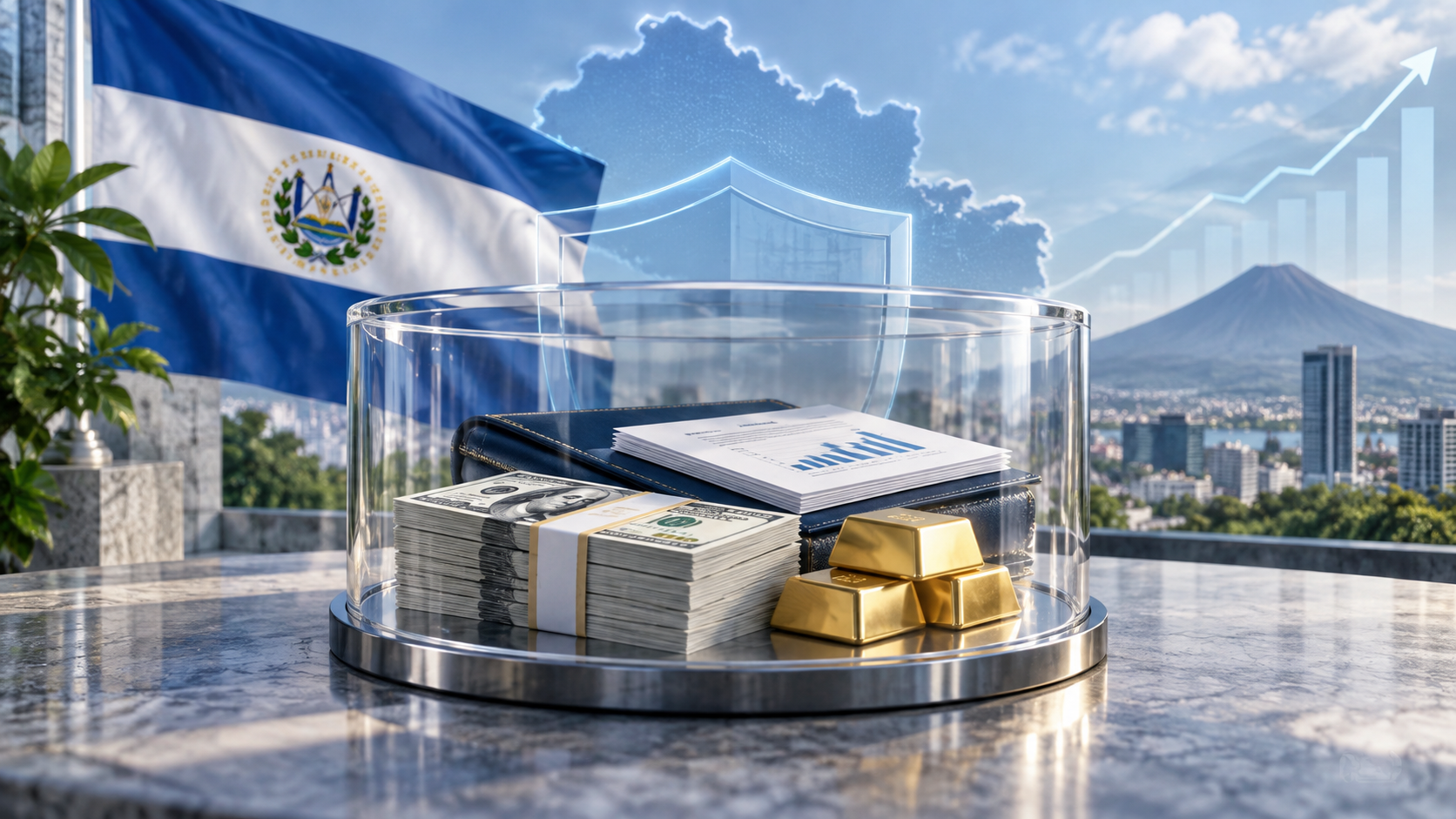
    El Salvador’s net international reserves reached approximately $5.14 billion at the end of August 2026, giving the country a larger financial cushion against economic emergencies and disruptions.

    This is encouraging news for El Salvador. However, the figures deserve a closer examination because the increase does not mean that the government suddenly accumulated more than $5 billion that it can spend. International reserves serve a specific purpose, and some of the money belongs to or supports the country’s banking system.

    There is also some confusion over the percentage reported in the original newspaper article.

    Correcting the Percentage

    Diario El Salvador reported that the country’s international reserves grew by 15.2% in August. However, the figures included in the article do not produce that percentage.

    According to the report, net international reserves increased from approximately $4.36 billion in August 2025 to $5.14 billion in August 2026. That represents a year-over-year increase of about 18%, or approximately $783 million.

    Other published figures show that the reserves stood at approximately $4.48 billion at the end of December 2025. Compared with the August 2026 total, that represents an increase of approximately $658 million, or 14.7%, during the first eight months of this year.

    The increase from July to August was much smaller. Reserves rose by approximately $44.6 million during the month, an increase of about 0.9%.

    Regardless of which comparison is used, the important point is that El Salvador’s reserves have grown substantially over the past year and have remained above $5 billion since April.

    They reached approximately $5.17 billion in June, declined slightly in July and recovered to $5.14 billion in August. This suggests that the higher level has been reasonably stable rather than resulting from one temporary monthly increase.

    What Are International Reserves?

    International reserves are foreign assets controlled by a country’s monetary authorities and available when needed.

    They can include foreign currency, deposits, financial securities, monetary gold, Special Drawing Rights from the International Monetary Fund and other reserve assets.

    In practical terms, they serve as a country’s emergency financial cushion. They can help a nation meet international payment obligations, respond to financial disruptions and maintain confidence in its banking system.

    Strong reserves are particularly important for El Salvador because the country uses the U.S. dollar. El Salvador cannot simply create additional dollars if the financial system experiences a shortage. It must earn, borrow or otherwise attract dollars into the economy.

    A healthy supply of liquid international assets can therefore help protect the country when it faces an economic shock, a decline in remittances, weaker exports or sudden pressure on the banking system.

    Where Did the Increase Come From?

    The growth in reserves is positive, but it should not be described simply as additional government savings.

    Part of the increase appears to be connected to stronger liquidity requirements for Salvadoran banks.

    Under El Salvador’s agreement with the International Monetary Fund, banks have been required to hold larger liquid reserves at the Central Reserve Bank. These requirements are intended to strengthen the financial system and ensure banks have enough readily available resources to respond to withdrawals or other emergencies.

    The IMF has explained that the reserve deposits of Salvadoran commercial banks at the Central Reserve Bank are one of the principal sources supporting the country’s gross international reserves.

    In other words, some of the growth occurred because banks are holding more liquid assets at the Central Reserve Bank. This is beneficial for financial stability, but the money cannot be treated as unrestricted government funds.

    International financing has also contributed.

    In February 2025, the IMF approved a 40-month, $1.4 billion financing program for El Salvador. One of the program’s objectives is to rebuild the country’s external and financial reserves.

    The entire $1.4 billion was not delivered at once. The money is being made available in stages, depending on El Salvador’s compliance with the conditions and financial targets established under the agreement.

    As of early September 2026, approximately $231 million had been disbursed. The IMF and Salvadoran authorities recently reached a staff-level agreement that could allow another $140 million to be released, subject to approval by the IMF Executive Board.

    The IMF reported that El Salvador had exceeded its reserve and liquidity targets. It also said economic activity had performed better than expected, supported by investment, private consumption, remittances, tourism and capital inflows.

    Growth in bank deposits and strong remittance flows may also be supporting the higher reserve total.

    Gold Contributed to the Increase

    Reports based on Central Reserve Bank figures indicate that the value of El Salvador’s gold reserves increased during 2026.

    Some reports place their value at approximately $307.5 million in August, compared with $250.3 million at the end of December 2025. That would represent an increase of approximately 22.9%.

    However, a rise in the value of the country’s gold reserves does not necessarily mean that El Salvador purchased that amount of additional gold. Gold is valued according to international market prices, so part of the increase could result from changes in the price of the metal.

    Published reports also contain different figures for the value of the country’s gold holdings. That is another reason the composition of the reserves should be explained more clearly.

    A Positive Development—but Questions Remain

    Surpassing $5.1 billion in international reserves is a positive development for El Salvador. It strengthens the country’s financial protection and may improve confidence among banks, international lenders and potential investors.

    It may also support El Salvador’s effort to improve its international credit standing. A country with stronger reserves is generally viewed as being better prepared to meet its foreign obligations and withstand economic problems.

    However, the total dollar amount does not tell the entire story.

    To understand the country’s true financial position, we also need to know how much of the increase came from loans, how much came from bank liquidity requirements and how much resulted from remittances, exports, investment or higher asset values.

    We should also ask how many months of imports the reserves could cover and how they compare with El Salvador’s upcoming foreign-debt payments.

    Borrowed money can strengthen reserves and provide valuable financial protection, but loans must eventually be repaid. Long-term financial strength will depend on El Salvador generating more dollars through exports, tourism, foreign investment, productive businesses and sustainable economic growth.

    My Perspective

    I consider this encouraging news for El Salvador.

    The country has increased its financial cushion, remained above $5 billion in reserves for several consecutive months and exceeded targets established under the IMF program. These achievements can help protect the banking system and strengthen confidence in the Salvadoran economy.

    At the same time, we should be careful not to describe the reserves as money available for ordinary government spending. A substantial portion has specific financial purposes, and some of the growth is connected to banking requirements and international financing.

    The real test will be whether El Salvador can maintain and continue building its reserves through productive economic activity rather than depending heavily on borrowed money.

    Economic progress should be recognized when it occurs, but the public also deserves a clear explanation of what the numbers mean, where the money came from and whether the improvement can be sustained.

    For now, reaching $5.14 billion represents another positive sign for El Salvador’s economy—one that deserves recognition, along with careful and transparent analysis.

    If you enjoy reading about El Salvador’s development, economy, tourism, culture, environment, and continuing transformation, please consider liking and sharing this article. Your comments help start conversations, and subscribing ensures you never miss a new post. Every interaction helps our blog reach more readers and lets us keep sharing stories about life in El Salvador.

  • El Salvador Expands High-Value Cacao Production Across 600 Manzanas

    Salvadoran farmers establish young cacao trees as part of a productive reforestation effort intended to create rural opportunities and expand high-value cacao production.

    AI Image Generated for Our Life in El Salvador

    El Salvador is investing more than $7 million in a national program designed to increase cacao production, restore rural land, and create new economic opportunities for farming families.

    According to Diario El Salvador, the Ministry of Local Development is leading the Productive Reforestation with High-Value Cacao Program. The initiative plans to establish cacao-based agroforestry systems across 600 manzanas of land in several parts of the country.

    For English-speaking readers, the Spanish word manzana refers to a measurement of land—not the apple fruit. Six hundred manzanas represent approximately 419 hectares or 1,035 acres.

    The project could become an important part of El Salvador’s agricultural development. However, its greatest opportunity may extend beyond simply planting cacao trees. If properly supported, it could help the country build a larger industry based on Salvadoran cacao, chocolate, and other finished products.

    Supporting 320 Cacao Producers

    The program currently involves approximately 320 producers who own the land where the cacao trees are being planted.

    This is an important part of the initiative because it allows farming families to participate directly in the project. The producers are not simply working on a government-owned plantation. They are developing crops on their own property with technical support from participating institutions.

    The program is operating in 14 prioritized districts and surrounding communities in Chalatenango, Morazán, and San Miguel.

    An initial distribution of 17,000 cacao trees was directed toward communities in Morazán and Chalatenango. The trees are being planted in irrigated plots under the supervision of specialists who can help farmers establish and manage their crops.

    Technical assistance will be essential because cacao requires careful attention to soil conditions, shade, water, disease prevention, pruning, harvesting, fermentation, and drying. Producing premium cacao requires much more than placing young trees in the ground.

    The Ministry of Local Development is coordinating the project with the Ministry of Environment, the National Center for Agricultural and Forestry Technology, commonly known as CENTA, and local governments.

    Combining Agriculture With Reforestation

    One of the most encouraging parts of the program is its use of agroforestry.

    Cacao normally grows best with some shade. Farmers can plant it among taller trees and other crops rather than clearing the land for a single-crop plantation. When managed correctly, this system can protect the soil, retain moisture, provide wildlife habitat, and increase tree cover.

    Agroforestry can also give farmers more than one source of income. Depending on how the farms are designed, producers may be able to grow fruit, timber, plantains, or other useful crops alongside cacao.

    This type of agricultural diversification can make rural families less dependent on a single harvest. It may also provide additional protection when weather, disease, or changing market prices affect one particular crop.

    The environmental and agricultural goals of the program therefore support one another. The land can be reforested while remaining productive and capable of generating income for the people who own and care for it.

    Opportunities for Women and Young People

    The government estimates that the program could generate more than 8,000 jobs during its implementation, with particular attention given to employment opportunities for women and young people.

    This could be significant for rural communities where dependable employment is often limited. Agriculture should offer more than temporary manual labor. It can also create opportunities in farm management, nursery operations, quality control, transportation, packaging, marketing, chocolate production, and the development of new businesses.

    The projected number of jobs is impressive, although additional details would help the public understand its full meaning. It is unclear how many positions will be permanent, how many will be seasonal, and how many will be temporary jobs connected to planting and establishing the new farms.

    The strongest long-term results would come from creating an entire cacao economy rather than employment limited to the project’s early stages.

    Cacao Can Become Much More Than a Raw Crop

    Cacao has considerable economic potential because value can be added at several points between the farm and the customer.

    Farmers can sell properly fermented and dried cacao beans. Salvadoran businesses can then turn those beans into chocolate, cocoa powder, beverages, cosmetics, candies, baked goods, and specialty products.

    This is where El Salvador could create the greatest economic benefit.

    Exporting raw cacao can bring income into the country, but processing it locally can create more jobs and allow a larger portion of the final value to remain in Salvadoran communities.

    High-quality Salvadoran chocolate could also become part of the country’s growing tourism economy. Hotels, restaurants, cafés, gift shops, airports, and tourism destinations could offer locally produced chocolate and cacao products to visitors.

    Travelers increasingly look for products connected to the culture and agriculture of the places they visit. Salvadoran cacao could become another product representing the country internationally, alongside coffee, handicrafts, rum, and other national goods.

    Producers Will Need Long-Term Support

    The project is promising, but cacao is not a crop that produces immediate financial returns. Newly planted trees require several years before they begin providing a meaningful harvest.

    Farmers will need continued assistance during that period. Technical training, irrigation, disease management, access to supplies, and possibly financial support will be important while the trees mature.

    Reliable buyers will also be necessary. Producers need to know that a dependable market will exist when their cacao is ready for sale.

    Several practical questions should be followed as the program develops:

    Successful cacao production will require access to nearby fermentation and drying facilities. Cooperatives or producer associations could also help farmers negotiate fair prices and reach dependable buyers. Partnerships with Salvadoran processing companies would keep more of the crop’s value inside the country, while technical assistance could help producers meet the quality standards required by international markets.


    It will also be important to monitor how many trees survive, how much cacao the farms eventually produce, and how much participating families earn from the program.

    These questions are not reasons to oppose the initiative. They represent the next steps required to turn an ambitious planting program into a successful and sustainable industry.

    Measuring the Program’s Real Results

    The number of trees distributed and the amount of land planted are useful early measurements, but they cannot tell the entire story.

    The program’s lasting success should eventually be measured by:

    • The survival and productivity of the cacao trees
    • The quality of the harvested beans
    • The income earned by participating farmers
    • The number of permanent jobs created
    • The participation of women and young people
    • The amount of land restored through agroforestry
    • The growth of Salvadoran cacao-processing businesses
    • The development of local and international markets

    These results will require several years to evaluate. Agriculture does not change overnight, and a cacao tree cannot be rushed into production.

    That makes consistent support and long-term planning especially important.

    Building a Salvadoran Cacao Industry

    In my opinion, this is one of El Salvador’s more interesting agricultural initiatives because it connects rural development with environmental restoration and higher-value production.

    The investment could help farming families diversify their crops, improve degraded land, and participate in a growing market. It could also create new opportunities for Salvadoran entrepreneurs who want to produce chocolate and other cacao-based products.

    The real objective should not be limited to cultivating 600 manzanas of cacao. El Salvador should work toward building a complete national cacao industry—from nurseries and farms to fermentation, processing, packaging, marketing, tourism, and exports.

    If the program continues providing technical assistance and helps farmers connect with dependable buyers and processors, these young trees could eventually produce much more than cacao. They could generate stable rural employment, support family businesses, restore the environment, and create another high-quality Salvadoran product for the world.

    If you enjoy reading about El Salvador’s agriculture, economy, environment, and continuing development, please consider liking this post, sharing your thoughts in the comments, and subscribing to our blog. Your participation helps more readers discover our stories and supports the continued growth of Our Life in El Salvador.

  • El Salvador Welcomes More Than 3.2 Million International Visitors in 2026

    International visitors discover El Salvador through its beautiful coastline, welcoming people, and colorful artisan traditions.

    AI Generated image for Our Life in El Salvador

    El Salvador welcomed more than 3.2 million international visitors during the first eight months of 2026, providing further evidence of the country’s growing popularity as an international destination.

    According to Diario El Salvador, the country received 3,241,583 international visitors between January and August. That represents an increase of 22% compared with the same period in 2025.

    The figures place El Salvador within reach of its goal of welcoming approximately 4.2 million international visitors by the end of 2026.

    These numbers are impressive for a country of El Salvador’s size. They also demonstrate how dramatically international attitudes toward the country have changed in only a few years.

    Where Are the Visitors Coming From?

    Guatemala remained the largest source of international visitors, with more than 1.3 million arrivals. The United States followed with more than 881,000, while Honduras accounted for over 626,000 visitors.

    El Salvador’s location naturally makes neighboring Guatemala and Honduras important markets. Families frequently cross the borders to visit relatives, attend events, shop, conduct business, and enjoy short vacations.

    Visitors from the United States are also an important part of the tourism economy. Some are Salvadorans living abroad who return to visit family. However, many combine those family visits with trips to beaches, historic communities, archaeological sites, restaurants, and other attractions.

    The distinction between an “international visitor” and a “tourist” can become complicated. Official reports generally use the broader term because not everyone enters the country exclusively for a vacation. Some come to see relatives, conduct business, or travel through the country.

    However, that does not mean they contribute nothing to tourism. A person may enter El Salvador primarily to visit family but still stay in a hotel, eat at restaurants, visit the beach, buy crafts, or take sightseeing trips. In practical terms, many international visitors participate in tourism even when tourism is not the only reason for their trip.

    What We See in Our Own Lives

    Our personal experience supports the idea that many international visitors are actively exploring El Salvador.

    Elizabeth and I have had visitors come from the United States and Canada. They may come to spend time with us, but they do not simply remain at our home throughout their stay. They want to visit the beaches, see different parts of the country, enjoy Salvadoran food, and experience local attractions.

    This is probably true for many Salvadoran families welcoming relatives or friends from abroad. The visit begins with a personal connection, but it often becomes a vacation and an opportunity to discover the country.

    We saw further evidence of El Salvador’s international reach during our recent trip to La Palma near the Honduran border.

    While there, we visited Artesanías Paty, where we had a very enjoyable experience learning about the area’s colorful artistic tradition. The owner showed us crafts made in her studio by visitors from many parts of the world.

    Those visitors had come from Japan, Turkey, Europe, the United States, and numerous other countries. They did more than pass through El Salvador. They visited a local studio, learned about Salvadoran art, created something with their own hands, and became part of a cultural experience they could take home with them.

    A small artisan workshop in La Palma welcoming people from countries around the world tells us something that national totals alone cannot show. International tourism is reaching communities beyond the capital and the major beach destinations.

    Why El Salvador Is Attracting More Attention

    Improved public security has played an important role in changing El Salvador’s international reputation. Places once avoided by foreign travelers are now receiving visitors who feel comfortable exploring the country.

    At the same time, El Salvador has invested heavily in promoting its beaches, surfing, historic centers, national parks, cultural attractions, and infrastructure.

    Surf City remains one of the country’s most internationally recognized tourism projects. Major surfing competitions have introduced El Salvador’s coastline to athletes and spectators around the world.

    However, the country offers much more than surfing.

    Visitors can walk through the revitalized Historic Center of San Salvador, explore Maya sites such as Tazumal and Joya de Cerén, experience the mountain communities along the Ruta de las Flores, visit La Palma’s artisan workshops, hike through national parks, and enjoy food prepared in communities throughout the country.

    El Salvador’s relatively small size is also an advantage. A visitor can experience beaches, mountains, archaeological sites, cities, and rural communities without traveling enormous distances.

    Tourism Benefits Small Businesses

    The growth in international visitors can create opportunities throughout the economy.

    Hotels and large tourism developments receive some of the benefits, but visitors also spend money at family-owned restaurants, roadside businesses, artisan workshops, transportation companies, markets, and small hotels.

    Our visit to Artesanías Paty is a good example. When international travelers participate in a workshop or purchase locally made crafts, their money supports Salvadoran artists and helps preserve the traditions of communities such as La Palma.

    These personal interactions may also be more memorable than visiting a large commercial attraction. A handcrafted item carries a story about the person who made it and the community where it originated.

    When visitors return home and show those crafts to friends and family, they also help promote El Salvador.

    Growth Should Reach the Entire Country

    The challenge will be ensuring that tourism’s benefits extend beyond the most heavily promoted destinations.

    Surf City and San Salvador receive considerable international attention, but communities across Ahuachapán, Chalatenango, Morazán, La Unión, and other departments also have natural beauty, history, food, and cultural traditions worth discovering.

    Promoting these destinations could encourage visitors to stay longer and spend money in more communities. Improvements to roads, signs, public transportation, visitor information, and online promotion would make less familiar locations easier to explore.

    Tourism growth should create opportunities for local guides, artisans, farmers, restaurant owners, and families operating small accommodations. That is how rising visitor numbers can produce meaningful benefits for ordinary Salvadorans.

    More Than a Number

    Reaching 3.2 million international visitors is an important achievement, but the larger story is found in what those visitors do after they arrive.

    They walk along the beaches, visit historic sites, eat pupusas, explore mountain communities, buy Salvadoran crafts, and meet the people who call this country home.

    Some may enter El Salvador to visit relatives or conduct business rather than identifying themselves strictly as tourists. Nevertheless, many use that opportunity to travel, sightsee, and spend money within the local economy.

    We have witnessed this ourselves with visitors from the United States and Canada. We also saw it at a small artisan studio in La Palma, where crafts created by people from Japan, Turkey, Europe, the United States, and other parts of the world demonstrated just how far El Salvador’s appeal now reaches.

    Statistics tell us how many people crossed the border. Experiences like these help explain why they came—and what they discovered after arriving.

    El Salvador’s tourism story is no longer limited to projections or promotional campaigns. It can be seen in the people enjoying the beaches, walking through historic communities, visiting local studios, and discovering a country many of them may never have considered visiting a few years ago.

    If you enjoy stories about El Salvador’s tourism, culture, economy, and continuing transformation, please consider liking, commenting, sharing, or subscribing. Your support helps more readers discover what is happening throughout the country.

  • $37 Million for El Salvador’s Agromarkets: Supporting Farmers and Helping Families

    Salvadoran agromarkets can help families obtain affordable fresh food while providing local farmers with dependable places to sell their products.

    Image generated for Our Life in El Salvador

    The Legislative Assembly of El Salvador will study a proposal to reinforce the country’s agricultural market program with an additional $37 million.

    According to Diario El Salvador, the government wants to strengthen the agromarkets financially so they can continue selling agricultural products to the public at affordable prices. The program has become an important part of the government’s effort to reduce food costs and improve access to basic products.

    At first glance, this appears to be a worthwhile investment. Food prices affect every Salvadoran family, but they are particularly important for households surviving on limited incomes.

    However, $37 million is a substantial amount of public money. The proposal should therefore be accompanied by clear information explaining where the money will go, how it will help Salvadoran farmers, and how its results will be measured.

    Bringing Farmers and Consumers Closer Together

    One of the potential advantages of an agromarket is that it can reduce the distance between the farmer and the consumer.

    Agricultural products often pass through several intermediaries before reaching a neighborhood store or supermarket. Each step adds transportation, storage, handling, and profit costs to the final price.

    When farmers can sell through a more direct system, consumers may pay less while producers receive a fairer return for their work.

    That is the ideal situation: families save money without requiring farmers to accept prices that make it impossible for them to continue producing.

    Agromarkets can also provide farmers with dependable places to sell their crops. This may reduce waste, especially when producers harvest vegetables and fruits that must be sold quickly.

    Affordable Food Is Important to Salvadoran Families

    The cost of beans, corn, rice, vegetables, eggs, dairy products, and other necessities has a direct effect on the household budget.

    Even a small difference in price can matter to a family purchasing food every week. If the agromarkets can consistently offer fresh products below regular retail prices, they could provide meaningful relief.

    However, affordability should not depend on a temporary government subsidy alone. The program should eventually help strengthen the entire agricultural system.

    That includes supporting Salvadoran production, improving transportation and storage, reducing crop losses, and helping farmers respond to changing weather conditions. It should also help the country become less dependent on imported food whenever domestic production is possible.

    Will Salvadoran Farmers Receive the Benefits?

    This is one of the most important questions surrounding the proposal.

    The additional funding should not only make products cheaper for consumers. It should also create opportunities for small and medium-sized Salvadoran farmers.

    Many small producers do not have their own transportation, refrigerated storage, or direct access to large markets. They may have little choice but to sell their crops to an intermediary at a low price.

    The agromarkets could help change that situation if the government establishes a fair and accessible purchasing system.

    Farmers should know how they can participate, what quality standards they must meet, how prices are established, and when they will be paid. These opportunities should not be limited to a few large suppliers or companies.

    It will also be important to know what percentage of the food sold in the agromarkets is grown in El Salvador. Selling affordable imported products may help consumers temporarily, but it does not necessarily strengthen Salvadoran agriculture.

    Rural Communities Should Not Be Forgotten

    The program should also reach communities outside the major cities.

    Families living in rural areas often face the same high food prices, along with limited transportation and fewer shopping choices. Some must travel considerable distances to reach a supermarket or established agromarket.

    Here in Cara Sucia, we already have a very good government agromarket, where Elizabeth and I shop regularly. I have also seen these markets while traveling through other parts of Ahuachapán. From my experience, the program is reaching communities outside the major cities. Additional funding could help existing agromarkets maintain their supplies, improve their services, and continue offering affordable products to local families.

    The government could also publish the location, operating schedule, and available products for every agromarket. That information would make the program easier for families to use.

    More Details Are Needed

    The Diario El Salvador article explains the general purpose of the proposed $37 million reinforcement, but it leaves several important questions unanswered.

    How much of the funding will be used to purchase agricultural products? How much will be spent on transportation, storage, buildings, equipment, employees, and administration?

    Will the money open additional markets, or will it primarily support existing locations? How many Salvadoran farmers currently supply the program? What safeguards will prevent waste, favoritism, or unnecessary administrative costs?

    There is also a need to clarify the history of this allocation. Earlier reporting in 2026 referred to a $37 million budget reinforcement connected with the operation of 61 agromarkets. Officials should explain whether the current proposal is that same allocation moving through another legislative stage, a revised proposal, or a separate request for additional funding.

    That distinction is important because the public deserves to understand exactly how much money has been approved and spent.

    Transparency Will Build Public Confidence

    The government could strengthen public confidence by regularly publishing information about the program.

    This should include operating expenses, participating farmers, suppliers, purchasing prices, products sold, total sales, and estimated consumer savings.

    The government should also compare agromarket prices with prices at supermarkets, municipal markets, and neighborhood stores. This would show whether the program is delivering the savings it promises.

    Transparency is not an attack on a public program. It is one way to protect a worthwhile program and ensure that the money reaches the people it was intended to help.

    A Promising Investment—If Managed Properly

    I believe the agromarkets have the potential to benefit El Salvador.

    Families need affordable food, and farmers need reliable buyers who will pay fair prices. A well-managed program could help both sides while supporting local production and strengthening food security.

    However, the success of this proposal should not be measured by the amount of money approved. It should be measured by its results.

    The results should show whether families are paying less for fresh food and Salvadoran farmers are earning more. They should also reveal whether small producers have greater opportunities to participate and rural communities are receiving better access to affordable products. Is more food being grown here in El Salvador?

    If the additional $37 million produces clear and measurable progress in these areas, it could be a valuable investment in the country’s future.

    The proposal deserves serious consideration, but it also deserves careful oversight. Salvadorans should be able to see where the money goes and how it improves the lives of both farmers and consumers.

    What do you think about the proposed $37 million reinforcement for El Salvador’s agromarkets? Have you visited one of these markets, and did you find that its prices were lower? Please share your experience in the comments.

    If you enjoy our stories and commentary about El Salvador’s economy, agriculture, development, culture, and continuing transformation, please consider liking and sharing this article or subscribing to Our Life in El Salvador. Your support helps more readers discover our work.

  • Small Salvadoran Businesses Are Reaching Customers Around the World

    Salvadoran micro and small businesses are taking locally made products, traditions, and creativity into international markets.

     AI-generated image created for Our Life in El Salvador.

    El Salvador’s micro and small businesses may be small in size, but their products are beginning to reach far beyond the country’s borders.

    According to Diario El Salvador, the National Commission for Micro and Small Enterprises, known as CONAMYPE, expects these businesses to export approximately $3.5 million in products during 2026.

    The products include honey, clothing, handicrafts, prepared foods, and other traditional Salvadoran goods. Many are considered nostalgic products because they remind Salvadorans living abroad of the country they left behind.

    For someone living in the United States, Canada, or Europe, finding a familiar Salvadoran food or handmade product can provide a comforting connection to home. At the same time, every purchase creates an opportunity for a small producer or family business here in El Salvador.

    More Than an Export Number

    At first glance, $3.5 million may not sound like an enormous amount when compared with the exports of large companies. However, that is not the most important part of this story.

    For a small business, even one reliable international buyer can make a meaningful difference. Exporting can increase sales, support local employment, and provide income for families and communities.

    It can also help a small producer grow into a more established company.

    CONAMYPE reports that approximately 60,000 micro and small enterprises are registered in El Salvador. The organization says that an important percentage of them already sell products outside the country.

    Unfortunately, the article does not tell us exactly how many are currently exporting. It also does not compare the projected $3.5 million with the amount exported during 2025.

    Those figures would help us better understand how quickly this part of the economy is growing.

    Still, the effort to help small Salvadoran businesses enter international markets is encouraging.

    Connecting Producers With International Buyers

    One of the greatest challenges facing small businesses is not always making the product. The difficulty often comes with finding buyers and getting the product into another country.

    A small producer may make excellent honey, chocolate, coffee, clothing, or handicrafts. However, exporting involves much more than placing the product in a box and shipping it overseas.

    Businesses must understand customs regulations, packaging requirements, health permits, taxes, shipping expenses, and international documentation. They must also find distributors that can place their products in stores and connect them with customers.

    CONAMYPE is helping Salvadoran businesses overcome some of these obstacles.

    The organization currently works with 14 commercial distribution companies in different countries. Four more are expected to join the network before the end of 2026.

    These companies help connect Salvadoran producers with markets in the United States, Canada, Europe, and other parts of the world.

    This distribution network could become one of the most valuable parts of the program. A small business may not have the money or experience to open its own operation in another country. Working through an established distributor gives it a more realistic path into the international market.

    Teaching Businesses How to Export Successfully

    The government is also providing training through CONAMYPE and the Special Fund of Resources from the Privatization of ANTEL, known as FANTEL.

    The third edition of the forum International Trade in Action: Exporting and Importing Successfully was recently held in San Salvador.

    The event provided information about customs regulations, tariff classifications, documentation, access to markets, and other parts of international trade.

    It was designed for businesses already involved in exporting, those preparing to export for the first time, and companies hoping to improve their existing international operations.

    This kind of practical assistance is important. Encouraging entrepreneurs is good, but encouragement alone is not enough. Small-business owners also need clear information, dependable contacts, and guidance through complicated government and international requirements.

    An earlier Exporta SV forum in San Miguel attracted more than 125 micro and small businesses. They represented industries such as food, beverages, clothing, footwear, handicrafts, technology, and agricultural production.

    Holding these programs outside San Salvador is especially valuable. Business opportunities should not be limited to the capital. Producers in the eastern and western parts of the country also need access to training and international markets.

    Salvadoran Identity Has International Value

    Traditional Salvadoran products have something that cannot easily be copied: a connection to the country’s culture and identity.

    A package of coffee, a handmade item, a traditional sweet, or a familiar food can carry a story with it. These products represent Salvadoran skills, traditions, ingredients, and family recipes.

    The large Salvadoran community living outside the country creates a natural market for them. Many Salvadorans abroad want the foods and products they remember from their childhood.

    However, the possibilities should not end with the Salvadoran community.

    Quality Salvadoran products can also attract customers who have never visited the country. Coffee, chocolate, honey, handmade textiles, natural products, and traditional foods can compete in specialty markets when they are presented and marketed properly.

    This is where packaging, quality control, consistency, and good business planning become especially important.

    The Questions That Still Need Answers

    The export projection is positive, but several questions remain.

    The article does not say how much these businesses exported last year. It also leaves us wondering how many companies will contribute to the projected $3.5 million. Another important question is how much money producers will keep after paying shipping, distribution, and other expenses.

    It would also be useful to know whether these businesses are receiving occasional orders or developing lasting relationships with international buyers.

    Reaching the $3.5 million target would be welcome news. However, the real measure of success will be whether small businesses can continue exporting year after year.

    CONAMYPE reports that its work over the past seven years has contributed to more than $38.5 million in increased exports. It also reports more than $184 million in increased business sales and the creation of thousands of jobs.

    Those figures suggest that the support being offered can produce meaningful results.

    Opening Doors for Salvadoran Entrepreneurs

    El Salvador’s economic growth cannot depend only on large companies and foreign investment. Micro and small businesses also have an important role to play.

    They provide employment, support families, preserve traditions, and keep money circulating within local communities.

    Helping them reach international markets gives them another opportunity to grow. It also allows people around the world to discover products made by Salvadoran hands.

    The $3.5 million export projection is a good beginning, but it should be viewed as one step in a much longer journey.

    If these businesses receive continued training, dependable access to distributors, and help meeting international requirements, their exports could grow considerably in the coming years.

    El Salvador’s small businesses are not merely selling products. They are carrying Salvadoran flavors, craftsmanship, traditions, and identity into international markets.

    That is something worth encouraging—and watching closely.

    If you enjoy following El Salvador’s development, economy, culture, tourism, and continuing transformation, please consider liking, commenting, and sharing this article. You can also subscribe to help support Our Life in El Salvador and receive future stories.

  • From Salvadoran Beaches and Art to the World: Mizata Vodka and Ron de Autor Earn International Recognition

    AI-generated image created for Our Life in El Salvador, representing Mizata Vodka and Ron de Autor as premium Salvadoran spirits inspired by the country’s coast, art, and cultural identity.

    El Salvador is becoming known internationally for more than coffee, tourism, surfing, and traditional foods. Two premium spirits made in the country are now gaining attention abroad.

    Vodka Mizata and Ron de Autor were developed and produced in El Salvador by Distribuidora Salvadoreña (DISAL), with support from its production plant, Inversiones Montecarlo.

    Both brands recently received medals at the San Francisco World Spirits Competition 2026. Vodka Mizata earned a Double Gold Medal, while Ron de Autor received a Silver Medal.

    The results are important because the competition uses blind tastings. International judges evaluate the spirits without knowing the brand or seeing the bottle. This allows them to concentrate on the aroma, taste, balance, and overall quality of each product.

    For El Salvador, these awards offer another example of how locally made products can compete in demanding international markets.

    Two Products With Salvadoran Identities

    Although the two spirits come from the same Salvadoran company, they tell very different stories.

    Vodka Mizata draws its identity from the Salvadoran coast. Ron de Autor connects its character to the country’s art, traditional flavors, and cultural heritage.

    Both products were created for the super-premium market. This means they must compete with established international brands known for careful production, distinctive packaging, and strong marketing.

    Rather than hiding their Salvadoran origins, the brands have made those origins central to their identities.

    Mizata Captures the Spirit of the Coast

    Vodka Mizata takes its name and inspiration from Mizata Beach, located along the Pacific coast in the municipality of Teotepeque.

    The brand was developed around the idea of finding the “perfect wave.” Its image combines the energy of the ocean with the peace and beauty of El Salvador’s coastline.

    According to DISAL, Mizata is made through a multistage filtration process using steel and copper columns. The company says this process helps produce the smooth character expected from a super-premium vodka.

    Its bottle also carries a coastal theme. A screen-printed design represents a wave, while the presentation includes a metallic cork and other luxury details.

    Mizata was originally launched in a limited edition of 15,000 bottles. It was also named the official vodka of Surf City El Salvador and helped sponsor the 2025 ISA World Surfing Games at El Sunzal and La Bocana. That competition brought together more than 500 athletes from over 60 countries.

    The connection between the brand and Surf City is easy to understand. Both promote an image of modern El Salvador built around its beaches, natural beauty, and growing place in international surfing.

    The vodka has also been presented to distributors and representatives of the hospitality industry in the Netherlands. That event was part of an effort to create commercial opportunities for the Salvadoran product in Europe. More recently, Mizata and other Salvadoran spirits have been promoted in the United States and South Korea.

    Its Double Gold Medal now gives the company a strong credential as it seeks additional international markets.

    Ron de Autor Combines Flavor and Salvadoran Art

    Ron de Autor tells a different Salvadoran story.

    The super-premium rum was inspired by Fernando Llort, one of El Salvador’s most recognized artists. Llort became closely associated with La Palma and helped turn the community’s colorful artistic style into a symbol of Salvadoran culture.

    The bottle features Llort’s work Sol y Perfil. The piece contains familiar elements from his artistic world, including the sun, nature, homes, community life, and the human figure.

    The design is more than decoration. It helps connect the rum with the artist’s vision of Salvadoran identity.

    Even the bottle’s luxury stopper includes a texture inspired by the skin of the armadillo, locally known as a cusuco. This animal often appeared in Llort’s artwork.

    Ron de Autor was produced with the support of the Fernando Llort Foundation. Its first release consists of 15,000 individually numbered bottles.

    Familiar Flavors in a Premium Rum

    Ron de Autor also draws inspiration from flavors familiar to Salvadoran families.

    After aging, the rum rests in a mixture containing selected ingredients and spices. These include vanilla, plum, raisins, and cinnamon.

    The combination produces notes of wood, vanilla, cherry, cinnamon, honey, and dried fruit. According to descriptions of the product, it has a light amber color, a smooth opening, and a long but subtle finish.

    Some of these flavors appear in traditional Salvadoran desserts, including torrejas. That connection gives the product a sense of familiarity, even though it was created for the luxury market.

    The company describes the rum through the phrase “A Taste of Art.” The idea is to bring together Salvadoran art, flavor, craftsmanship, and identity in a single product.

    Its Silver Medal at the San Francisco competition provides international recognition for that effort.

    More Than Two Medals

    The awards are clearly good news for DISAL, but their meaning goes beyond two brands.

    El Salvador has often exported raw materials or traditional agricultural products. Premium manufactured goods can create more value because the design, processing, packaging, marketing, and brand identity all originate in the country.

    Products such as Mizata and Ron de Autor can also support El Salvador’s national image. A bottle inspired by the Pacific coast may encourage someone to learn about Mizata Beach. Artwork by Fernando Llort can introduce international consumers to La Palma and the country’s artistic traditions.

    This connection between products and national identity is already familiar in other parts of the world. Certain wines, whiskies, rums, cheeses, and coffees have become strongly associated with the countries and regions that produce them.

    El Salvador has an opportunity to do something similar with products that have a genuine connection to its culture and natural landscape.

    International Recognition Must Lead to Opportunity

    Winning medals is an important beginning, but international recognition does not automatically create lasting success.

    The next challenge will be securing distribution, building consumer confidence, maintaining quality, and competing against global companies with much larger marketing budgets.

    Price will also matter. Super-premium products appeal to a limited market, especially inside El Salvador. International sales may therefore become essential to the long-term growth of these brands.

    However, DISAL already has decades of experience in the beverage industry. Inversiones Montecarlo also operates with internationally certified processes, according to the company. That production background gives the brands a foundation for further expansion.

    A Modern Expression of El Salvador

    Vodka Mizata and Ron de Autor represent two sides of the country.

    One looks toward the ocean, surfing, and the growing international appeal of the Salvadoran coast. The other looks toward art, community, traditional flavors, and the cultural legacy of Fernando Llort.

    Together, they present a more complete image of modern El Salvador. It is a country that values its traditions while developing products designed for today’s international markets.

    The Double Gold and Silver medals do not guarantee that these brands will become global successes. They do, however, show that Salvadoran products can earn recognition when judged alongside spirits from other countries.

    For a small nation seeking to expand and diversify its exports, that is an achievement worth recognizing.

    This post was based on reporting by Diario El Salvador and additional information from DISAL, La Prensa Gráfica, and El Economista.