Category: Sports

  • From Ahuachapán to the World Stage: Two Salvadoran Beach Soccer Teams Head to Turkey

    October 22, 2026

    From Ahuachapán to the world stage! Barra de Santiago’s women’s team and Garita Palmera’s men’s team proudly represent El Salvador at the 2026 World Winners Cup in Alanya, Turkey, October 26–November 1. AI-generated illustration for Our Life in El Salvador.

    Two coastal communities in El Salvador’s Ahuachapán department are preparing to make their mark on the international sporting stage.

    The men’s beach soccer team from Garita Palmera and the women’s team from Barra de Santiago will represent El Salvador at the 2026 World Winners Cup in Alanya, Turkey, from October 26 through November 1.

    For these communities, this is more than another sporting event. It is an opportunity to demonstrate that determination, teamwork, and local talent can open doors to international recognition.

    It is also a proud moment for Ahuachapán, a department whose beautiful coastline is becoming known for more than its beaches and natural attractions.

    A World-Class Competition

    The 2026 World Winners Cup will bring together 48 beach soccer clubs from around the world, making it the largest edition in the tournament’s history.

    The competition includes 32 men’s teams and 16 women’s teams, with clubs representing 33 countries.

    Both Salvadoran teams earned their places by winning their respective national Beach Soccer League championships in 2025.

    Before departing for Turkey, the players received the Salvadoran national flag from René Martínez, president of the National Sports Institute of El Salvador (INDES).

    The ceremony recognized their accomplishments and the responsibility of representing El Salvador on the international stage.

    Barra de Santiago: A Team With International Experience

    The women’s team from Barra de Santiago enters the competition with an impressive international reputation.

    According to INDES, the club is ranked seventh in the women’s world club rankings, with 2,070 points.

    That accomplishment is particularly meaningful for a team representing a small coastal community in western El Salvador.

    Barra de Santiago has already demonstrated its ability to compete against international opponents. The team finished third at the 2022 World Winners Cup and continued building its reputation through subsequent competitions.

    In December 2025, the team secured third place at the Women’s Americas Winners Cup, defeating Colombia’s Cali BSC 2–1.

    During that same tournament, Barra de Santiago defeated Brazil’s Ceilândia Esporte Clube 5–4 in the quarterfinals.

    Interestingly, the Brazilian club will be one of its opponents again in Turkey.

    Barra de Santiago will compete in Group A against:

    • Ceilândia Esporte Clube — Brazil
    • Union Vrede BS — Belgium
    • Higicontrol Melilla — Spain

    The Salvadoran team has also strengthened its roster with national team players Yahaira Maravilla, Yaritza Durán, and Paola Calderón.

    With international experience and a competitive squad, Barra de Santiago has reasons to approach the tournament with confidence.

    Garita Palmera: A Historic First Appearance

    For Garita Palmera’s men’s team, the 2026 World Winners Cup represents an important milestone.

    This will be the club’s first appearance in the international tournament.

    Garita Palmera enters the competition ranked 49th in the men’s club rankings, according to the information released before the tournament.

    The team will compete in Group D against:

    • Union Vrede BS — Belgium
    • BSC Malaisary — Kazakhstan
    • Marseille BT — France

    To strengthen its chances, the club has added international players, including Costa Rican Lonis Calderón, Colombian goalkeeper Andrés Rivera, and Spanish player José Oliver.

    Facing established international clubs will be a significant challenge. However, it will also provide valuable experience for a team taking its first steps on this stage.

    Regardless of the final results, Garita Palmera’s qualification is already an achievement worth recognizing.

    Two Coastal Communities Representing a Nation

    What makes this story especially meaningful is where these teams come from.

    Barra de Santiago and Garita Palmera are coastal communities in Ahuachapán, in western El Salvador.

    They are places where the ocean, fishing traditions, family life, and community connections have shaped generations of Salvadorans.

    Now, athletes from these communities are traveling thousands of miles to represent their country against international competition.

    Their accomplishments demonstrate that sporting talent can develop far beyond the country’s largest cities.

    For young people growing up along El Salvador’s coastline, seeing athletes from their own communities compete internationally can be a powerful source of inspiration.

    It sends an important message: opportunities are not necessarily limited by where someone is born or raised.

    Beach Soccer and El Salvador’s Growing International Presence

    El Salvador has developed a strong reputation in beach soccer over the years.

    The country’s national teams and local clubs have shown that Salvadoran players can compete successfully against international opponents.

    Organized competitions, improved opportunities for athletes, and international participation are helping keep the sport visible.

    The involvement of INDES and cooperation with Beach Soccer Worldwide have also contributed to opportunities for Salvadoran clubs to participate abroad.

    These achievements deserve recognition because they represent another way El Salvador is making its presence felt internationally.

    While international surfing competitions have attracted considerable attention to El Salvador’s coastline, beach soccer is creating its own opportunities for recognition.

    Both sports demonstrate the importance of the country’s coastal communities and the people who call them home.

    When Will the Salvadoran Teams Play?

    The group stage of the World Winners Cup begins Monday, October 26, 2026.

    Both teams are scheduled to compete on October 26, 27, and 28, with the tournament finals taking place on November 1.

    Garita Palmera will face Union Vrede BS, BSC Malaisary, and Marseille BT.

    Barra de Santiago will compete against Ceilândia EC, Union Vrede BS, and Higicontrol Melilla.

    Fans can follow match schedules and tournament developments through the official Beach Soccer Worldwide website.

    A Proud Moment for Ahuachapán and El Salvador

    For those of us who live in Ahuachapán, this tournament carries special significance.

    We often hear about international sporting achievements involving athletes from larger cities. This time, two teams from our own coastal region are carrying El Salvador’s national colors onto the world stage.

    Their participation is a reminder that determination, discipline, and community support can help create opportunities that once seemed far beyond reach.

    Whether Barra de Santiago adds another international accomplishment to its record or Garita Palmera surprises its opponents in its first appearance, both teams have already given their communities something to celebrate.

    We wish these athletes, their coaches, and their supporters every success in Turkey.

    From the beaches of Ahuachapán to the international sands of Alanya, they will carry the pride of their communities and the hopes of El Salvador.


    Sources and Further Reading


    If you enjoy reading about El Salvador’s development, sporting achievements, tourism, and the people making a difference in our communities, explore more stories here at Our Life in El Salvador. Share this article with friends and family, and help us celebrate the accomplishments of Salvadorans at home and around the world.

  • Salvadoran Swimmers Shine as Oceanman 2026 Concludes at Lake Ilopango

    October 19, 2026

    Salvadoran swimmers demonstrate their determination and competitive spirit during Oceanman El Salvador 2026 at Lake Ilopango, where more than 800 athletes from 25 countries participated. The event highlights El Salvador’s growing international sports presence and tourism potential. AI-generated illustration for Our Life in El Salvador.

    Salvadoran Swimmers Shine as Oceanman 2026 Concludes at Lake Ilopango

    October 19, 2026

    El Salvador has completed another international sporting event, welcoming more than 800 swimmers representing 25 countries to the beautiful waters of Lake Ilopango.

    The country’s first Oceanman international open-water swimming competition concluded on Sunday, October 18, 2026, at Parque Recreativo Apulo.

    While the event helped showcase El Salvador’s growing reputation as a sports tourism destination, the performances of Salvadoran athletes provided some of the competition’s most encouraging moments.

    For a country continuing to expand its international sporting presence, the results offered another reason for optimism.

    Salvadoran Women Deliver Outstanding Performances

    Among the most notable achievements were the performances of Salvadoran swimmers in the longer-distance competitions.

    In the women’s 10-kilometer Oceanman race, Alexandra Meléndez captured first place, followed by fellow Salvadoran Fiorella Avilés in second. Panama’s Mafer Far completed the podium in third place.

    The women’s five-kilometer Half Oceanman competition also brought success for El Salvador.

    Celina Márquez earned first place in the women’s 20–29 age category, while Salvadoran Katherine Reyes finished second. Guatemala’s Zuleima Morales secured third place.

    These results demonstrate the abilities of Salvadoran swimmers competing against international athletes.

    They also provide inspiration for younger Salvadorans interested in swimming and other endurance sports.

    International competitions are important not only because they attract visitors but also because they create opportunities for national athletes to gain recognition.

    International Competitors Take on Lake Ilopango

    The men’s 10-kilometer competition produced another impressive performance.

    Costa Rican swimmer Jeison Rojas captured first place, completing the demanding distance in two hours, nine minutes, and 53 seconds.

    Uruguay’s Nicolás Culela finished second, while Guatemala’s Samuel Ruíz placed third.

    The event also included shorter swimming distances, children’s competitions, and team events.

    One particularly inspiring participant was Costa Rican swimmer Gibdel Wilson, identified by organizers as the first blind competitor in this Salvadoran edition of Oceanman.

    His participation highlighted the importance of providing opportunities for athletes with different abilities to experience international competition.

    With competitors from 25 countries, Oceanman brought together athletes from diverse backgrounds in one of El Salvador’s most beautiful natural settings.

    Lake Ilopango Gains International Attention

    Oceanman El Salvador 2026: Beyond Surf City

    Beyond the competition itself, Oceanman provided another opportunity to introduce international visitors to Lake Ilopango.

    Located within a volcanic caldera, the lake has long been a favorite recreational destination for Salvadoran families.

    Its surrounding mountains, expansive waters, and nearby communities offer considerable potential for tourism development.

    Earlier this year, Lake Ilopango hosted the swimming portion of IRONMAN 70.3 San Salvador.

    Now, with the completion of Oceanman, the lake has welcomed another international endurance-sports competition.

    These events demonstrate that El Salvador’s tourism opportunities extend well beyond its increasingly popular Pacific beaches.

    For communities surrounding Lake Ilopango, international visitors may create additional demand for restaurants, accommodations, transportation, and recreational activities.

    However, specific figures measuring Oceanman’s economic impact have not yet been publicly confirmed.

    Continued investment in public facilities, visitor services, and environmental protection will be essential if the region is to realize its long-term potential.

    Building on El Salvador’s Growing Sports Tourism Industry

    In recent years, El Salvador has attracted growing international attention through surfing championships, endurance competitions, and other sporting events.

    Oceanman adds another dimension to that development.

    The opportunity to host international athletes is valuable, but the greater challenge is ensuring that these events produce lasting benefits.

    Successful competitions can encourage future organizers to consider El Salvador. They can also introduce visitors to destinations they might otherwise never have discovered.

    At the same time, preserving natural resources such as Lake Ilopango must remain a priority.

    Responsible tourism development requires balancing economic opportunities with environmental protection and the needs of surrounding communities.

    A Proud Moment for Salvadoran Swimming

    For Our Life in El Salvador, one of the most encouraging aspects of Oceanman 2026 was the performance of our Salvadoran athletes.

    Alexandra Meléndez, Fiorella Avilés, Celina Márquez, and Katherine Reyes demonstrated that Salvadoran competitors can perform successfully alongside international swimmers.

    Their achievements deserve recognition.

    The competition also provided another opportunity for El Salvador to demonstrate its ability to welcome international sporting events.

    Oceanman may have lasted only a few days, but its significance could extend well beyond the finish line.

    With continued planning, responsible development, and support for national athletes, competitions like Oceanman can contribute to a stronger and more diversified tourism industry.

    And perhaps most importantly, they can inspire another generation of Salvadorans to pursue their own sporting dreams.


    If you enjoy reading about El Salvador’s development, economy, tourism, culture, environment, and continuing transformation, please consider liking and sharing this article. Your comments help start conversations, and subscribing ensures you never miss a new post. Every interaction helps our blog reach more readers and lets us keep sharing stories about life in El Salvador.

  • Ivonne Nóchez Wins Fifth World Title: Salvadoran Talent on the World Stage

    October 17, 2026

    An illustration celebrating Ivonne Nóchez’s fifth career world title and Salvadoran excellence in inline speed skating. AI-generated for Our Life in El Salvador; not a photograph of the athlete or race.

    Ivonne Nóchez has given El Salvador another reason to celebrate. The Salvadoran inline speed skater won her fifth career world title with victory in the One Lap event at the World Skate Games in Asunción, Paraguay.

    Her achievement adds another chapter to a career that has carried her from junior championships to the highest level of senior competition.

    For readers who enjoy following Salvadoran sports, this is a story of speed, skill and continued success on the international stage.

    A Winning Move in Asunción

    Nóchez captured gold in the race known as Vuelta al circuito, finishing in 31.405 seconds. Colombia’s Kollin Castro took silver in 31.745, followed by Italy’s Asia Negri in 31.768.

    According to INDES, El Salvador’s national sports institute, a decisive moment came on a curve. Castro went wide, while Nóchez maintained her line and gained the advantage. The Salvadoran went on to cross the finish with her arms raised.

    That detail helps explain the appeal of speed skating. Physical speed matters, but so do positioning, balance and decisions made in a fraction of a second.

    In a short race, one well-executed turn can make the difference between chasing the leader and taking control.

    Five World Titles Across Two Stages of Her Career

    The fifth-title milestone deserves a clear explanation.

    INDES reports that Nóchez’s career total includes three junior world titles earned in Buenos Aires and two senior world titles. Her earlier senior gold came in Montesilvano, Italy; the latest came in Asunción.

    Winning as a junior is an achievement in itself. Continuing to win after moving into senior competition adds another dimension to her record.

    Her latest victory shows that the success of her earlier years has developed into a place among the leading competitors at senior world level.

    A World Record and Another Podium

    The One Lap gold followed an impressive performance in the 200 meters dual time trial, often called meta contra meta in Spanish.

    INDES reports that Nóchez established a world record of 18.389 seconds during that competition. She later earned bronze with a time of 18.615 seconds in the medal race.

    The distinction matters: the record-setting performance and the bronze-medal result came in different rounds.

    Together with her One Lap victory, those results demonstrate the range of her sprinting ability. She produced an exceptional individual time and also found a way to win a race against strong international opponents.

    Success Built Across Competitions

    Asunción is part of a broader record of achievement.

    In July, INDES reported that Nóchez won the 100 meters sprint at the Pan American Clubs and Nations Speed Skating Championships in Guarne, Colombia. She finished that final in 10.652 seconds and also earned bronze in the 500 meters plus distance event.

    The Salvadoran Olympic Committee also recognized her gold-medal performance in the 200 meters dual time trial at the 2026 Central American and Caribbean Games in Santo Domingo.

    Results across different competitions give the latest victory greater context. This is an athlete continuing to deliver against international opposition.

    Giving Salvadoran Sport a Wider Audience

    Football receives plenty of attention, but athletes in other disciplines also deserve space in our conversations.

    Stories like this introduce readers to sports they may not regularly follow. Understanding a decisive turn, a record-setting time or the progression from junior to senior competition makes the achievement easier to appreciate.

    For young people, seeing a Salvadoran athlete succeed can also open their eyes to a sport they might want to explore. Interest begins somewhere—sometimes with a race, a photograph or the sound of the national anthem at a medal ceremony.

    Recognition matters beyond the day of a victory. Continuing to follow athletes through different competitions helps readers understand the work and persistence involved.

    A Result Worth Celebrating

    At Our Life in El Salvador, we enjoy sharing the different ways Salvadorans represent their country. Sport is an important part of that story.

    Ivonne Nóchez’s fifth career world title offers a clear reason for national pride. Her victory in Asunción combines a meaningful personal milestone with another international success for El Salvador.

    Congratulations to Ivonne and to the people who support her preparation. Her performance deserves recognition—and gives Salvadoran sports fans another athlete to follow with interest.


    Sources: El Mundo, INDES and the Salvadoran Olympic Committee. This article focuses on Nóchez’s One Lap world title and previously reported results.

    If you enjoy reading about El Salvador’s development, economy, tourism, culture, environment, and continuing transformation, please consider liking and sharing this article. Your comments help start conversations, and subscribing ensures you never miss a new post. Every interaction helps our blog reach more readers and lets us keep sharing stories about life in El Salvador.

  • Beyond Surf City: Oceanman Brings International Swimming to El Salvador

    October 13, 2026

    International swimmers compete in the waters of Lake Ilopango, highlighting El Salvador’s growing role in international sports tourism as the country prepares to host Oceanman 2026. AI-generated illustration for Our Life in El Salvador.

    El Salvador continues to expand its presence on the international sports stage. This time, the spotlight will shine on Lake Ilopango, where swimmers from around the world will gather for one of the most recognized international open-water swimming circuits.

    From October 16 through 18, 2026, the country will welcome Oceanman El Salvador, an international competition that brings together professional athletes, experienced amateurs, and young swimmers.

    The event will take place at Parque Recreativo Apulo, along the shores of Lake Ilopango. Organizers expect participants representing 25 countries.

    However, this competition represents something much larger than a sporting event. It reflects El Salvador’s continuing efforts to develop tourism, improve recreational facilities, and introduce its natural attractions to an international audience.

    A New Chapter for International Sports in El Salvador

    For several years, El Salvador has gained international recognition through Surf City and its growing number of surfing competitions.

    Now, the country is demonstrating that its sporting potential extends beyond the Pacific coastline.

    Oceanman, established in 2015, has developed into an international circuit specializing in open-water swimming. Its competitions take place in natural environments, including oceans, lakes, and other suitable bodies of water.

    Unlike swimming in a traditional pool, open-water athletes must navigate natural conditions while maintaining their endurance over considerable distances.

    The upcoming El Salvador event includes several categories:

    • Oceanman: 10 kilometers
    • Half Oceanman: 5 kilometers
    • Sprint: 2 kilometers
    • OceanKids: 500 meters
    • OceanTeams: A relay competition involving three swimmers covering 500 meters each

    This variety allows swimmers with different experience levels to participate.

    It also creates opportunities for Salvadoran athletes to compete alongside international participants without traveling abroad.

    Lake Ilopango: A Natural Treasure with International Potential

    Lake Ilopango is one of El Salvador’s most impressive natural attractions.

    Formed within a volcanic caldera, the lake offers expansive waters surrounded by mountains, communities, and scenic landscapes.

    For many Salvadoran families, the lake has long been a place for recreation, boating, fishing, and enjoying traditional food.

    However, its potential as an international sporting destination is only beginning to receive broader attention.

    Earlier in 2026, Lake Ilopango hosted the swimming portion of IRONMAN 70.3 San Salvador, introducing the location to another international endurance-sports audience.

    Now Oceanman provides an additional opportunity to demonstrate what the lake can offer.

    The decision to hold the competition at Parque Recreativo Apulo is also significant. Improvements to public recreational facilities can benefit international visitors while providing lasting advantages for Salvadoran families.

    A successful event could encourage organizers to consider Lake Ilopango for additional competitions in the future.

    Opportunities for Local Businesses and Communities

    When we discuss international tourism, we often focus on visitor numbers and the publicity surrounding major events.

    However, the potential benefits extend much further.

    Athletes traveling internationally frequently bring family members, coaches, and supporters. These visitors need accommodations, transportation, restaurants, and other services.

    Small businesses can benefit from this activity.

    Restaurants serving traditional Salvadoran food have opportunities to introduce visitors to local cuisine. Transportation providers, hotels, tour operators, and recreational businesses may also experience increased demand.

    Visitors attending Oceanman can explore attractions beyond the competition venue. These include the Ruta Panorámica, boat excursions on Lake Ilopango, and nearby cultural destinations.

    Some visitors may decide to extend their stays and discover other parts of the country.

    Of course, the actual economic benefits will depend on attendance, visitor spending, and the degree to which local businesses participate.

    Nevertheless, events like Oceanman create opportunities that would not otherwise exist.

    Developing Salvadoran Athletes for the Future

    Another important aspect of hosting international competitions is the opportunity they provide for young athletes.

    Swimming requires discipline, physical conditioning, and dedication. Competing internationally can also involve considerable travel expenses.

    Bringing an event of this caliber to El Salvador gives local swimmers the opportunity to experience international competition closer to home.

    The inclusion of children’s and amateur categories makes the event particularly interesting.

    Young Salvadorans who watch experienced competitors may discover an interest in swimming or other endurance sports.

    Over time, increased exposure to these activities could encourage investment in coaching, training programs, and youth sports development.

    Major sporting events should not simply entertain spectators. Ideally, they should leave something valuable behind for the next generation.

    Protecting the Natural Resources That Make These Events Possible

    While Oceanman’s arrival is encouraging, there is another important responsibility that deserves attention.

    Lake Ilopango is not simply a venue for international competition. It is a natural resource that supports surrounding communities and provides recreational opportunities for Salvadorans.

    In May 2025, researchers from the University of El Salvador’s Marine Toxins Laboratory reported elevated concentrations of potentially toxic cyanobacteria in parts of the lake.

    The researchers recommended continued monitoring to evaluate water conditions and protect recreational users.

    Those findings do not establish the lake’s water quality in October 2026. Conditions can change over time, making recent testing particularly important.

    For international open-water competitions, water-quality monitoring, emergency preparations, and appropriate safety measures are essential.

    Protecting the environment should remain a priority as El Salvador continues expanding its tourism industry.

    After all, the natural beauty of places like Lake Ilopango is one of the country’s greatest attractions.

    Beyond Surf City: Building a Broader Tourism Industry

    One of the most encouraging developments in El Salvador is the growing diversity of its tourism opportunities.

    Surfing has introduced the country’s Pacific beaches to an international audience. Other sporting competitions have highlighted its roads, mountains, and recreational facilities.

    Now Lake Ilopango will welcome international swimmers.

    This expansion is important because successful tourism development should not depend entirely on one destination or activity.

    By promoting different regions and experiences, El Salvador can create opportunities for communities that may not previously have benefited from international tourism.

    The challenge will be turning the attention generated by major events into lasting improvements, repeat visits, and sustainable economic activity.

    That requires planning, reliable infrastructure, environmental protection, and continued cooperation between government institutions, sporting organizations, and local businesses.

    A Promising Opportunity for El Salvador

    As someone who has watched El Salvador develop and change over the years, I find these international events encouraging.

    They demonstrate that the country is becoming increasingly willing to present itself to the world through different activities and destinations.

    But international recognition is only one measure of progress.

    What matters most is whether these opportunities produce lasting benefits for Salvadoran families, businesses, and communities.

    Oceanman may bring international swimmers to Lake Ilopango for only a few days. However, a successful competition could help establish the location as a destination for future events.

    That is the larger story behind Oceanman’s arrival.

    El Salvador is not simply welcoming another international competition. It is continuing to explore new ways to connect its natural beauty, sporting opportunities, and economic development with the rest of the world.

    At Our Life in El Salvador, we will be following the competition and its results with interest.

    We hope the event is successful for the athletes, organizers, visitors, and especially the Salvadoran communities that welcome them.


    If you enjoy reading about El Salvador’s development, economy, tourism, culture, environment, and continuing transformation, please consider liking and sharing this article. Your comments help start conversations, and subscribing ensures you never miss a new post. Every interaction helps our blog reach more readers and lets us keep sharing stories about life in El Salvador.

  • El Salvador Brings Together Runners From 25 Countries for We All Run 2026

    October 11, 2026

    Runners of different ages and backgrounds come together to celebrate fitness, community, and international friendship during We All Run 2026 in El Salvador. AI-generated illustration for Our Life in El Salvador.

    El Salvador welcomed runners from 25 countries on Sunday, October 11, for the second edition of We All Run 2026, a major recreational sporting event organized by the Ministry of Public Works (MOP).

    More than 10,000 people reportedly participated in the event, which brought together families, experienced athletes, recreational runners, children, and even people running alongside their pets.

    The race was more than a sporting competition. It was an opportunity for people from different backgrounds and nationalities to come together, enjoy a healthy activity, and experience the welcoming atmosphere of El Salvador.

    An International Gathering in El Salvador

    One of the most interesting aspects of this year’s We All Run was the international participation.

    According to Diario El Salvador, runners representing 25 countries took part in the event, including participants from Guatemala, Venezuela, Mexico, the United States, China, Spain, and Japan.

    The presence of so many nationalities illustrates how international participation is becoming increasingly visible in public events throughout El Salvador.

    Some participants may have traveled specifically for the race, while others may be foreign residents already living in the country. Regardless of where they came from, they shared the same streets, the same experience, and the same enthusiasm for participating.

    For a country continuing to develop its international profile, events like this provide another opportunity for visitors and residents to experience Salvadoran hospitality.

    Something for the Entire Family

    What makes We All Run especially appealing is that it was not designed exclusively for professional or highly competitive athletes.

    The organizers offered several distances, allowing participants to choose an activity appropriate for their age and physical abilities.

    Children could participate in a one-kilometer race, while other runners had the option of three-, five-, and ten-kilometer distances. A special three-kilometer category also welcomed participants accompanied by their pets.

    Registration was free, and participants received race kits that included items such as shirts, race numbers, timing chips, and medals.

    Making participation accessible to families and individuals from different economic backgrounds is an important feature of community events.

    A family did not need to spend a large amount of money to enjoy a morning together, participate in a healthy activity, and become part of something much larger.

    Thousands Gather Near Multiplaza

    The event began at approximately 6:00 a.m. in the area surrounding Multiplaza in Antiguo Cuscatlán.

    Organizing a race involving thousands of people required considerable coordination, including temporary traffic restrictions and measures to accommodate participants.

    According to initial reports, more than 10,000 people participated in this year’s event, demonstrating the continuing popularity of organized recreational activities.

    The inaugural edition in 2025 also reportedly attracted more than 10,000 participants.

    The return of such a large event for a second year suggests that We All Run has the potential to become an established annual tradition.

    More Than Just Running

    There is another important aspect of this event that deserves attention.

    On September 20, El Salvador held the ninth edition of the Pedaleada del Centro Histórico, bringing thousands of cyclists and other participants together for an organized recreational activity.

    Now, just three weeks later, another major sporting event has drawn thousands of people into the streets.

    These activities offer opportunities for exercise, recreation, social interaction, and family participation.

    They also demonstrate how public spaces can serve purposes beyond everyday transportation and commercial activities.

    For a few hours, streets normally filled with vehicles become places where families, children, athletes, and friends share an experience.

    That is something worth recognizing.

    A Positive Contribution to El Salvador’s International Image

    Much of the international attention surrounding El Salvador in recent years has focused on tourism, public security, infrastructure improvements, and economic development.

    Those subjects are certainly important, and we regularly discuss them here at Our Life in El Salvador.

    However, the everyday experiences of people living in a country are equally important.

    Community races, cycling activities, cultural festivals, and family-oriented events provide another perspective on life in El Salvador.

    They show a country where public activities can bring together Salvadorans and people from other nations.

    Although one sporting event cannot measure the success of a country’s tourism industry or economic development, it can contribute to a positive impression among those who participate.

    And sometimes, personal experiences leave a more lasting impression than advertising campaigns.

    Our Thoughts at Our Life in El Salvador

    Having lived in El Salvador since 2011, Elizabeth and I have watched the country experience many changes.

    We frequently write about major infrastructure projects, tourism investments, improvements in education, and economic developments.

    But we also believe that events bringing people together deserve recognition.

    There is something encouraging about seeing thousands of people, including children and families, come together voluntarily to enjoy a healthy activity.

    The participation of runners from 25 countries adds another interesting dimension.

    People may speak different languages, come from different cultures, and have different reasons for participating, but for one morning, they all shared a common goal.

    We All Run 2026 reminds us that a country’s development is not measured only by buildings, roads, or financial investments. The opportunities people have to enjoy life, connect with others, and participate in their communities matter as well.

    We hope events like this continue to grow and encourage even more Salvadorans to participate in healthy, family-oriented activities.

    If you enjoy reading about El Salvador’s development, economy, tourism, culture, environment, and continuing transformation, please consider liking and sharing this article. Your comments help start conversations, and subscribing ensures you never miss a new post. Every interaction helps our blog reach more readers and lets us keep sharing stories about life in El Salvador.

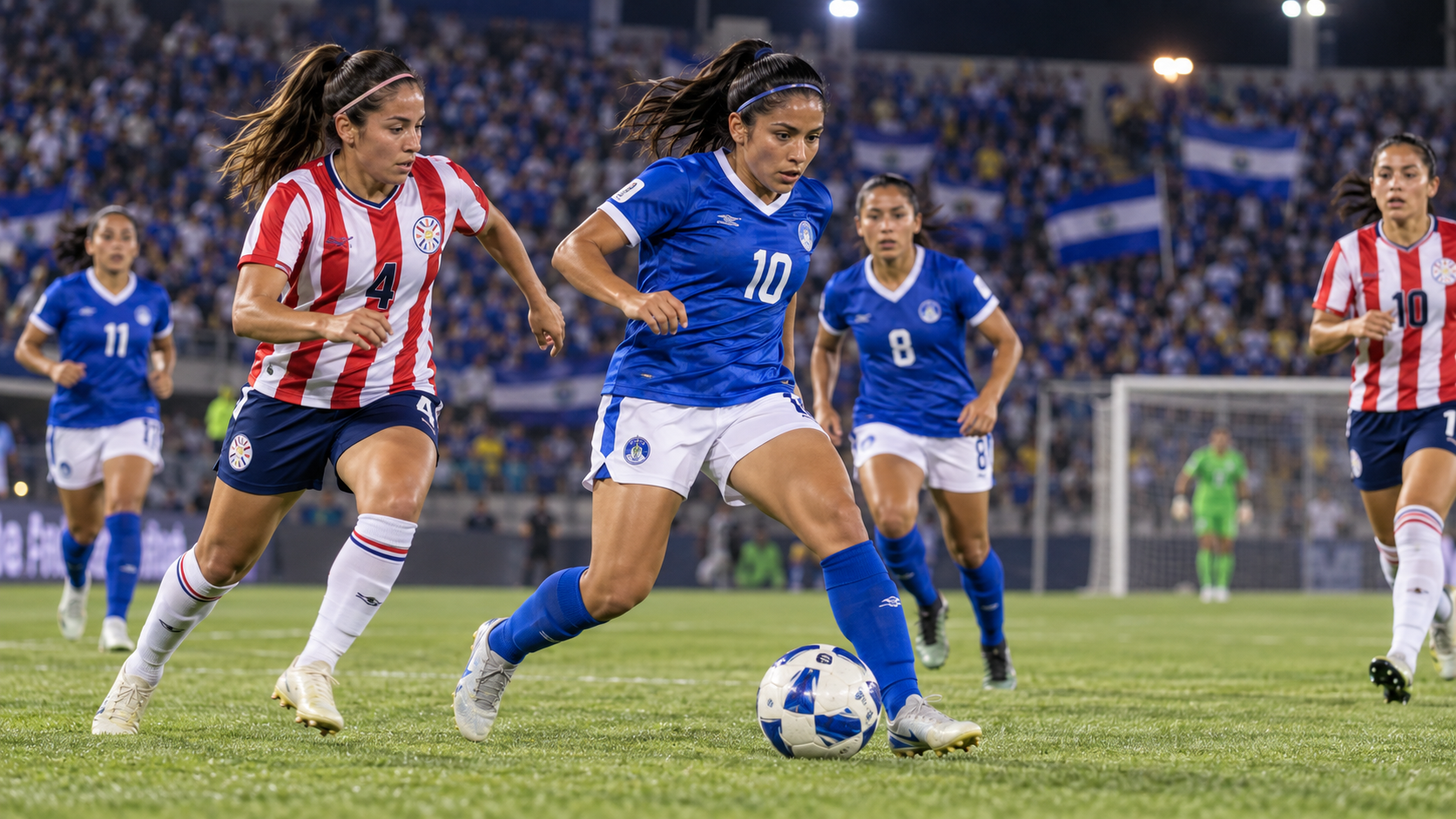
  • El Salvador’s Women’s National Team Faces Paraguay in Crucial World Cup Preparations

    El Salvador’s Women’s National Team Faces Paraguay in Crucial World Cup Preparations

    October 9, 2026

    El Salvador’s women’s national football team is preparing for an important international challenge as it faces Paraguay in two friendly matches at Estadio Cuscatlán. The games are part of the team’s preparations for World Cup qualifying, where a place in the 2027 FIFA Women’s World Cup will be at stake.

    For Salvadoran football supporters, these matches represent more than an opportunity to watch the national team compete. They are another step in the continued development of women’s football in El Salvador.

    Two Important Matches at Estadio Cuscatlán

    The Salvadoran women’s national team, commonly known as La Selecta Femenina, will face Paraguay on Friday, October 9, and Monday, October 12. Both matches will take place at Estadio Cuscatlán in San Salvador.

    • Friday, October 9: 7:30 p.m.
    • Monday, October 12: 8:00 p.m.

    These international friendlies give head coach Eric Acuña an opportunity to evaluate his players, strengthen teamwork, and make adjustments before the next major international competition.

    Paraguay provides a valuable challenge. Playing against teams with different styles and international experience helps Salvadoran players prepare for the demands of higher-level competition.

    Preparing for a Major Challenge Against the United States

    The friendly matches against Paraguay are part of a much larger objective. In late November, El Salvador is scheduled to face the United States in a decisive Women’s World Cup qualifying match.

    The United States has long been one of the strongest nations in women’s international football. Therefore, this upcoming match will present a significant challenge for the Salvadoran team. However, facing such an accomplished opponent also presents an opportunity for Salvadoran players to demonstrate their development.

    The competition offers routes toward the 2027 FIFA Women’s World Cup in Brazil, making the upcoming qualifier especially important for El Salvador.

    International Experience Can Make a Difference

    Women’s football has continued to develop throughout Central America, with national teams gaining valuable opportunities to participate in international competition.

    For El Salvador, facing an opponent such as Paraguay is particularly important because it exposes players to different tactical approaches, playing styles, and levels of competition. The coaching staff can use these games to identify strengths, address weaknesses, and improve coordination between players.

    Equally important, international friendlies allow the team to build confidence and experience the pressure of representing their country against established opponents. These lessons could prove valuable when El Salvador faces the United States in November.

    Growing Opportunities for Salvadoran Women in Sports

    The development of women’s football is about more than results on the field. Every opportunity for the national team to compete internationally helps bring attention to women’s sports in El Salvador.

    Young girls who enjoy football can see Salvadoran women representing their country and pursuing opportunities at an international level. That visibility matters.

    It encourages participation, supports athletic development, and demonstrates that women have an important place in the country’s sporting future. At the same time, continued investment in coaching, youth development, facilities, and competitive opportunities will be necessary for Salvadoran women’s football to make lasting progress.

    An Opportunity for Salvadoran Fans to Show Their Support

    The two matches at Estadio Cuscatlán also provide an opportunity for Salvadoran football fans to support their national team at home. Ticket prices announced for the games range from $3 for general admission to $30 for Nivel 12 seating.

    Support from the stands can contribute to the atmosphere and encourage the players as they prepare for one of the biggest challenges of their international careers. Whether attending the matches or following the results from elsewhere, Salvadoran supporters have an opportunity to recognize the efforts of the women representing their country.

    Looking Ahead

    The upcoming matches against Paraguay should be viewed as an important part of El Salvador’s preparation rather than simply two friendly games. The results will be interesting, but the lessons learned, improvements made, and confidence gained may be even more important.

    The November match against the United States will provide a demanding test. Nevertheless, the opportunity to compete for qualification to the 2027 Women’s World Cup is something Salvadoran women’s football can build upon.

    For a nation that takes great pride in its football traditions, the continued development of La Selecta Femenina deserves attention and support.

    At Our Life in El Salvador, we believe these opportunities are worth recognizing. The women representing El Salvador are working toward a meaningful sporting goal, and their efforts deserve encouragement as they prepare for the international stage.

    If you enjoy reading about El Salvador’s development, economy, tourism, culture, environment, and continuing transformation, please consider liking and sharing this article. Your comments help start conversations, and subscribing ensures you never miss a new post. Every interaction helps our blog reach more readers and lets us keep sharing stories about life in El Salvador.

    Sources and References

  • Firpo and Águila Bring the Eastern Classic to Usulután

    AI Image Generated for Our Life in El Salvador

    Football fans in eastern El Salvador have a big match to look forward to this weekend. Luis Ángel Firpo will host Águila on Saturday, September 26, at 6:00 p.m. at the Sergio Torres Rivera Stadium in Usulután. The match is part of the 12th round of the Apertura 2026 tournament. 770 AM

    Known as the Clásico Oriental, this meeting brings together two clubs with strong ties to the eastern region. Firpo will have the home crowd behind them in the stadium fans call the “Caldera del Diablo.” Águila arrives from San Miguel with its own supporters eager to see how the team responds in a rivalry match.

    Their first league meeting this season ended 1–1 in July. This time, Saturday’s game gives both sides another chance to gain ground against a familiar opponent.CD Luis Angel Firpo

    Firpo comes into the match after a 3–1 win over Atlético Balboa and a scoreless draw with Cacahuatique. Those results give Firpo a solid platform. However, a derby can turn on one moment: a missed chance, a defensive mistake, or a goal that lifts the crowd.
    Página del Estadio

    The match also opens the second round of league play. Elsewhere on Saturday, Inter Tecla and Isidro Metapán have games scheduled as the competition for the lead continues. For Firpo and Águila, however, the immediate challenge is the one waiting in Usulután. 770 AM

    Whether you support the Bulls or the Eagles, the Eastern Classic should bring plenty of energy to the Caldera. Kickoff is scheduled for 6:00 p.m. Saturday.

    If you enjoy reading about El Salvador’s development, economy, tourism, culture, environment, and continuing transformation, please consider liking and sharing this article. Your comments help start conversations, and subscribing ensures you never miss a new post. Every interaction helps our blog reach more readers and lets us keep sharing stories about life in El Salvador.  

  • Cycling, Art and Families Bring New Energy to San Salvador’s Historic Center

    AI Image Generated for Our Life in El Salvador

    San Salvador’s Historic Center was filled with bicycles, families, art and excitement during the ninth edition of the Pedaleada del Centro Histórico.

    The event brought Salvadorans together for a morning of exercise and recreation in one of the capital’s most important public spaces. Although cycling was the main attraction, the activity was open to more than traditional cyclists. Families, pedestrians and people using skates could also participate.

    The Pedaleada began at Plaza Gerardo Barrios and traveled through streets surrounding the Historic Center. Participation was free, allowing people of different ages and backgrounds to enjoy the event.

    This was not a professional bicycle race. Instead, it was a community activity designed to encourage exercise, family participation and the enjoyment of public spaces.

    More Than a Bicycle Ride

    The Ministry of Public Works organized the event as part of its efforts to promote recreation and alternative forms of mobility.

    Organizing a large bicycle ride in the Historic Center also allows participants to experience the area differently. Streets normally associated with vehicles, stores and daily business became places for exercise and community interaction.

    The fact that this was the ninth edition is significant. It suggests that the Pedaleada is becoming an established event rather than a one-time activity.

    Regular events of this kind can help people view the Historic Center as more than a commercial or tourist destination. It can also serve as a gathering place where Salvadorans enjoy sports, culture and time with their families.

    International Guests Join the Event

    Two international guests added interest to this year’s Pedaleada.

    Former FC Barcelona football player Dani Alves participated in the activity. His presence attracted attention from Salvadorans who remember his long career in international football.

    Spanish visual artist Mark Ríos, better known as Mr. Drip or Mr. Dripping, also attended. He is known for creating detailed portraits using a distinctive dripping technique.

    Rather than simply displaying a completed painting, Mr. Drip planned to create artwork in front of the public. Children and other participants were invited to become involved in the creative process.

    This transformed the Pedaleada into more than a sporting event. It combined cycling, art and public participation in the same location.

    Giving children an opportunity to help create an artwork was an especially positive addition. They were not limited to watching an artist work. Instead, they could participate and learn something about his creative process.

    A Historic Center Filled With Life

    For many years, some Salvadorans were reluctant to visit parts of central San Salvador because of crime, congestion and deteriorating public spaces.

    Conditions have changed considerably. Renovated plazas, restored buildings, improved security and new businesses have attracted more residents and tourists to the area.

    Events such as the Pedaleada are another part of that transformation. A public space is successful not only because its buildings look attractive, but also because people feel comfortable using it.

    Seeing families riding bicycles through the streets sends a powerful message. The Historic Center is increasingly becoming a place where people can spend time together, exercise and take part in cultural activities.

    Mr. Drip said that he wanted to learn about Salvadoran communities and visit places that were previously considered dangerous. He also spoke positively about the international image El Salvador has developed.

    His statements represent the impressions of a first-time visitor. However, they also demonstrate how changes in the country are attracting the attention of people from outside El Salvador.

    Encouraging Healthier Communities

    The Pedaleada also promotes an important public-health message.

    Cycling is an accessible form of exercise for many people. It can strengthen the heart, improve physical fitness and provide families with an enjoyable way to remain active.

    Community cycling events can introduce people to the activity in a safer and more welcoming environment. Someone who might feel uncomfortable cycling alone on a busy street may be more willing to participate when roads are controlled and many other cyclists are present.

    However, occasional events are only one step toward making cycling a practical transportation option.

    Will San Salvador eventually develop more connected and protected bicycle routes? Can cyclists travel safely between their communities, workplaces and public areas? Will secure bicycle parking be available near businesses and government offices?

    These questions will become increasingly important if authorities want more Salvadorans to use bicycles regularly.

    Activities Should Reach More Communities

    The success of an event in the capital also raises another question: Could similar activities be organized in other parts of the country?

    Families living in Ahuachapán, Sonsonate, Santa Ana, San Miguel and smaller communities could benefit from local recreational rides. These events would not need international celebrities or elaborate programs to be successful.

    A safe route, local coordination and activities for children could bring communities together while encouraging healthier lifestyles.

    Smaller municipalities could also include local artists, musicians, athletes and businesses. This would allow each community to develop an event reflecting its own identity.

    A Positive Use of Public Space

    The ninth Pedaleada del Centro Histórico provided a positive example of how public areas can be used.

    The presence of Dani Alves and Mr. Drip attracted attention, but the Salvadoran families who participated were the most important part of the event. Their involvement turned the streets into a shared community space.

    The Pedaleada combined exercise, art, recreation and family time in the heart of San Salvador. It also showed that the Historic Center’s renewal involves more than repairing buildings and improving streets.

    The true measure of its recovery will be whether Salvadorans continue returning, bringing their families and making the area part of their everyday lives.

    If the Pedaleada continues to grow—and if similar events reach other communities—it could help promote healthier habits while strengthening the relationship between Salvadorans and their public spaces.

    If you enjoy reading about El Salvador’s development, economy, tourism, culture, environment, and continuing transformation, please consider liking and sharing this article. Your comments help start conversations, and subscribing ensures you never miss a new post. Every interaction helps our blog reach more readers and lets us keep sharing stories about life in El Salvador.

  • El Salvador Rewards the Athletes Who Brought Home 24 Medals

    Salvadoran athletes brought home 24 medals from the 2026 Central American and Caribbean Games, earning recognition from INDES.

    AI Generated Image for Our Life in El Salvador

    Salvadoran athletes who represented the country at the 2026 Central American and Caribbean Games in Santo Domingo have received financial recognition from the National Sports Institute of El Salvador, better known as INDES.

    The awards recognize an impressive performance by the national delegation. El Salvador returned from Santo Domingo with 24 medals: six gold, four silver and 14 bronze.

    INDES distributed $68,760 among the Salvadoran medalists. The athletes’ coaches also received incentives equal to 20% of the amounts awarded to the competitors they trained.

    These financial awards are important. However, they also provide an opportunity to recognize the years of training, personal sacrifice and determination behind every medal.

    Success in Several Different Sports

    The Salvadoran delegation competed in the Central American and Caribbean Games from July 24 through August 8.

    One of the country’s leading performers was speed skater Ivonne Nóchez. She reached the podium four times, winning two gold and two silver medals.

    Winning four medals in one international competition is an outstanding achievement. It also made Nóchez the most decorated Salvadoran athlete at the Games.

    El Salvador also enjoyed considerable success in compound archery.

    Roberto Hernández, Douglas Nolasco and Miguel Véliz won the men’s team championship after defeating Mexico 237–233 in the final.

    In the women’s competition, Paola Corado, Sofía Paiz and Camila Alvarenga defeated Mexico 223–222. The Salvadoran women secured the gold medal by only one point, demonstrating their ability to perform under tremendous pressure.

    These victories are especially impressive because Mexico has a strong international archery program. Defeating its teams in both the men’s and women’s finals was an important achievement for Salvadoran sports.

    A Record-Setting Victory in Swimming

    Marina Spadoni added another gold medal for El Salvador in the women’s 50-meter butterfly.

    Spadoni completed the race in 26.38 seconds. Her time also established a new record for the Central American and Caribbean Games, breaking the previous mark of 26.46 seconds set in 2018.

    Winning a gold medal is an accomplishment by itself. Winning while setting a new Games record makes the achievement even more special.

    César Cruz and Diego Durán also brought home gold after winning the men’s doubles tennis championship.

    Together, these results demonstrate that El Salvador’s sporting talent extends far beyond soccer. Salvadoran athletes are competing successfully in skating, archery, swimming, tennis and several other disciplines.

    These sports may not always receive the same attention, but their athletes continue to represent the country with distinction.

    Marcelo Arévalo Recognized for Wimbledon Victory

    The awards ceremony was not limited to the medalists from Santo Domingo.

    INDES also presented $5,000 to Salvadoran tennis star Marcelo Arévalo for winning the Wimbledon mixed-doubles championship with Latvian player Jelena Ostapenko.

    The pair recovered after losing the opening set and defeated Australians Marc Polmans and Storm Hunter 4–6, 7–5, 6–2 in the final.

    Wimbledon is one of the most prestigious tournaments in international tennis. Arévalo’s championship added another historic achievement to his career and gave El Salvador another reason to celebrate.

    INDES also allocated $25,560 to recognize ten Salvadoran athletes who won medals at other international competitions during 2026.

    Among them was swimmer Rodrigo Xavier Ventura, who won the 200-meter butterfly at the PanAm Aquatics Swimming Championships in Ibagué, Colombia. His time of 2:01.37 established a new Salvadoran national record.

    Ivonne Nóchez received additional recognition for winning the 100-meter lane event at the 2026 Pan-American Clubs and Nations Speed Skating Championships in Colombia.

    Coaches Also Deserve Recognition

    I am pleased that the program includes financial incentives for coaches.

    When we watch an athlete standing on the podium, we see the final result. We do not always see the coach who spent years planning training sessions, correcting mistakes and helping that athlete recover from setbacks.

    Coaches received incentives equal to 20% of the amount awarded to their athletes. This acknowledges that international success is usually the result of a team effort.

    Behind every medalist are also families who have provided encouragement, transportation and financial assistance. Many have rearranged their lives to allow a young athlete to attend practices and competitions.

    They may not receive medals, but their contribution should not be forgotten.

    Support Must Continue Between Competitions

    The financial awards are a welcome recognition of what these athletes accomplished. Nevertheless, support should not begin only after a medal is won.

    Athletes require proper facilities, equipment, coaching, nutrition, medical services and opportunities to participate in international competitions. That support must be available throughout the years of preparation leading to a major event.

    The report did not provide a complete breakdown showing how much was awarded for each gold, silver and bronze medal. It also did not make clear whether the payments to coaches were included in the reported $68,760 or provided separately.

    Greater detail would help the public understand how the Programa Esfuerzo y Gloria operates and how Salvadoran athletes are supported.

    The amount of money awarded is important, but continued investment will determine whether the country can produce more medalists in the future.

    Inspiring the Next Generation

    These athletes have done more than add medals to El Salvador’s national record. They have shown young Salvadorans what can be accomplished through discipline, persistence and hard work.

    A child who sees Ivonne Nóchez winning four medals may become interested in skating. Another may be inspired by Marina Spadoni’s record-setting swim or by the success of El Salvador’s archery teams.

    Providing young people with access to sports can also help communities. Athletics teaches teamwork, responsibility, patience and respect. It gives children and teenagers constructive goals while encouraging healthier lives.

    El Salvador should celebrate these victories while also using them to expand opportunities for the next generation.

    Recognition That Has Been Earned

    The 24 medals won in Santo Domingo represent thousands of hours of practice and many personal sacrifices.

    The athletes carried the Salvadoran flag into international competition and returned home with six gold, four silver and 14 bronze medals. They deserve recognition not only during an awards ceremony but throughout their sporting careers.

    INDES has taken a positive step by rewarding the medalists and including their coaches. The next challenge is ensuring that talented Salvadorans receive consistent support before, during and after international competitions.

    Congratulations to every athlete, coach and family member who contributed to these achievements. Their success belongs to them, but it also gives the entire country something to celebrate.

    Which Salvadoran athlete’s achievement impressed you the most? Please share your thoughts in the comments. If you enjoy reading positive stories about El Salvador, liking and sharing this article helps more people find our blog. Subscribing also ensures that you receive our future stories.

    Source: Diario El Mundo

  • Young Salvadoran Athletes Strike Gold in Honduras

    Salvadoran student-athletes celebrate a golden opening at the 2026 Central American Student Games in Honduras.

    AI-generated image created as an editorial representation for Our Life in El Salvador

    El Salvador’s young athletes made an impressive start at the 2026 Central American Student Games, earning at least seven gold, two silver, and five bronze medals during the opening day of competition in Tegucigalpa, Honduras.

    According to Diario El Salvador, Salvadoran students reached the medal podium in judo, taekwondo, and weightlifting. Their success provided an encouraging beginning for the national delegation at one of Central America’s most important student sporting events.

    These medals represent more than victories in competition. They reflect months—and perhaps years—of training, personal sacrifice, family support, and guidance from coaches and schools.

    An Exceptional Performance in Weightlifting

    One of the outstanding Salvadoran competitors was Daniel Cuéllar, a student at Colegio Salesiano San José.

    Cuéllar earned three gold medals in weightlifting by winning the snatch, the clean and jerk, and the overall total. Capturing three gold medals in one competition is an exceptional achievement that demonstrates his strength, technique, concentration, and dedication.

    Weightlifting requires far more than physical power. Successful competitors must develop proper technique, remain mentally focused, and follow a disciplined training program. A single mistake can make the difference between earning a medal and leaving the competition empty-handed.

    Cuéllar’s performance shows what young Salvadorans can accomplish when natural ability is supported by commitment and proper preparation.

    Salvadoran Athletes Succeed in Several Sports

    The success was not limited to weightlifting. Salvadoran students also reached the medal podium in judo and taekwondo, two demanding sports that require physical conditioning, mental discipline, patience, and self-control.

    These achievements are particularly important because soccer receives most of the sporting attention in El Salvador. Soccer will always be a major part of Salvadoran culture, but the country also has talented athletes competing in martial arts, weightlifting, swimming, athletics, volleyball, and many other sports.

    Young people deserve opportunities to discover the activity that best matches their interests and abilities. Not every student dreams of becoming a soccer player. Some may have the potential to become successful weightlifters, judokas, runners, swimmers, or taekwondo competitors.

    When their accomplishments receive national attention, other students may be encouraged to try a sport they had never previously considered.

    A Large Salvadoran Delegation

    El Salvador is represented at the games by 342 athletes—164 girls and 178 boys—who are competing in 20 different sports.

    The complete delegation includes athletes, coaches, officials, referees, and chaperones. The participating sports include athletics, basketball, baseball, boxing, chess, football, futsal, gymnastics, handball, judo, karate, swimming, table tennis, taekwondo, tennis, volleyball, beach volleyball, weightlifting, wrestling, and softball.

    The games bring together student-athletes from El Salvador, Honduras, Guatemala, Nicaragua, Costa Rica, Panama, and Belize. Competition is scheduled to continue through September 13, so El Salvador will have more opportunities to add to its medal total.

    The results reported after the opening day are therefore only the beginning, not the country’s final medal count.

    The Importance of School Sports

    The Salvadoran delegation emerged from a much larger national program. According to the National Sports Institute of El Salvador, more than 70,000 students participated in the different stages of the 2026 National Student Sports Games.

    That number may be more important than the medals themselves.

    Only a relatively small group advanced to represent El Salvador in Honduras, but thousands of other students were given an opportunity to compete, exercise, build friendships, and discover their abilities.

    School sports can provide important benefits even when a student never reaches an international competition. Athletics can teach young people discipline, responsibility, teamwork, perseverance, and respect. Sports also encourage physical activity and give students a constructive way to use their time and energy.

    A medal is a visible reward, but the confidence and habits developed through athletic participation can remain with a young person throughout life.

    Success Requires Continued Support

    These opening-day results deserve celebration, but they should also encourage continued support for youth athletics throughout El Salvador.

    Talented students can be found in large cities, small towns, and rural communities. However, talent alone is not enough. Young athletes also need safe facilities, trained coaches, suitable equipment, transportation, and opportunities to compete.

    Families often make considerable sacrifices to support their children’s athletic goals. Schools, local communities, sports federations, and government institutions all have a role in helping those students develop their abilities.

    Investment should also extend beyond the athletes who have already reached the highest levels. Programs must remain accessible to children and teenagers who are only beginning to discover their potential.

    A Golden Beginning for El Salvador

    The Salvadoran student-athletes competing in Honduras have already given their country something to celebrate.

    Seven gold medals on the opening day represent a remarkable beginning, but the true importance of the story reaches beyond the medal table. These students are demonstrating what Salvadoran youth can accomplish through discipline, opportunity, and determination.

    Whether or not El Salvador adds many more medals before the games end, every student who competes while representing the national flag deserves recognition.

    Congratulations to Daniel Cuéllar and all the Salvadoran athletes who have reached the podium. We should also recognize the coaches, families, schools, and others who helped them reach this important moment.

    El Salvador’s future is not measured only by roads, buildings, tourism, or economic statistics. It can also be seen in young people who work hard, believe in themselves, and proudly represent their country.

    The competition has only begun, but for El Salvador, it is already a golden start.

    If you enjoy following the achievements of Salvadorans and the country’s continuing development, please consider liking, commenting, sharing, or subscribing to Our Life in El Salvador. Your support helps us reach more readers and continue telling these important stories.