Author: Hugh Talley

  • Nature’s Ancient Masterpieces: Exploring El Salvador’s Volcanic Mirror Lakes

    Nature’s Ancient Masterpieces: Exploring El Salvador’s Volcanic Mirror Lakes

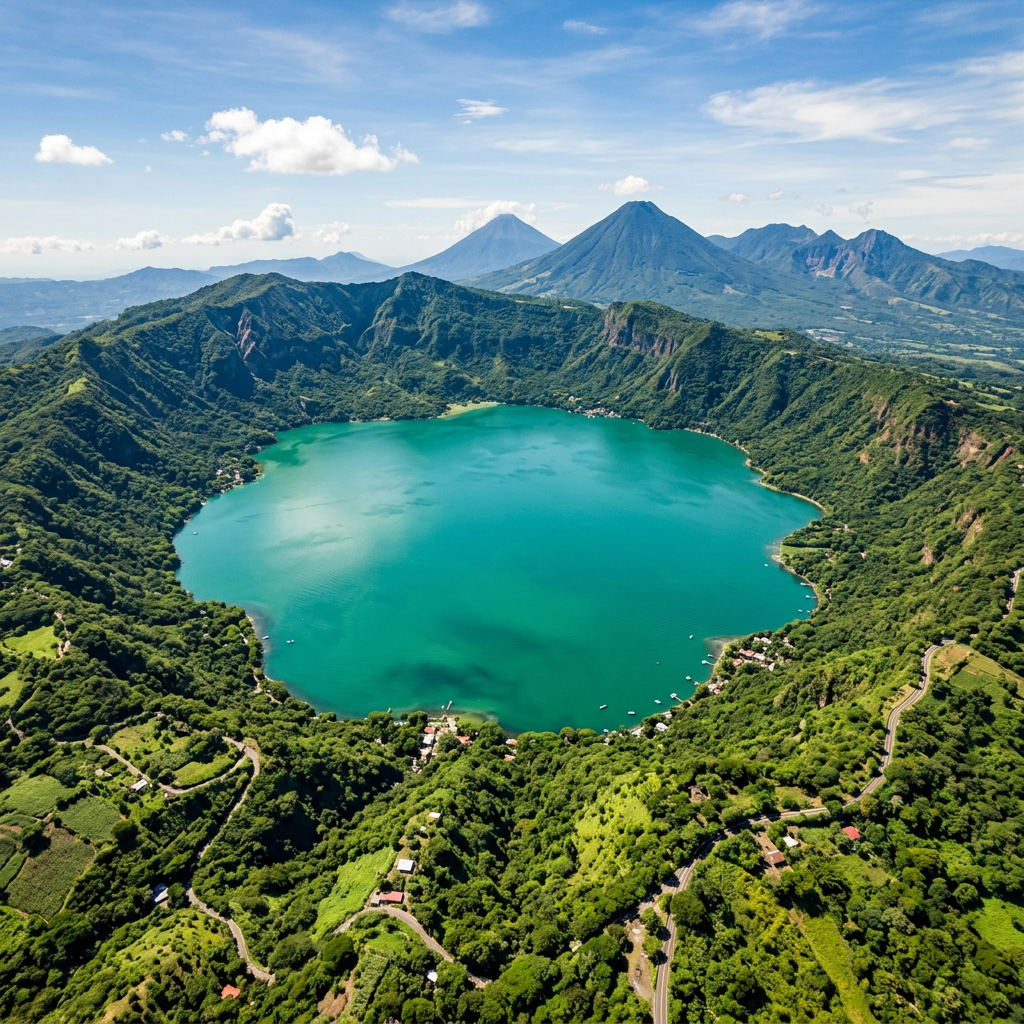
    Aerial view of a stunning volcanic crater lake in El Salvador with vibrant turquoise water

    In El Salvador, the “Land of Volcanoes,” beauty is never far away. It’s one of the few places on earth where you can hike a towering volcano in the morning, enjoy a traditional lunch overlooking its crater lake, and still catch the sunset from a scenic viewpoint before dinner. Despite being the smallest country in Central America, we have the highest density of active volcanoes in the region, and they have shaped our landscape into something truly magical.

    Thousands of years ago, massive eruptions left behind deep craters that eventually filled with rainwater, creating breathtaking lakes and lagoons. Today, let’s explore these “mirrors of water” born from the hearts of our ancient giants.

    Lago de Coatepeque: The Turquoise Gem

    Located in Santa Ana, Coatepeque is legendary for its ability to transform from a standard blue to a brilliant turquoise. This phenomenon, which occurs once or twice a year, results from minerals, volcanic activity, and microalgae. Formed about 72,000 years ago, this caldera lake is a favorite for locals and visitors alike. Whether you’re dining at a restaurant in El Congo or exploring Teopán Island—an ancient lava dome—the view is always spectacular.

    Lago de Ilopango: The Sleeping Giant

    Just 25 minutes from San Salvador lies the country’s largest natural lake. Its origin is tied to one of the most powerful eruptions ever recorded in the region: the Tierra Blanca Joven eruption 1,500 years ago. Today, its calm waters are perfect for sailing and water sports. On clear days, you can even see the distant silhouettes of the San Vicente and San Miguel volcanoes on the horizon.

    Laguna de Chanmico: The Heart-Shaped Secret

    Nestled within the San Salvador volcanic complex, Chanmico has a unique heart-shaped contour when viewed from above. Its name means “Place of the Dead” in Nahuatl, and it’s steeped in local legends. Between November and January, a natural sulfur phenomenon known as “La Azufrada” occasionally changes the color of its water, reminding us of the volcanic life still breathing beneath the surface.

    Laguna de Alegría: The Emerald of America

    High in the mountains of Usulután, inside the Tecapa crater, lies the “Emerald of America.” The Laguna de Alegría gets its name from its intense green hue, caused by minerals and geothermal gases. The town of Alegría, with its cobblestone streets and rose gardens, makes this a must-visit destination for anyone seeking fresh air and stunning vistas.

    Lago de Güija: Where Lava Met the Valley

    Near the Guatemalan border, Lago de Güija offers a different kind of origin story. Instead of a crater, this lake formed when ancient lava flows blocked a valley, allowing water to pool over centuries. It’s now a vital ecological site for migratory birds and is surrounded by colonial history in the nearby town of Metapán.

    El Salvador’s volcanic lakes are more than just scenic spots; they are living testaments to nature’s power. Which one will you visit first?

    Your voice matters in making this community thrive. Share your thoughts in the comments and subscribe to receive new stories in your inbox. If these stories inspire you, consider a donation—every bit helps us celebrate and share the wonders of El Salvador together.

  • A Morning Under My Meditating Tree

    Today I woke up with many thoughts, ideas, and questions, so I decided to go sit under my big meditation tree. This is where I receive much of my inspiration and motivation. This tree is in our upper back yard, and I believe it is well over a hundred years old. We have a few old, large trees around our property that are beautiful to me, but this is the one that I feel I have a connection with. It reminds me of a large, old tree on our family farm in Virginia when I was growing up. I also felt a connection to that tree many years ago.

    I have been working on my blog, trying to keep up with all the news here in El Salvador. So far this year, I have been reporting on the many improvements, achievements, and opportunities in the country, as well as the advancements in Tourism in El Salvador. I plan to start getting out to report firsthand on sights, restaurants, and other establishments across the country. I have been promoting my book, Harmony of the Cosmos, and yesterday I started creating a YouTube channel for ourlifeinelsalvador. This will be up soon.

    So when I woke up with all this going around in my head, I decided to spend some time with my meditation tree. I just cleared my mind as best I could, closed my eyes. The sun peeked through the branches as it was climbing in the morning sky.

    I become fully relaxed. After about twenty minutes, I opened my eyes. There was the sound of the birds singing, a little bee buzzing around my head, and landing on my glasses every once in a while. A hummingbird was getting nectar from some pink wildflowers near the tree. There were two squirrels playing far up in the tree. My first thought to myself was how blessed we were, and I thanked our Creator. The time seemed to stand still, but after almost two hours spent there, I felt refreshed and renewed. I also wanted to share this with my followers today.

    Below is a slideshow of trees on our property.

    If you are reading this from outside El Salvador, I always appreciate hearing where you are from

    Share your thoughts in the comments below, subscribe to receive updates, and join our community. If these stories inspire you, please consider making a donation to support our continued celebration of El Salvador’s achievements.

  • More Than Education: What 49,000 Young Salvadorans Tell Us About a Changing Country

    Image created using AI for illustrative purposes

    Over the past few months, I have noticed something quietly changing here in El Salvador. It does not always make the biggest headlines, but it affects the lives of everyday people.

    When I read that the country is now projecting to benefit 49,000 high school graduates with access to higher education, I paused for a moment.

    Not because of the number alone — but because of what it represents.

    For many years, continuing beyond high school was simply not an option for most young Salvadorans. In fact, only a very small percentage were able to move on to university or technical education.

    That meant something important:

    A large part of the country’s potential was never fully developed.

    A Shift That Feels Different

    What we are seeing now feels like a shift in direction.

    Programs are opening the door for students not only to attend university, but also to pursue technical and vocational training — recognizing that not every path looks the same.

    And that, to me, is important.

    Because education is not just about degrees — it is about opportunity.

    It is about giving someone a chance to build a life where they are, instead of feeling like they have to leave to find it.


    What This Could Mean

    When you begin to see tens of thousands of young people given a real opportunity to continue their education, it starts to point to something larger:

    • A growing workforce with skills
    • A stronger middle class
    • A different kind of future for the next generation

    There was a time when many young people felt they had no other option but to leave the country.

    Now, there is at least the possibility that they can stay — and build something here.


    Looking a Little Deeper

    As I read the article, I found myself reflecting on something I often think about.

    Change does not always happen all at once.

    Sometimes it comes quietly — through opportunities, through small openings, through decisions that begin to shift the direction of people’s lives.

    This feels like one of those moments. We may not fully understand today what this will become. But it is something worth watching.


    Final Thoughts

    Numbers like 49,000 are easy to read and move past, but behind that number are individuals — young men and women, each with their own path ahead. And perhaps, in time, this will be seen as part of a larger story: A country not only changing how it is seen from the outside, but changing what is possible for those who live within it.

    Join our community by sharing your thoughts in the comments and subscribing to updates. If these stories inspire you, please consider making a donation to support our ongoing work in celebrating El Salvador’s achievements.

  • What I Learned Looking Into El Salvador’s Expanding Global Reach

    Among the sectors that closed deals with new destinations are machinery and equipment, chemical substances, base metals and textiles.

    AI-generated image representing Salvadoran exports reaching global markets.

    Over the past few months, I have written quite a bit about the changes taking place here in El Salvador. Some of those changes are easy to see—new roads, increased tourism, and a stronger sense of security. Others happen more quietly, but may have an even greater long-term impact.

    This morning, while reading Diario El Salvador, one headline stood out:

    “Productos salvadoreños llegan a 60 nuevos mercados internacionales.”

    At first glance, it may sound like just another economic update. But when you stop and think about it, this is something much bigger.


    What This Really Means

    According to the report from Diario El Salvador, Salvadoran products are now reaching 60 new international markets. That is not a small step—it is a meaningful expansion of the country’s global reach.

    We are talking about products that are grown, made, and processed right here in El Salvador—things like:

    • Coffee
    • Sugar
    • Textiles
    • Processed foods
    • Agricultural goods

    These are now moving beyond traditional markets and finding their way into new parts of the world.

    From where I sit here in Cara Sucia, it’s interesting to think about something produced not too far from here ending up on a shelf somewhere across the globe.


    Something That Caught My Attention

    As I continued reading the article, one part made me pause.

    It mentioned that new deals were reached in sectors such as:

    • Machinery and equipment
    • Chemical substances
    • Base metals
    • Textiles

    Now, I’ll be honest—when I first read that, I did not fully understand what they meant by some of those categories.

    “Machinery and equipment”…
    “Base metals”…
    “Chemical substances”…

    Those are broad terms, and sitting here, I found myself wondering:

    What exactly are we talking about?


    Looking a Little Deeper

    After doing a bit of research, I realized something that honestly surprised me.

    El Salvador is not just exporting raw materials or agricultural goods—it is also producing and exporting components and materials used in global manufacturing and supply chains.

    Here is what those categories actually include:


    ⚙️ Machinery & Equipment

    This does not mean large machines are being built here. It is more about components such as:

    • Electrical parts like transformers and circuit boards
    • Automotive wiring systems used in vehicles
    • Industrial electronic components

    In simple terms, El Salvador is helping build the pieces that make modern equipment work.

    That was something I did not expect.


    🔩 Base Metals

    This refers to basic but essential materials like:

    • Steel bars and construction materials
    • Iron pipes and tubes
    • Wire products
    • Recycled metals such as aluminum

    These are the kinds of materials that end up in buildings, infrastructure, and manufacturing projects—both here and abroad.


    🧪 Chemical Substances

    This category is broader than it sounds and includes:

    • Pharmaceuticals
    • Plastics and packaging materials
    • Fertilizers
    • Cleaning and industrial chemical products

    These are everyday products that most of us use without thinking about where they come from.


    Something I Didn’t Expect

    I have to say, this part really stood out to me.

    Before looking into it, I had no idea that El Salvador was producing many of these items—especially electrical components and materials tied into global manufacturing systems.

    It gives you a different perspective on what is actually happening here.


    More Than Just Exports

    • Improved trade relationships
    • Better production standards
    • Increased confidence from international buyers
    • A country positioning itself differently on the world stage

    El Salvador is not just exporting what it grows—it is increasingly exporting what it makes.


    Why This Matters for Everyday Life

    • Local businesses expand
    • Jobs are created or strengthened
    • Investment follows opportunity
    • Communities benefit over time

    A Changing Image of El Salvador

    • Tourism increasing
    • International media coverage is shifting
    • Foreign investors taking a closer look

    And now, with products reaching dozens of new markets—including industrial and manufactured goods—the country is quietly building a reputation not just as a destination, but as a producer.


    My Perspective

    Sitting out back under that big tree in the mornings, I often think about how life has a way of unfolding in directions we don’t always expect.

    El Salvador feels a bit like that right now.

    Some of these changes are easy to see. Others, like this one, take a little more digging to understand. But when you do, you begin to see a bigger picture forming.


    Final Thoughts

    This article from Diario El Salvador may seem like a simple economic update, but it represents something deeper:

    A country expanding its reach.
    A shift in how it is seen.
    And opportunities that continue to grow.

    And sometimes, all it takes is one line in an article—something you don’t fully understand—to open the door to a much bigger story.


    Source

    This post is based on reporting from Diario El Salvador:
    “Productos salvadoreños llegan a 60 nuevos mercados internacionales.”

    Join our community by sharing your thoughts in the comments and subscribing to updates. If these stories inspire you, please consider making a donation to support our ongoing work in celebrating El Salvador’s achievements.

  • Suchitoto Opens a New Chapter: Renewing Its Historic Center

    AI-Generated Image

    Suchitoto’s quiet beauty lies in its stone streets, whitewashed walls, and relaxed colonial atmosphere. This week, Diario La Página reports the town has launched a major project to restore its historic center. By upgrading streets, public spaces, and landmarks, Suchitoto aims to reinforce its identity and reputation as a prime tourist destination.

    A Renewed Colonial Heart

    The project focused on well-known streets like San Martín, 1a Avenida Sur, 5a Calle Poniente, 5 de Noviembre, 15 de Septiembre, and Francisco Morazán. Each one was improved to restore the colonial look that makes Suchitoto unique. The work included planning, cleaning, and moving electrical wires underground. With streets renewed, attention turned to key public spaces that define the town’s spirit.

    Now, walking these streets feels more open and carefully planned. Without the overhead cables, the building fronts and rooftops stand out the way they were meant to. These enhancements pave the way for improvements in the town’s social spaces, starting with its central park.

    A Central Park That Welcomes You to Stay

    Central Park also got a careful makeover. New lighting and better seating have made it more welcoming for everyone. In towns like Suchitoto, parks are more than green spaces—they are places where people gather, and daily life unfolds. Improving these spaces helps everyone feel more connected to the community.

    Santa Lucía Church Shines Again

    One of the key restorations is the Iglesia Santa Lucía, the town’s well-known white church. Fresh paint and new LED lights now show off its architecture at night, giving the plaza a new energy. As with the other enhancements, the church’s renewal honors Suchitoto’s history and spiritual life for residents and visitors alike.

    Tourism With Identity

    These improvements are not just for modernization—they protect what makes Suchitoto distinct and enhance its reputation among destinations such as San Vicente, Ruta de las Flores, and San Salvador’s historic center.

    Tourism flourishes when places are cared for. This project demonstrates Suchitoto’s commitment to preserving its character while shaping its future.

    My Reflection

    I’ve always thought historic towns have a special feel. Their streets hold memories, and their buildings keep stories alive even without words. Seeing Suchitoto invest in its historic center feels like a promise to protect those stories and welcome new ones.

    What stands out to me is how the project balances renewal and preservation. The changes respect the town’s colonial character while making life easier and more enjoyable for everyone who lives there.

    What Do You Think?

    Have you visited Suchitoto recently, or do you plan to now that the revitalization is complete?

    How do you feel about projects like these? Do they help strengthen a town’s identity, or do they risk changing it?

    I’d love to hear your thoughts.

    Share your thoughts in the comments below, subscribe to receive updates, and join our community. If these stories inspire you, please consider making a donation to support our continued celebration of El Salvador’s achievements.

  • El Salvador’s Educational Rise: Global Praise and the Vision of First Lady Gabriela de Bukele

    AI-Generated Image

    Global Praise for El Salvador’s Educational Leadership

    Christine Hogan, Vice President of the Global Partnership for Education, praised El Salvador this week for “showing what leadership within education could look like.” Her remarks, delivered during a high-level forum in San Salvador, highlighted the country’s strategic investment in early childhood development — a transformation rooted in national policy and long-term vision.

    Hogan emphasized that El Salvador’s Crecer Juntos framework is “not only the right policy, but also a smart investment.” Italy’s ambassador, Paolo Emanuele Rozo Sordini, echoed the praise, citing improvements to infrastructure and the use of digital tools in classrooms.

    👩‍🏫 The First Lady Behind the Transformation

    The core of this progress is First Lady Gabriela de Bukele, whose office has led the creation of a national early childhood system since 2019. Her initiatives include:

    • CAPI Early Childhood Centers
    • Child Welfare Centers
    • Family Circles
    • Community Child and Family Care Centers
    • Tree of Life Collection
    • La Casa de Lula
    • Creativerso
    • Tablets for kindergarten and first grade
    • A redesigned National Early Childhood Curriculum

    These are not symbolic gestures — they are institutions, tools, and frameworks that have changed how El Salvador educates and supports its youngest citizens. Enrollment in early childhood programs has tripled, and parvularia coverage has risen from 50% to nearly 74%.

    🧭 Redefining the Role of First Lady

    In many countries, the role of First Lady is ceremonial. But figures like Gabriela de Bukele — and, in a different context, Melania Trump, with her Be Best initiative — show what happens when that platform is used to champion children, families, and long-term wellbeing.

    Both women stepped into roles often underestimated. Both focused on children’s emotional and developmental needs. And both demonstrated that First Ladies can shape national priorities in ways that endure.

    💡 A New Identity for El Salvador

    El Salvador’s entry into the Global Partnership for Education in 2022 brought nearly $30 million in financing, executed with the World Bank and the Inter-American Development Bank. The meeting where Hogan delivered her remarks — Education Multiplies Possibilities: An Investment in Our Future — was organized by the Office of the First Lady, the Embassy of Italy, and GPE.

    That collaboration alone signals how central early childhood has become to El Salvador’s development strategy. And it reflects a deeper truth: this recognition is not accidental. It is the result of years of coordinated work, much of it led by a First Lady who chose to treat her role not as a formality, but as a responsibility.

    Join our community by sharing your thoughts in the comments and subscribing to updates. If these stories inspire you, please consider making a donation to support our ongoing work in celebrating El Salvador’s achievements.

  • Easter in El Salvador: Where Everything Is Close and Full of Surprises

    Easter in El Salvador: Where Everything Is Close and Full of Surprises

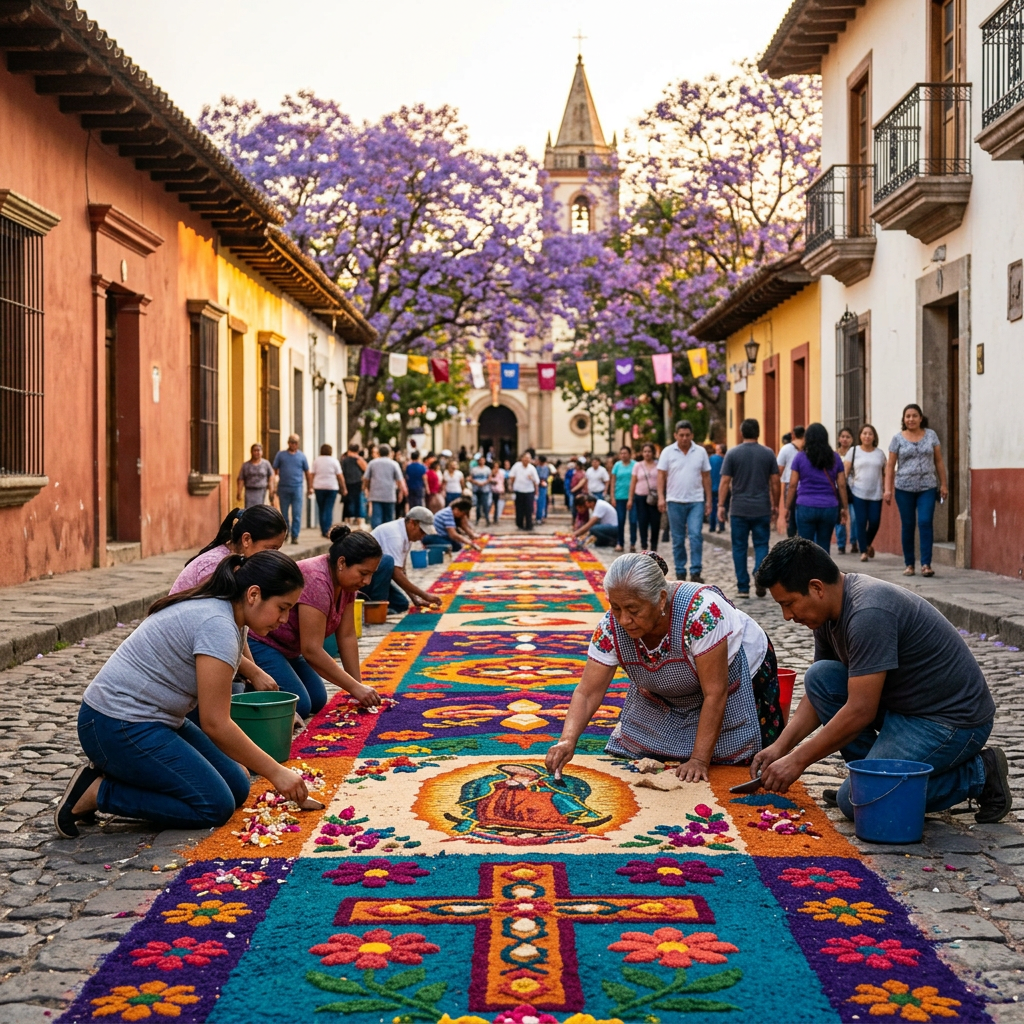
    A vibrant sawdust carpet (alfombra) in a colonial Salvadoran town during Holy Week.

    Semana Santa in El Salvador is a beautiful blend of deep-rooted tradition and exciting travel. In this small but vibrant country, you are never more than a short drive away from misty mountains, sparkling lakes, or sun-drenched beaches.

    Holy Week in Ahuachapán, for instance, has a unique rhythm. Streets burst with color as families prepare for processions, and the air fills with the scent of incense, flowers, and the warm dusk breeze.

    From the vibrant ‘alfombras’ to the quiet ringing of church bells, this season makes the whole town feel like it is breathing differently.

    A recent article in El Diario de Hoy notes that Holy Week remains one of the busiest travel times in the region. Many Salvadorans and international visitors take advantage of the time to explore the country’s diverse landscapes.

    Beaches That Come Alive During Holy Week

    If you love the sun, El Salvador’s coast offers a variety of experiences during the holiday:

    • El Tunco (La Libertad): Known for its surf culture and lively nightlife, this beach attracts crowds from all over the world.
    • El Cuco (San Miguel): For those seeking peace, these long beaches and gentle waters are perfect for a family getaway.
    • Los Cóbanos (Sonsonate): Home to a significant coral reef, it is the ideal spot for diving and boat tours.
    • Playa Playitas (La Unión): A quiet haven with views of the Conchagua Volcano, where you can enjoy fresh seafood and boat rides to nearby islands.

    Each beach has its own personality—whether it’s lively, calm, or adventurous—but they all share the warm coastal weather that makes Holy Week so special.

    Cooler Weather in the Mountains

    If you prefer to escape the heat, the mountains provide a completely different perspective on Easter:

    • El Boquerón National Park: Stand at the edge of a massive volcanic crater and walk through lush trails with panoramic views.
    • Balboa Park: Enjoy 44 blocks of forest and trails, featuring monuments inspired by the country’s pre-Columbian history.
    • Montecristo National Park: Trek through cloud forests and discover the rich biodiversity of the Trifinio Biosphere Reserve.

    The beauty of El Salvador is how quickly the scenery changes. You can literally travel from a tropical beach to a cool pine forest in under an hour.

    Towns Where Tradition Still Lives

    Beyond the nature, Holy Week is when cultural towns truly shine:

    • Juayúa: Famous for its weekend food festival, this town is a must for anyone wanting to taste traditional Salvadoran dishes.
    • Concepción de Ataco: Wander through streets filled with colorful murals and explore a relaxed, bohemian vibe.
    • Izalco: Known for its solemn processions, Izalco keeps centuries-old religious traditions and colonial heritage alive.

    These towns offer a more reflective experience, full of community and color. Each year, it feels as if the country is being rediscovered by those who walk its streets.

    Tourism officials highlight these destinations because they showcase why El Salvador is called a “small but complete” destination. Whether you are looking for adventure or peace, you’ll find it here.

    Holy Week: A Personal Note

    For me, in Ahuachapán, Holy Week is more than just a holiday. It brings a profound sense of belonging. I love seeing the plazas fill with families and watching the churches prepare their altars with such care.

    When the processions move slowly through the streets, the everyday noise of life simply fades away. People greet each other more warmly, and the whole town unites in celebration. For me, that is the true heart of Easter—slowing down to rediscover the places that have shaped my life.

    Whether you find yourself at the beach, in the mountains, or in a quiet town like Cara Sucia, the invitation to reflect and reconnect is always there.

    Your voice matters in making this community thrive. Share your thoughts in the comments and subscribe to receive new stories in your inbox. If these stories inspire you, consider a donation—every bit helps us celebrate and share the wonders of El Salvador together.

  • Construction Underway: New 153-Room Hotel Rising at El Salvador International Airport

    Construction Underway: New 153-Room Hotel Rising at El Salvador International Airport

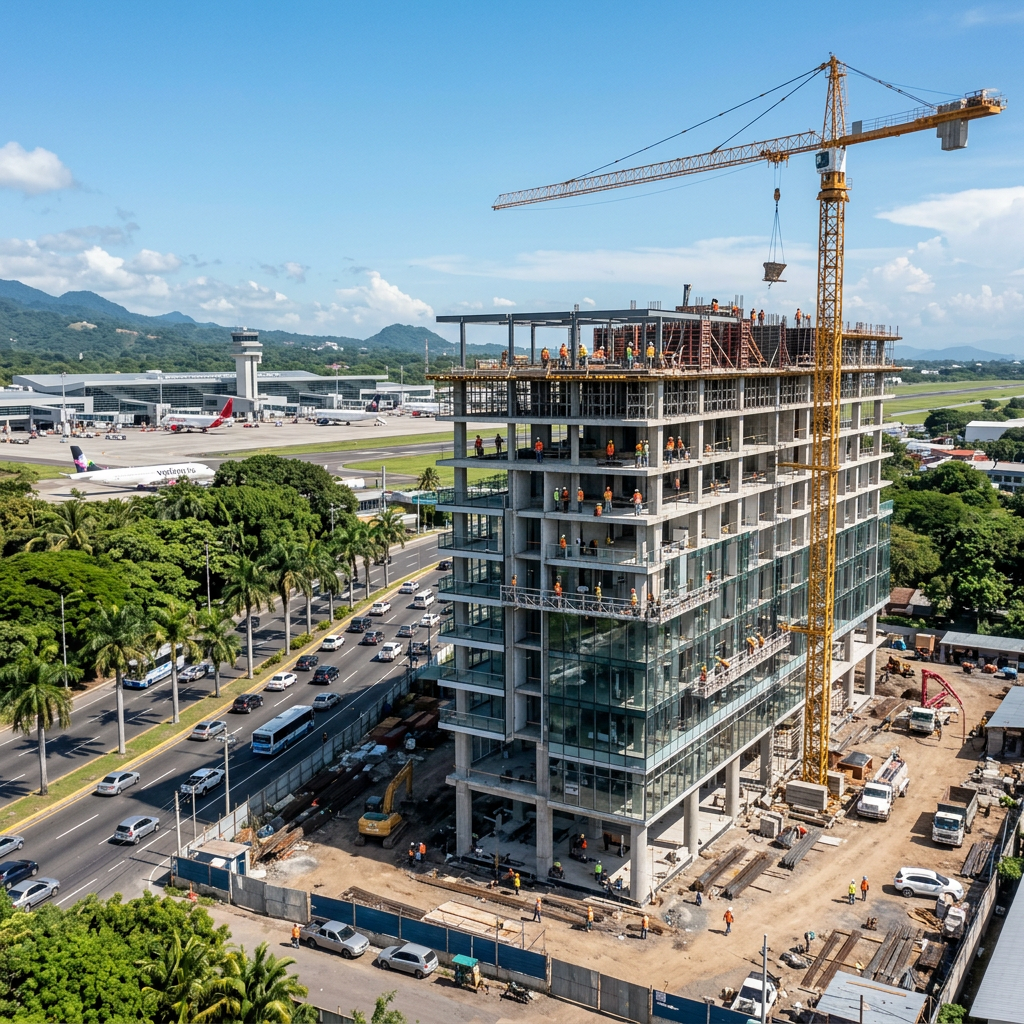
    Construction site of a 153-room hotel across from El Salvador International Airport

    Exciting developments are taking flight at El Salvador’s San Óscar Arnulfo Romero y Galdámez International Airport! Construction has officially begun on a brand-new, 153-room hotel located directly across from the terminal, marking a significant milestone for the country’s tourism and business infrastructure.

    A New Hub for Connectivity

    Led by the Costa del Sol Hotel Group, this ambitious project aims to meet the growing demand for high-quality accommodation near the nation’s primary gateway. With 153 modern rooms, the hotel is designed to cater to international travelers, corporate executives, and transit passengers, offering unprecedented convenience for those visiting El Salvador.

    The strategic location—right in front of the airport terminal—is expected to significantly enhance El Salvador’s position as a regional connectivity hub. By providing seamless access to lodging, the project supports the government’s vision to boost corporate tourism and facilitate international business operations in the country.

    Economic Impact and Future Growth

    During the recent groundbreaking ceremony, officials and developers emphasized the project’s economic benefits. Beyond the temporary construction jobs, the hotel will create numerous permanent positions in hospitality and services once it opens its doors. This investment reflects a strong confidence in El Salvador’s burgeoning tourism sector and its expanding global reach.

    As construction progresses, this new airport hotel stands as a symbol of progress, promising a more comfortable and efficient experience for the millions of passengers who pass through El Salvador each year. Stay tuned for more updates as this exciting project takes shape!

    If you enjoy our stories, we’d love to hear from you in the comments. You can subscribe to our blog for free. Donations help us keep the site running, but subscribing is always free and never required.

  • The Magic of the Mountain: Discovering the New Puerta del Diablo

    The Magic of the Mountain: Discovering the New Puerta del Diablo

    El Salvador is a land of hidden gems and mystical landscapes, but few places capture the imagination quite like La Puerta del Diablo (The Devil’s Door). Recently, Diario El Salvador highlighted the “magic” of this mountain destination, which has undergone a significant transformation to welcome tourists with modern facilities and breathtaking views.

    A Modern Look for a Mystic Landmark

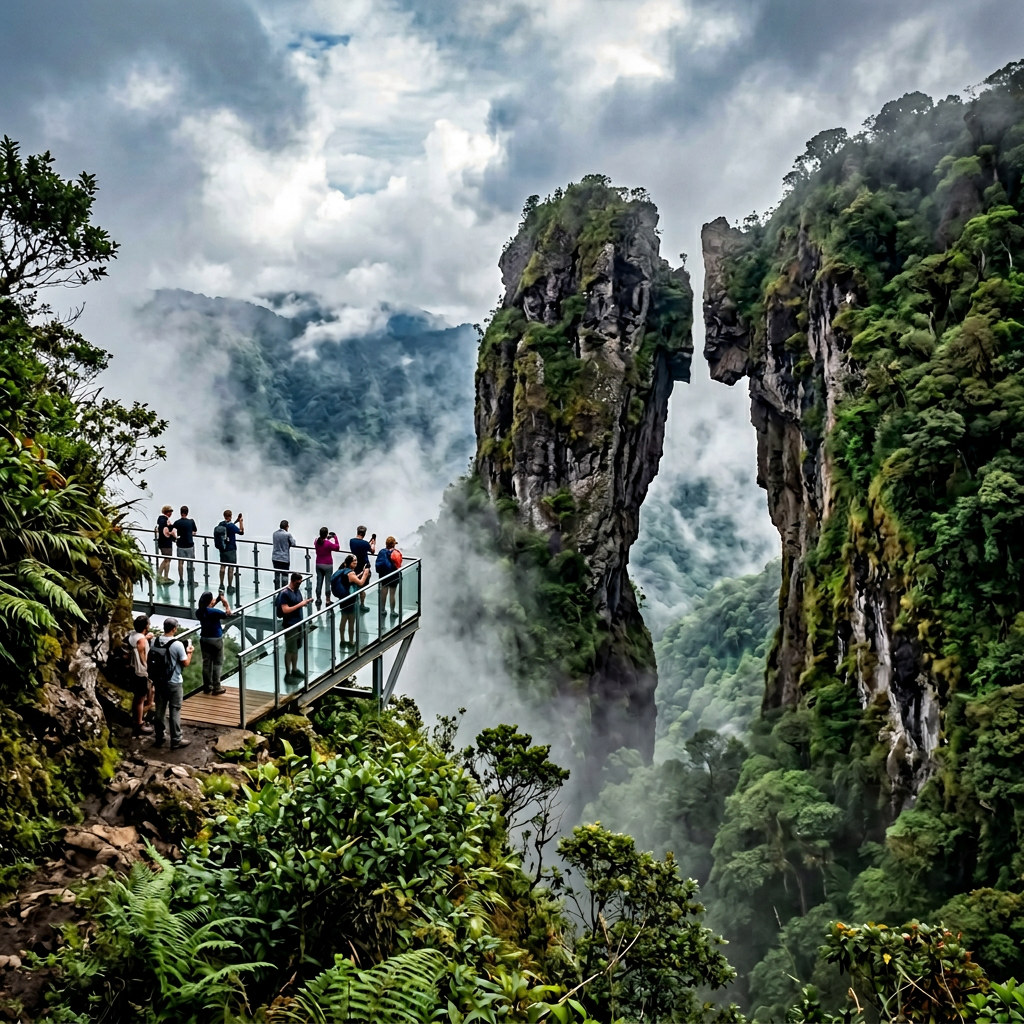
    Located in Panchimalco, just a short drive from San Salvador, La Puerta del Diablo has long been known for its unique rock formations and the legendary tales that surround them. According to the recent report by Diario El Salvador, the site now features state-of-the-art infrastructure, including glass viewpoints that allow visitors to stand “above” the clouds and witness the vastness of the Pacific Ocean, Ilopango Lake, and the surrounding volcanoes.

    The natural arch and glass viewpoint at La Puerta del Diablo, El Salvador
    The stunning natural arch of La Puerta del Diablo.

    Geological and Cultural Heritage

    It’s not just about the views; it’s about the science and the story. The International Union of Geological Sciences (IUGS) has recognized this site as one of the top 100 geological interest spots globally due to its unique tectonic and volcanic features. The three main peaks—El Chulo, El Chulito, and El Chulón—create a dramatic silhouette against the sky, especially when the thick mountain mist rolls in, creating a truly magical atmosphere.

    A Taste of El Salvador

    No visit to this mountain peak is complete without indulging in local flavors. The food plaza offers traditional favorites like pupusas, riguas, and atoles, making it the perfect spot to warm up in the cool mountain breeze. Even National Geographic has recently showcased the beauty of this destination, cementing its status as a must-visit for both locals and international travelers.

    Whether you’re looking for an adventure on the trails or a quiet moment to admire the scenery, the new Puerta del Diablo offers a safe and accessible experience for everyone. As Diario El Salvador perfectly puts it, there is a certain “magic” in the mountain that you simply have to feel for yourself.

    Here is what has changed since my last visit:

    • Glass Viewpoints: There are now six modern viewpoints that let you stand right on the edge of the cliffs for a more dramatic (and safer) view of the landscape.
    • Infrastructure: The rustic trails have been replaced with well-maintained plazas, paved walkways, and accessible ramps for people with disabilities.
    • Services: The area now has a dedicated food court, artisan shops, improved lighting for night visits, and secure parking.
    • International Recognition: Because of these improvements and its geological importance, it has recently gained even more international attention, including from National Geographic.

    So, the “magic” mentioned in today’s Diario El Salvador article refers to both the natural beauty I remember and the new, modern experience that makes the site much more accessible and visually striking.

    If you enjoy our stories, we’d love to hear from you in the comments. You can subscribe to our blog for free. Donations help us keep the site running, but subscribing is always free and never required.

  • Integration Directorate Celebrates University Achievement with 10,000 Scholarship Recipients

    Integration Directorate Celebrates University Achievement with 10,000 Scholarship Recipients

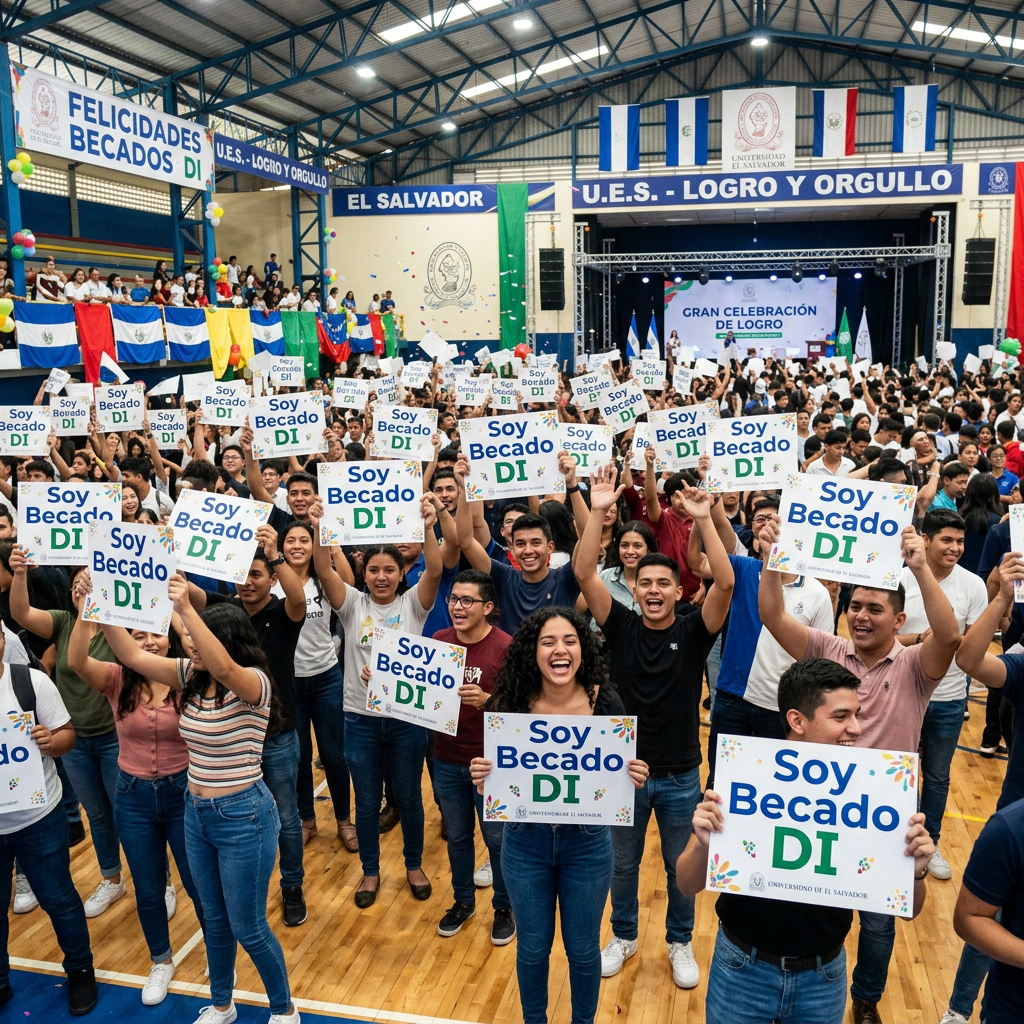
    A large group of young university students celebrating in El Salvador with scholarship signs

    Today, El Salvador witnessed a historic moment as the Integration Directorate (Dirección de Integración) celebrated with 10,000 young scholarship recipients at the “Los sueños se conquistan. Soy Becado DI” event held in San Salvador’s Gimnasio Nacional José Adolfo Pineda.

    This group of dedicated students from central and western El Salvador joins another 7,000 from the eastern and paracentral regions, bringing the total number of government-supported university students to over 17,000 across 37 universities nationwide.

    Students who completed their training process in public schools in 2025 won a higher education scholarship and are now part of the Academic and Technical Continuity program of the Directorate of Integration, promoted by the Government of President Nayib Bukele to continue training part of the Generation that Flourishes.

    Turning Dreams into Reality

    Alejandro Gutman, President of the Integration Directorate, emphasized that these public policies are built through the participation and commitment of the people. “If you hadn’t committed to transforming your future, you wouldn’t be here,” he stated during the festive event.

    For decades, higher education was a privilege for a small minority, with only 1% to 5% of high school graduates continuing to university. Today, this narrative is changing, making education a right accessible to all who graduate from the public school system.

    A Tribute to Women

    Timed with International Women’s Day, Gutman also paid tribute to the mothers and women who serve as the backbone of Salvadoran families. He noted that their tireless support has been crucial in encouraging more young women to pursue their academic goals.

    Looking ahead, the government aims to add another 20,000 students to this growing “Generation that Flourishes” (Generación que Florece) by 2027.

    If you enjoy our stories, we’d love to hear from you in the comments. You can subscribe to our blog for free. Donations help us keep the site running, but subscribing is always free and never required.

    Source: Diario El Salvador