Category: Uncategorized

  • Golf in El Salvador: A Quiet Sport Finding Its Place

    Illustration created for this blog post.

    A Sport I Never Expected to See Here.

    When I first moved to El Salvador, golf was the last thing I imagined would become part of the national conversation. This is a country of volcanoes, coffee farms, beaches, and bustling markets — not rolling greens and polished fairways. Yet lately, golf keeps appearing in the news, slipping into conversations, and showing up in places I never expected. It’s one more reminder that El Salvador is full of surprises, even after all these years.

    From Hillsides to Fairways.

     Most people picture golf as a sport reserved for wide, manicured landscapes in places like Florida or California. But here, tucked between the mountains and the Pacific, golf courses have begun to take root. They rise out of the countryside in a way that feels almost surreal — green ribbons laid across land better known for sugarcane, cattle, and coffee. And yet, somehow, it works. The contrast is striking, but not jarring. It’s simply another layer added to a country that keeps reinventing itself.

    A Growing Presence on the International Stage.

    What caught my attention recently was El Salvador’s entry into the international golf scene. Professional tournaments have begun to appear on the calendar, drawing players from across the region and beyond. These events bring a different kind of visitor — golfers, investors, sports travelers — people who may never have considered El Salvador before. Suddenly, the country is being mentioned in conversations about rankings, tours, and championship courses. It’s a quiet shift, but a meaningful one.

    Golf as a New Kind of Tourism.

     Tourism here has always leaned toward adventure: surfing, hiking, and volcano treks. Golf adds something different — a slower, more contemplative rhythm. It attracts travelers who want calm mornings, long fairways, and a chance to see the country from a different angle. And for locals, it opens doors to new jobs, new skills, and new opportunities. Whether or not you play the sport, you can feel the ripple effect.

    Watching the Country Evolve.

    I’m not a golfer myself, but I’ve come to appreciate what this new chapter represents. It’s another sign of El Salvador’s ongoing transformation — a country stepping into spaces where it wasn’t expected, and doing so with confidence. Golf may not define the nation, but it adds to the mosaic. It shows that El Salvador is not limited to the stories people used to tell about it. It’s growing, experimenting, and finding new ways to be seen.

    A Final Thought on an Unexpected Sport.

    Maybe that’s why this caught my attention in the first place. Golf in El Salvador isn’t just about the sport. It’s about possibility. It’s about a small country taking its place on a larger stage, one fairway at a time. And for those of us who live here, it’s one more reminder that this place is always evolving — quietly, steadily, and often in ways we never saw coming.

    If our stories resonate with you, we’d love to hear from you in the comments. You can also subscribe to our blog at no cost — your support and encouragement truly keep us going. We do accept optional donations to help maintain the site, but subscribing is always free and never tied to any contribution.

  • From the Hills of El Salvador to the Markets of Dubai: A Coffee Journey I’ve Watched From the Outside

    Not a Coffee Drinker, but Surrounded by Its Presence

    I’ve never been a coffee drinker. I’ve tried it a few times over the years, but the taste never stayed with me. What did stay with me is the smell — that warm, earthy aroma drifting through Salvadoran mornings, rising from kitchens, corner pupuserías, and roadside comedores. Even if you don’t drink coffee here, you live alongside it. It’s part of the landscape, part of the rhythm of the day.

    Hearing About Salvadoran Coffee From Afar

    Friends back in the States often tell me how much they love Salvadoran coffee. They describe flavors I can’t personally taste — chocolate notes, bright acidity, a smooth finish — but I can hear the affection in their voices. It always makes me smile that something grown on the slopes of Apaneca or the highlands of Chalatenango ends up in mugs thousands of miles away.

    A Small Country Reaching a Global Market

    Lately, Salvadoran coffee has been traveling even farther. News has been circulating about our beans making their way into Dubai — a place known for luxury markets, high‑end cafés, and customers willing to pay premium prices for quality. It’s a long way from the quiet fincas tucked into our hillsides, but somehow it feels natural. Good coffee has a way of finding its audience.

    The Story Behind Every Bean

    What strikes me most is how this journey reflects the country itself. El Salvador is small, but its gifts travel well. Coffee here isn’t just a crop; it’s a story carried across oceans. It’s the work of families who have tended the same soil for generations. The harvesting, the drying patios, the careful sorting. It’s pride — quiet, steady, and deeply rooted.

     Appreciating Coffee Without Drinking It  

    Even as someone who doesn’t drink it, I’ve come to appreciate what coffee means to this place.

    Coffee Is Everywhere You Look  

    I see it in the landscapes I pass on the road to Ahuachapán. I see it in the hands of farmers selling their beans at local markets. And now, I see it in the way the world is beginning to notice.

    I may never develop a taste for coffee, but I’ll always appreciate the story it tells — a story of land, labor, and the quiet strength of a small country with a big flavor.

    If you enjoy our posts, please consider leaving a comment and subscribing to our blog. Subscriptions are free, and your support means so much to us. We also welcome donations to help us keep the blog running, though they are completely optional and not required to subscribe.

  • Surfing Events Coming to El Salvador in 2026: A Big Year for Surf City

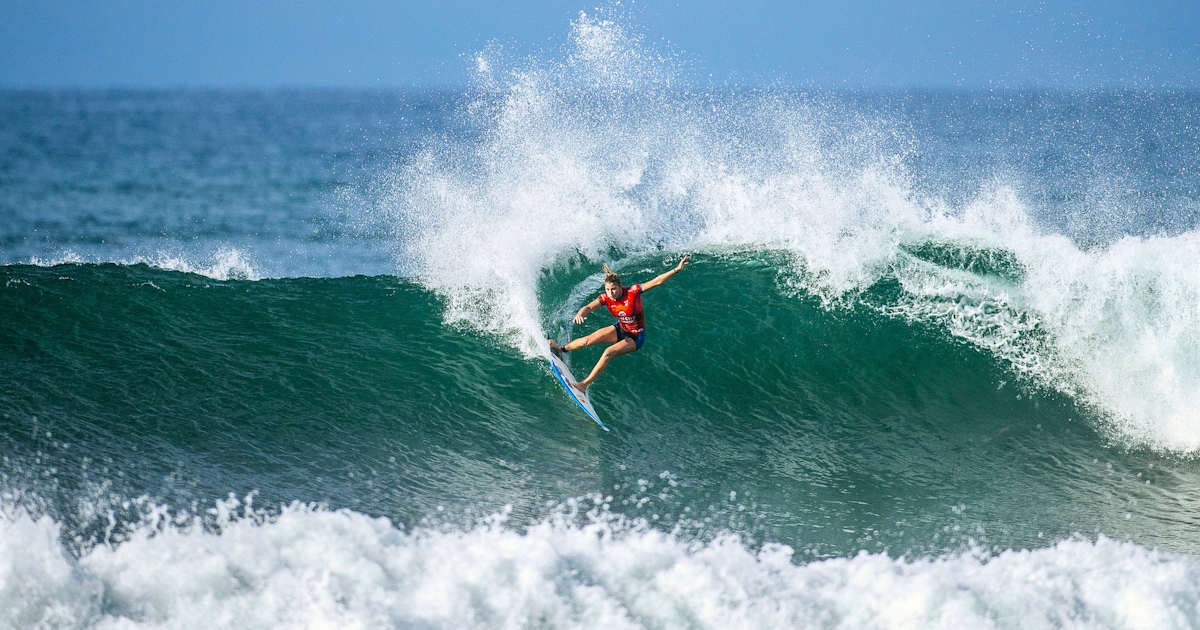
    El Salvador continues to strengthen its reputation as a world‑class surfing destination. With the Surf City strategy now firmly established and a long‑term partnership with the International Surfing Association running through 2027, the country is preparing for another year filled with major international competitions.

    For travelers, athletes, and anyone who follows the growth of tourism in El Salvador, 2026 is shaping up to be an exciting year.

    WSL Punta Roca Pro (May–June 2026)

    One of the most anticipated events of the year will be the World Surf League Championship Tour stop at Punta Roca, scheduled between late May and early June. This competition brings together the world’s top surfers, along with global media coverage and thousands of fans.

    Punta Roca is known for its fast, powerful right‑hand wave — a natural arena that challenges even the most experienced athletes. Its continued presence on the WSL calendar shows how well El Salvador has performed as a host.

    ISA World Longboard Surfing Championship (April 2026)

    Another confirmed event is the World Longboard Surfing Championship, set for April 2026. Longboarding brings a different energy to Surf City: slower, more graceful, rooted in the classic style of surfing.

    This event highlights the diversity of waves and talent that El Salvador can support, and it draws athletes from dozens of countries.

    ISA World Junior Surfing Championship (Pending Confirmation)

    El Salvador is also a strong candidate to host the World Junior Surfing Championship in 2026, with possible dates in April or September. While not officially confirmed, the country’s ongoing agreement with the ISA makes it a likely choice.

    If selected, this event would bring the best young surfers from around the world — the future stars of the sport.

    Why These Events Matter

    Each competition brings more than athletes. They bring:

    • international visibility
    • tourism revenue
    • global media coverage
    • long‑term interest in El Salvador’s beaches
    • opportunities for local communities

    Surf City has become more than a slogan — it’s a strategy that continues to reshape the country’s image and attract travelers who might never have considered El Salvador before.

    A Growing Surfing Calendar

    With confirmed events and others still in discussion, 2026 will keep El Salvador active on the global surfing circuit. The combination of world‑class waves, organizational experience, and international partnerships ensures that the country remains a key destination for competitive surfing.

    For those of us who live here — and for anyone who loves the ocean — it’s exciting to see El Salvador continue to grow into its role on the world stage.

    If you enjoy following our journey, feel free to leave a comment and subscribe to our blog. Subscribing is completely free, and your presence here already means a great deal to us. We also accept voluntary donations, which help us keep this space running, but they are never required.

  • San Diego Caves and San Felipe Las Barras:A Quiet Corner of Adventure in Metapán

    A Note on Discovery

    I haven’t visited San Diego and San Felipe Las Barras yet, but it’s a place that keeps calling to me. The more I learn about it — the caves, the dry forest, the quiet trails — the more I feel that familiar pull to go and see it for myself. Part of the joy of living in El Salvador is realizing how many landscapes still wait just beyond the next road, and this park is one I hope to explore in the near future.

    There are places in El Salvador that don’t shout for attention — they wait. They sit in the folds of the landscape, holding stories older than any of us, and they reveal themselves slowly to the people who take the time to walk toward them. The San Diego and San Felipe Las Barras National Park, in the northern part of Metapán, is one such place. It’s a protected area shaped by dry forest, volcanic stone, and the quiet movement of wildlife, the kind of environment that reminds you how much of this country still breathes in its own rhythm, untouched by the rush of the cities.

    A Landscape Carved by Time

    The park is known for its two caves — natural formations that feel like doorways into another layer of the land.

    Cueva Hedionda

    This cave greets you with a faint mineral smell, a reminder of the earth’s chemistry at work. Inside, the temperature drops and the light softens. It’s not a dramatic cavern, but a contemplative one — a place where you feel the slow patience of geology.

    Cueva Invisible

    True to its name, the entrance hides itself until you’re nearly on top of it. Once inside, darkness takes over completely. Visitors move by flashlight, step by step, while small bats flutter overhead. It’s a gentle reminder that these spaces belong first to nature, and we are only guests.

    Trails, Forest, and the View from Above

    Beyond the caves, the park opens into a network of trails that wind through tropical dry forest and past rock formations shaped by centuries of weather. One of the highlights is the Cerro Campana viewpoint, where the land stretches out in ridges and valleys, and on clear days, you can see the distant shimmer of Lake Güija.

    It’s the kind of place where you can spend a day without rushing — walking, resting, listening, letting the landscape settle into you.

    Wildlife in the Quiet Moments

    For those who pay attention, the park offers glimpses of deer, migratory birds, small wildcats, reptiles, and the subtle movements of a forest that survives on resilience. It’s a good place for photography, but also for reflection — the kind of environment where you notice details you might miss in busier places.

    If You Go

    • Hours: Best to visit between 8:00 a.m. and 4:00 p.m.
    • Entrance: There’s a small fee for both locals and foreigners
    • Bring: Water, good shoes, snacks, and a flashlight for the caves
    • Guides: Recommended for cave exploration
    • Respect: Leave no trash and follow the ranger’s instructions

    A Northern Jewel Worth Knowing

    San Diego and San Felipe Las Barras aren’t a flashy destination. It doesn’t compete with beaches or volcanoes. Instead, it offers something quieter and more enduring — a chance to step into the earth’s memory, to walk through forest and stone, and to experience a side of El Salvador that still feels wonderfully untouched.

    For travelers, families, and anyone who loves the quieter corners of nature, Metapán’s caves are a reminder that adventure doesn’t always need noise. Sometimes it just needs a path, a bit of curiosity, and the willingness to slow down.

    If you enjoy following our journey, leave us a comment, and we would be grateful if you could subscribe to our blog. Your support means so much to us.

  •    El Salvador Steps Into 2026 as a Regional Hub for World‑Class Events

    A reflection on what “event tourism” means for a country finding its footing

    El Salvador is entering 2026 with a new kind of momentum — not just in beaches, parks, or cultural sites, but in the growing world of event tourism. According to the Ministry of Tourism, the country is now considered the destination of choice for major international events. This shift would have been hard to imagine just a few years ago.

    In the first quarter of 2026 alone, more than 50 international events are scheduled, bringing an estimated 3,500 to 4,000 visitors each week. Most will be centered around La Libertad and San Salvador, two areas that have become the country’s public face to the world.

    🎪 A Calendar Full of Big Moments

    Some of the events arriving in the coming months include:

    • El Salvador Tour
    • Ilopango Air Show
    • Shakira’s residency
    • Pan American Maxibasketball
    • Ironman 70.3 San Salvador

    These aren’t small gatherings — they’re the kind of events that draw athletes, performers, fans, and media from across the region and beyond. Each one adds another layer to the country’s growing reputation.

    🔐 Why El Salvador Is Being Chosen

    Tourism Minister Morena Valdez points to a simple foundation: security. Without it, she says, none of this would be possible. The confidence to host international events — and the willingness of investors to bring them here — rests on the sense of stability that has taken hold in recent years.

    But it’s not just safety. There’s also:

    • Legal certainty for investors
    • Improved infrastructure in key tourism zones
    • A coordinated national calendar that makes planning easier
    • A government eager to host and promote events

    Together, these factors have positioned the country as a reliable partner for organizers looking for a fresh, energetic destination.

    🌱 What This Means for Everyday Salvadorans

    Event tourism isn’t just about big names and big crowds. It filters into daily life in quieter ways:

    • Hotels fill up.
    • Restaurants stay busy.
    • Local vendors see more movement.
    • Young people find temporary work.
    • Communities feel the energy of something happening.

    For those of us who live here, it’s another sign of a country opening itself to the world — not cautiously, but confidently.

    🌄 A Personal Reflection

    Living in the west of El Salvador in Cara Sucia, I feel these shifts even from a distance. When my wife and I travel toward San Salvador or La Libertad, the roads feel different now — more alive, more connected to something larger. There’s a sense that the country is stepping onto a bigger stage, and doing so with a kind of quiet pride.

    Event tourism may sound like a technical term, but at its heart, it’s about people coming together. It’s about a country saying, We’re ready to host you. See who we are now.

    ✍️ Looking Ahead

    For a small country, with organizers already asking about 2027, the trend seems set to continue. For a small country with a big spirit, that momentum matters.    

    If you enjoy following our journey, leave us a comment, and we would be grateful if you could subscribe to our blog. Your support means so much to us.

  • 10.2 Million Local Journeys — And What They Reveal About Today’s El Salvador

    A reflection on what these numbers mean for everyday Salvadorans

    El Salvador closed 2025 with a remarkable milestone: more than 10.2 million domestic visits to parks, cultural sites, natural areas, and public recreation spaces across the country. For a nation of just over six million people, that number says something deeper than statistics — it speaks to a country rediscovering itself.

    According to the Ministry of Tourism, this surge was mainly driven by the sense of safety Salvadorans now feel when exploring their own towns, mountains, and coastlines. As Minister Morena Valdez explained, these are historic figures, supported by new public spaces and improved conditions that make it easier for families to get out and enjoy the country.

    🏞️ Where Salvadorans Went in 2025

    The breakdown of visits paints a picture of a country reconnecting with its landscapes and cultural heritage:

    • 4.4 million visits to ISTU parks
    • 3.3 million to cultural sites
    • 2.3 million to CORSATUR-managed destinations
    • 225,000 to protected natural areas under MARN

    Some places stood out as clear favorites:

    • BINAES (National Library): over 2.1 million visitors
    • Port of La Libertad Tourist Complex: over 2.1 million
    • Balboa Natural Park: more than 1 million
    • Puerta del Diablo: 529,268
    • Sunset Park: 483,352

    These numbers reflect not just tourism, but a renewed relationship between Salvadorans and their public spaces.

    🌱 Why This Matters

    For many years, domestic tourism in El Salvador was limited by fear, distance, or simple habit. Families stayed close to home. Weekends were predictable. Travel required calculation.

    Now, the rhythm has changed.

    You see it on the roads to the mountains, in the lines at BINAES, in the families picnicking at Balboa, and in the crowds watching the sunset at La Libertad. Salvadorans are reclaiming the simple joy of being out in their own country.

    As someone who lives in the west, I feel this shift every time my wife and I travel — whether we’re heading toward the northern mountains or exploring the coastal parks. There’s a sense of ease now, a feeling that the country is opening itself up again.

    📈 Looking Ahead to 2026

    Tourism officials expect the trend to continue, projecting more than 5% growth in both domestic and international visitors in 2026. With new events, public‑private activities, and ongoing improvements to parks and cultural sites, the momentum seems real.

    For Salvadorans, this means more opportunities to explore. For those of us who write about life here, it means more stories waiting on the road ahead.

    Domestic tourism isn’t just about numbers. It’s about families rediscovering the country, young people finding new spaces to gather, and communities seeing their local parks come alive again.
    If 2025 was a year of movement, maybe 2026 will be a year of more profound connection — to place, to memory, and to the landscapes that make El Salvador feel like home.

    If you enjoy following our journey, leave us a comment, and we would be grateful if you could subscribe to our blog. Your support means so much to us.

  • A Day in Santa Ana: Roads, Reflections, and Listening

    Last week, Elizabeth and I were planning our usual monthly trip to PriceSmart. At the beginning of each month, we typically travel to San Salvador to stock up on the things we’ll need. This time, however, we decided to head to Santa Ana instead.

    We’ve been to the Santa Ana PriceSmart before, and with the ongoing roadwork toward San Salvador, the drive is noticeably quicker and easier. Since we were already changing our routine, we decided to go early and spend some time exploring the city’s historic center—something we hadn’t done before.

    Santa Ana is the second-largest city in El Salvador and the capital of the country’s coffee-producing department that shares its name. The city is known for some of the best-preserved colonial architecture in the country and is located near several of El Salvador’s most important archaeological sites.

    We arrived early and spent a few hours walking around and sightseeing. We went on Friday the 9th, which turned out not to be the ideal day. The city was in the process of dismantling the Christmas display in the central park, and there was quite a bit of equipment and activity underway. Still, we made the best of it. I took some photos and visited several sites around the historic area.

    Unfortunately, we weren’t able to go inside the cathedral, as it was closed until 2:00 p.m. By then, hunger had set in, so we had lunch at Pizza Hut downtown. As the afternoon wore on, it was time to shift gears and head to PriceSmart to do our shopping.

    Even with the limitations of time and circumstance, the visit gave us a good introduction to the city. We’re already planning to return with a more organized plan so we can explore more of Santa Ana—and the surrounding areas—at a slower pace.

    Days like this often remind me why I pay attention. Traveling familiar roads, walking through a city for the first time, and adapting to what the day offers feels, to me, like a quiet conversation with the universe. Not one that announces itself, but one that unfolds through timing, chance encounters, and the small adjustments we make along the way.

    My book, Harmony of the Cosmos, now listed on Amazon, grew out of this way of seeing. It isn’t a traditional memoir of dates and events, but a reflective life journey shaped by service, spirituality, and listening for the deeper rhythms that seem to guide a life. Living in El Salvador has sharpened that awareness for me, reminding me that meaning often reveals itself not in grand plans, but in ordinary days—shared meals, familiar roads, and places that slowly begin to feel like home.

    We hope you enjoy the photos and these reflections. If our writing speaks to you, we invite you to subscribe and share your thoughts in the comments. Conversations, like journeys, are better when shared.

  • El Salvador and the New Global Agreement on Pandemics: What Does It Mean for Salvadorans?

    When the world faced COVID‑19, one lesson became painfully clear: global health emergencies don’t respect borders, and countries with fewer resources often wait the longest for vaccines, treatments, and supplies. In response, nations have now adopted a new Global Agreement on Pandemics, a framework designed to strengthen preparedness and ensure fairer access during future crises.

    El Salvador supported the agreement, but what does that actually mean for Salvadorans?

    1. What the Agreement Is — and Why It Exists

    The Global Agreement on Pandemics is a legally binding international commitment focused on improving how countries prevent, detect, and respond to future outbreaks. It emphasizes:

    • Equitable access to vaccines, treatments, and diagnostic tools
    • Early detection of emerging threats
    • Transparent information‑sharing
    • Strengthening national health systems
    • A “One Health” approach, recognizing the links between human, animal, and environmental health

    The goal is simple: avoid repeating the global scramble and inequality seen during COVID‑19.

    2. El Salvador’s Position

    El Salvador voted in favor of the agreement, aligning itself with its core principles. The government’s support reflects several priorities:

    • Preventing the vaccine shortages experienced in 2021
    • Reducing dependence on late donations
    • Building a more resilient national health system
    • Ensuring the country has a voice in global health decisions

    For a small nation, participation also means access to shared resources, training, and emergency support.

    3. What the Agreement Does Not Do

    A significant amount of misinformation has circulated globally about the agreement. It’s important to clarify what it does not allow:

    • The WHO cannot impose lockdowns
    • The WHO cannot mandate vaccines
    • The WHO cannot override national laws
    • The WHO cannot close borders or enforce restrictions

    All decisions remain fully under the control of the Salvadoran government. The agreement provides guidance and coordination — not authority over domestic policy.

    4. What Changes for Everyday Salvadorans

    While the agreement won’t transform daily life overnight, Salvadorans may see several long‑term benefits:

    Better access to vaccines and treatments

    The agreement aims to prevent wealthier countries from monopolizing supplies during emergencies.

    Earlier detection of outbreaks

    Improved surveillance systems mean faster alerts and quicker responses.

    More trained health personnel

    Countries commit to building stronger emergency health workforces.

    Improved hospital readiness

    Supply chains, equipment, and emergency planning are part of the agreement’s requirements.

    Clearer communication during crises

    The agreement pushes for more transparency and timely information.

    5. What’s Still Being Finalized

    One major component — the Pathogen Access and Benefit‑Sharing System (PABS) — is still under negotiation. This system will determine how countries share virus samples and how benefits (like vaccines) are distributed in return. It is expected to be completed later this year.

    6. What Happens Next in El Salvador

    For the agreement to take full effect domestically, El Salvador must complete its own national ratification process. This step will determine how the country implements the agreement’s commitments and timelines.

    7. Why This Matters

    For Salvadorans, the agreement represents an effort to avoid the vulnerabilities exposed during COVID‑19. It aims to ensure that in the next global health emergency, the country is not waiting at the end of the line for vaccines or information — and that its health system is better prepared to respond.

    I hope that you find this informative and helpful.

    If you enjoy following our journey, please leave us a comment, and we would be grateful if you would subscribe to our blog. Your support means so much to us.

  • El Salvador Prepares for a Strong Cruise Season: What It Means for Tourism and Local Communities

    El Salvador is stepping into the upcoming cruise season with renewed confidence. According to CEPA and the Ministry of Tourism, the country is expecting a significant increase in cruise ship arrivals — a welcome boost for a tourism sector that has become one of the engines of the national economy.

    A Season of Growth on the Horizon

    Federico Anliker, president of CEPA, announced that El Salvador is preparing to receive around 20 cruise ships at the ports of Acajutla and La Unión. That number is nearly three times higher than the projection made earlier by Tourism Minister Morena Valdez.

    Anliker emphasized that the Port of Acajutla has invested heavily in infrastructure and security to ensure that visitors experience a smooth, first‑class arrival from the moment they step off the ship. The expectation is simple: more ships, more visitors, and a direct economic benefit for local communities.

    Still Catching Up to Regional Giants

    Even with this growth, El Salvador remains far behind regional cruise hubs. Panama expects 195 cruise transits, and Guatemala anticipates 45 this season. But for a country still building its reputation as a cruise destination, the upward trend is meaningful.

    What Cruise Passengers Will Experience

    The season, running from late 2025 through spring 2026, already includes confirmed visits from well‑known international cruise lines. Passengers typically spend a day exploring nearby attractions — and El Salvador is preparing to showcase its best.

    Minister Valdez highlighted a diverse set of experiences designed for cruise visitors:

    • Cultural Routes: Historic Center of San Salvador, Joya de Cerén, San Andrés
    • Nature & Adventure: Ruta de las Flores, Cerro Verde, Santa Ana Volcano, coastal beaches
    • Local Crafts & Markets: Artisan workshops, small‑business marketplaces

    Her goal is simple: that each visitor leaves as an ambassador for El Salvador, encouraging others to return for longer stays.

    A Look Back — and Forward

    Last season, only four cruise ships arrived between January and May, with passengers taking short excursions to iconic sites like Santa Ana Volcano and the Historic Center. This year’s projection marks a dramatic shift.

    The government expects 4.2 million international visitors in 2025, surpassing earlier goals and including Salvadorans returning home to visit family.

    Security and Logistics: A Coordinated Effort

    CEPA, the National Civil Police, and other institutions have strengthened security protocols at ports and along tourist routes. Improvements in migration and customs processes aim to make the arrival experience faster and more comfortable for visitors.

    Why This Matters

    For a country where tourism is becoming a key economic driver, a strong cruise season isn’t just about numbers. It’s about:

    • More income for local guides, artisans, and small businesses
    • Greater visibility for El Salvador as a safe, welcoming destination
    • Momentum toward becoming a regular stop on international cruise itineraries

    El Salvador may not yet match Panama or Guatemala in cruise traffic, but the direction is clear — and promising.

    If you enjoy following our journey, leave us a comment, and we would be grateful if you would like and subscribe to our blog. Your support means so much to us.

  • How Venezuela’s Oil Recovery Could Influence Fuel Prices in El Salvador

    A Personal Note to Begin

    Living in El Salvador teaches you to pay attention to the small shifts in global news that eventually ripple into daily life here. Fuel prices are one of those things — they touch everything from the cost of a bus ride to the price of a tomato at the market. So when Diario El Salvador reported that Venezuela’s political changes could eventually influence what we pay at the pump, it felt worth taking a closer look.

    What’s Happening in Venezuela

    The United States has signaled interest in helping rebuild Venezuela’s long‑damaged oil industry, following the capture of Nicolás Maduro and the appointment of interim president Delcy Rodríguez. Markets reacted immediately. West Texas Intermediate (WTI) — the benchmark that determines fuel prices in El Salvador — rose slightly to $58.32 per barrel, while Brent slipped to $61.76.

    Venezuela has the largest proven oil reserves in the world, yet years of political turmoil and underinvestment have pushed production down to about one million barrels per day. Rebuilding that capacity will take time, money, and stability.

    Short‑Term Impact: Not Much

    Economists quoted in the article say that in the next 1–3 years, the impact on global oil prices — and therefore on El Salvador — will be limited. Even if Venezuela increases production slightly, the global market is already well supplied.

    For now, WTI is expected to stay in the $50–60 range.

    Long‑Term Impact: A Quiet but Important Possibility

    The more interesting story is the long view. If Venezuela eventually restores its oil industry and exports more crude, global supply would increase. Analysts say this could create downward pressure on WTI prices over 5–10 years.

    For El Salvador — a country that imports all of its fuel — that could mean:

    • more stable prices
    • fewer sudden spikes
    • possibly lower costs at the pump

    Luis Barrios of the Salvadoran Association of Petroleum Products Distributors puts it simply: El Salvador is a price taker. We don’t influence global prices; we just live with them.

    Why This Matters Here

    Anyone who has lived in El Salvador for a while knows how quickly fuel prices ripple through the economy. A few cents up or down can change the cost of transportation, food, and even electricity. So while Venezuela’s recovery won’t change anything overnight, it adds a new variable to the long‑term outlook — one that leans toward stability rather than volatility.

    A Closing Reflection

    Life here teaches you patience. Change rarely arrives all at once; it comes in slow, steady shifts that only make sense when you look back. Venezuela’s story is one of those shifts. It may take years to unfold, but it’s a reminder that even distant events can eventually touch our daily routines in small but meaningful ways.

    For now, we watch, we wait, and we hope for a future where the price at the pump brings a little more ease into everyday life.

    If you enjoy following our journey, leave us a comment, and we would be grateful if you would like and subscribe to our blog. Your support means so much to us.