Author: Hugh Talley

  • Cerro El Marrano: Protecting a Forest While Opening a New Path for Tourism

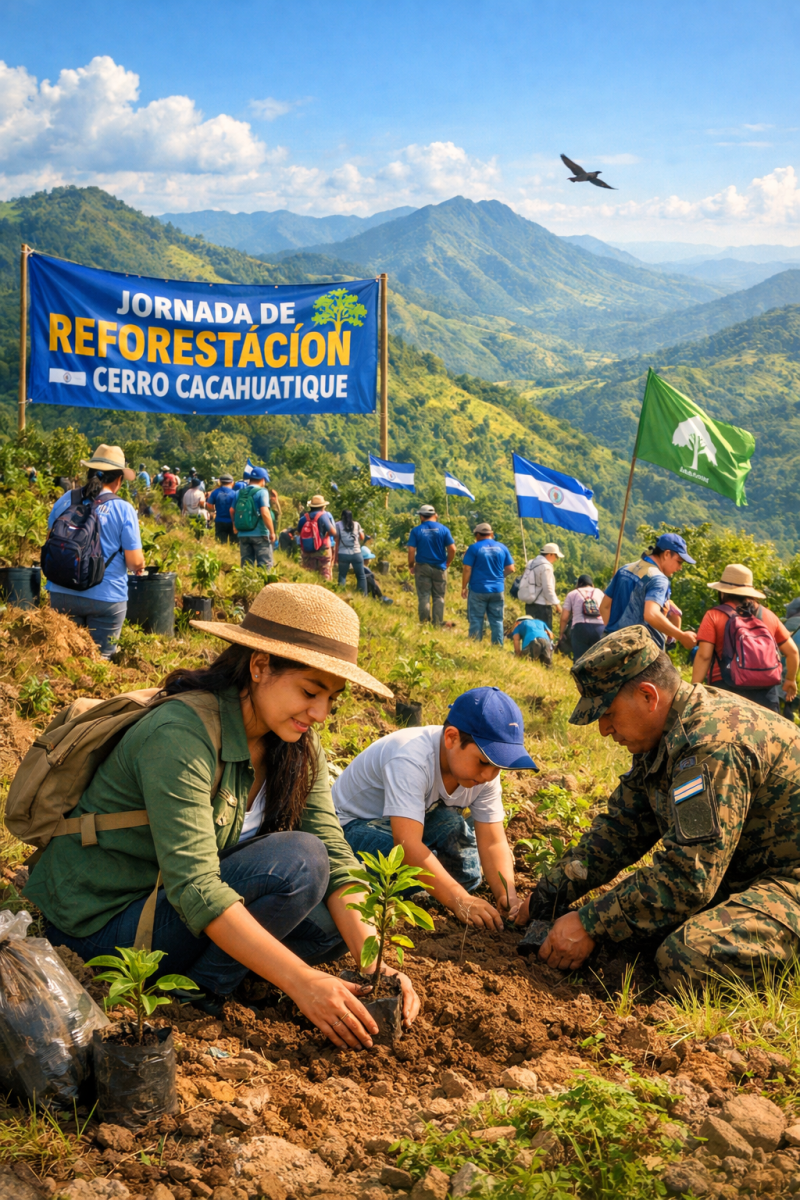
    An AI-generated image created for Our Life in El Salvador.

    Cerro El Marrano: Protecting a Forest While Opening a New Path for Tourism

    How conservation, community participation, and responsible tourism could transform one of Chalatenango’s protected forests

    El Salvador’s tourism growth is often associated with its beaches, volcanoes, and historic towns. However, some of the country’s greatest potential can be found in places that remain largely unknown outside their surrounding communities.

    Cerro El Marrano, located in the district of San Ignacio in Chalatenango Norte, is one of those places.

    According to a report published today by Diario El Salvador, Plan Trifinio believes the protected forest could become an important nature-tourism destination. Its wooded trails, panoramic views, natural water sources, and mountain setting offer the foundation for something special.

    The proposal is not simply about attracting visitors. It is about protecting the forest while creating new opportunities for the people who have helped care for it.

    A Protected Forest in the Chalatenango Highlands

    The protected area of Cerro El Marrano covers 261 hectares of privately owned land. Luis Posada, an agroforestry technician with the Trifinio Transboundary Biosphere Reserve Protection Project, explained that the area has been protected since the project began in 2023.

    The mountain contains a mixed forest where pine, cypress, and oak trees are among the most common species. The forest has an estimated density of approximately 2,000 trees per hectare.

    That figure gives some idea of how rich and important this area is.

    Cerro El Marrano is also located within a water-recharge zone. Its forests help rainwater enter the soil and replenish the natural sources that surrounding communities depend upon.

    Trees also capture carbon, help regulate temperatures, and reduce some of the effects of climate change. These are sometimes called ecosystem services, but in everyday terms, they represent the many ways a healthy forest quietly supports human life.

    It protects the water, cools the air, holds the soil together, and provides a home for plants and wildlife.

    Conservation Supported by the Community

    One of the most encouraging parts of this project is the direct involvement of local residents.

    People from the surrounding communities participate in forest-protection work and receive a combined annual economic incentive of $10,631. The funds support practical conservation activities, including maintaining and clearing trails, creating internal firebreaks, inspecting protective signs, and conducting patrols.

    This work is especially important in a region that can be vulnerable to forest fires during the dry season.

    Cerro El Marrano suffered a serious forest fire in 2023. That history makes the current prevention work even more meaningful. Protecting the mountain requires more than declaring it a conservation area. It demands constant attention from people who understand the land and can recognize threats before they become disasters.

    The project also shows why environmental protection is stronger when local communities receive a direct benefit. The people living closest to the forest are not being treated as outsiders. They are becoming active partners in its protection.

    Trails Leading to Remarkable Views

    Plan Trifinio is now preparing a strategic tourism proposal that would include local communities and the private owners of the protected land.

    Ignacio Rivera, technical assistant for the project’s territorial coordination, explained that the goal is to connect the community with the forest’s tourism potential.

    Cerro El Marrano already has two trails that could be developed as challenging or extreme routes. One follows a principal path through the middle section of the forest. Another provides views toward several of the most impressive natural landmarks in the region.

    From the mountain, visitors can see the Peñón de Cayaguanca, El Pital, and the mountains of neighboring Honduras.

    These views give Cerro El Marrano something that cannot be created through construction or advertising. The natural landscape is already there. The challenge is to make it safely accessible without damaging the environment that makes it worth visiting.

    The proposal could also connect visitors with camping areas, guided forest walks, hiking routes, and a trail leading to a natural water source known as El Salto de las Golondrinas.

    Together, these attractions could turn the forest into an appealing destination for hikers, campers, birdwatchers, photographers, and travelers looking for a quieter experience of El Salvador.

    Tourism That Benefits the People Who Live There

    Tourism can bring opportunity, but its success should not be measured only by visitor numbers.

    For Cerro El Marrano, the real measure will be whether tourism helps protect the forest and improves life within the surrounding communities.

    A carefully developed destination could create work for local guides, food vendors, transportation providers, farmers, small lodging businesses, and artisans. Visitors who spend a day hiking may also purchase meals, local products, or stay overnight in nearby communities.

    This is how a natural attraction can support a wider local economy.

    Adilio Méndez, secretary of the Community Development Association of the Santa Rosa canton, told Diario El Salvador that conserving the forest is important and that the tourism proposal could benefit both the community and Salvadoran and international visitors.

    His words point to the balance that will be needed. The forest should be opened carefully, with the people of the area helping decide how tourism develops and how its benefits are shared.

    Another Side of El Salvador’s Tourism Story

    Cerro El Marrano fits naturally into the growing tourism identity of northern Chalatenango.

    San Ignacio, La Palma, Río Chiquito, El Pital, and Cayaguanca already attract visitors because of their cool climate, mountain landscapes, agriculture, handicrafts, and small hotels and restaurants. A protected forest offering more challenging hiking routes could add something different to that regional experience.

    It could also encourage visitors to stay longer instead of making only a short trip to one familiar destination.

    El Salvador is a small country, but its landscape changes considerably within a short distance. A traveler can visit the Pacific coast and then find cool mountain air, pine forests, and views across an international border only a few hours later.

    That variety is one of the country’s strongest tourism advantages.

    Protect First, Then Welcome Visitors

    Cerro El Marrano has clear potential, but development should proceed carefully.

    Trails need to be marked and maintained. Guides should be trained. Fire-prevention measures must remain a priority. Waste management, visitor limits, emergency procedures, and protection of water sources should form part of the tourism plan from the beginning.

    The mountain should not be changed to resemble a conventional recreational park. Its value comes from being a living forest.

    The goal should be to help visitors experience the landscape while leaving as little impact as possible.

    If Plan Trifinio, the landowners, and local communities can maintain that balance, Cerro El Marrano could become a good example of responsible rural tourism—one in which conservation and economic opportunity strengthen each other.

    A Forest Worth Discovering—and Protecting

    Cerro El Marrano may not yet be one of El Salvador’s best-known destinations, but that could become part of its appeal.

    Its trails, trees, mountain views, and natural water source offer visitors a chance to experience a quieter side of the country. More importantly, its development could show how tourism can grow without placing the environment second.

    The forest has already been giving something valuable to the surrounding communities through its water, climate regulation, and natural resources. With thoughtful planning, tourism could provide an additional benefit while strengthening the reason to protect it.

    Sometimes the next important destination does not need to be built. It only needs to be cared for, understood, and opened responsibly to those willing to walk its trails.

    Based on reporting by Walter Solórzano for Diario El Salvador, published July 19, 2026.

  • Open Skies, New Horizons: El Salvador’s Rise as a Regional Air Hub

    An AI-generated image created for Our Life in El Salvador. New European routes, airport investment, and growing passenger traffic are changing how El Salvador connects Central America with the world.

    For much of its modern history, El Salvador was viewed mainly as a destination at the end of a flight. Travelers arrived to visit family, explore the country, or conduct business, but relatively few considered the nation an important connecting point for the wider region.

    That picture is beginning to change.

    El Salvador is entering a new stage in its aviation history—one defined by greater openness, new international routes, modern infrastructure, and growing confidence from airlines. The country’s open-skies approach is helping transform the International Airport of El Salvador from a national gateway into an increasingly important regional hub.

    This is about more than adding flights to an airport schedule. It is about changing El Salvador’s place on the map.

    An Aviation Policy That Opens More Than Airspace

    An open-skies policy creates conditions that make it easier for airlines to establish routes, increase frequencies, and respond to passenger demand. When those policies are supported by security, reliable infrastructure, and an expanding tourism industry, the results can reach far beyond aviation.

    More flights can bring more tourists, business travelers, investors, and members of the Salvadoran diaspora. They can also give local companies better access to international markets and make El Salvador more attractive to organizations considering regional operations.

    Diario El Salvador describes the country’s airspace as an increasingly important gateway for tourism, business, and investment. That description reflects what is now happening: airlines are not simply passing through El Salvador. They are making long-term decisions to include the country in their international networks.

    Europe Is Moving Closer

    The expansion of connections with Europe is one of the clearest signs of this transformation.

    Air Europa plans to begin direct service between Madrid and El Salvador on December 17, 2026, with three weekly flights. With its arrival, El Salvador is expected to have four airlines offering European connections: Iberia, Avianca, Iberojet, and Air Europa. Madrid also provides passengers with access to a much larger network of destinations throughout Europe and parts of Africa.

    Iberojet is also expanding the country’s European options with direct service connecting San Salvador with Madrid and Barcelona. The Barcelona route is especially significant because it gives El Salvador another entry point into Europe, rather than concentrating nearly all direct connectivity through Madrid.

    Avianca returned to the San Salvador–Madrid market in June with a seasonal service scheduled through September 15. The route operates four times each week and provides approximately 35,000 seats during its summer schedule.

    Ten years ago, having four airlines connecting El Salvador with Europe would have been difficult to imagine. Today, it represents increasing competition and passenger choice.

    Every New Route Carries a Human Story

    It is easy to discuss aviation only in terms of destinations, frequencies, and passenger totals. However, every flight carries its own collection of personal stories.

    There are Salvadorans returning home to see parents, children, and grandchildren. There are tourists arriving to experience the beaches, volcanoes, historic communities, and cultural traditions they have seen online. There are business leaders exploring investment opportunities and students traveling abroad for education or professional training.

    For the Salvadoran diaspora, direct flights can shorten an already emotional journey home. For European travelers, they remove some of the uncertainty and inconvenience of changing aircraft in another country. For local businesses, better connectivity can make international markets more easily within reach.

    Each route, therefore, represents more than transportation. It represents a relationship between El Salvador and another part of the world.

    The Passenger Numbers Support the Growth

    This progress is not based only on plans and announcements.

    The International Airport of El Salvador handled more than 5.2 million passengers during 2025. By the middle of June 2026, another 2.2 million passengers had already passed through the terminal. These numbers show that the airport is serving not only visitors entering and leaving the country but also a substantial number of travelers making regional and international connections.

    According to Diario El Salvador, the country expects to be connected with more than 35 international destinations by the end of 2026, including seasonal and year-round services.

    Seasonal routes also serve an important purpose. They allow airlines to test demand during busy travel periods before deciding whether a route can support permanent service. What begins with a few flights during the summer or holiday season may eventually become a year-round connection.

    Infrastructure Must Grow With the Traffic

    Airlines do not choose their operating centers based only on geography. They look for dependable infrastructure, efficient passenger processing, strong safety procedures, reasonable operating conditions, and an airport capable of handling growth.

    El Salvador has continued investing in its principal airport through terminal improvements, expanded check-in facilities, modernization projects, migration improvements, cargo development, and the second stage of the airport’s expansion. CEPA has stated that these investments are intended to strengthen the country’s position as an accessible and competitive international air hub.

    This part of the story may not attract as much attention as the announcement of a new route, but it is the foundation that makes those routes possible.

    A modern airport must do more than look impressive. Passengers need to move through immigration, baggage claim, security, and connecting gates without unnecessary delays. Airlines need reliable ground services, maintenance support, cargo facilities, and dependable scheduling.

    The continued growth of the airport will depend on maintaining those standards as passenger traffic increases.

    Becoming Northern Central America’s Connecting Point

    El Salvador’s central location gives it a natural advantage. Travelers arriving in the country can connect with Guatemala, Honduras, Nicaragua, Costa Rica, Mexico, the Caribbean, the United States, South America, and now a growing number of European services.

    Boris Iraheta, secretary general of the Central American Tourism Promotion Agency, has described El Salvador as one of the region’s principal hubs for connectivity, alongside Panama. He has also emphasized that increased connectivity can help visitors combine several Central American countries into a single trip.

    That regional role is important. A visitor arriving from Spain may spend several days in El Salvador before continuing to Guatemala or Honduras. Another traveler may connect in San Salvador on the way to South America or the United States.

    In this way, El Salvador benefits not only from travelers whose final destination is the country but also from those who use it as their entry point to northern Central America.

    Why This Moment Matters

    Aviation is economic infrastructure.

    A new flight can help fill rooms at hotels and restaurants, rental vehicles, tour companies, and local transportation services. It can support airport workers, maintenance technicians, immigration personnel, travel agencies, and cargo operators. It can also encourage businesses to consider El Salvador when choosing where to locate regional offices or organize international events.

    The country’s improved security situation has also changed how many travelers and companies evaluate El Salvador. Combined with airport modernization, tourism promotion, and policies encouraging international connectivity, that change has given airlines more confidence to expand their presence. CEPA has linked the arrival of the new European service to progress in security, infrastructure, tourism, and investment.

    Surf City’s international recognition, growing interest in cultural destinations, and the steady increase in foreign visitors are helping create the passenger demand needed to support these routes.

    Growth Still Has to Be Earned

    Becoming a regional hub is not something a country achieves through announcements alone.

    The real test will be whether new routes remain successful after their first season, whether airport services continue improving, and whether infrastructure keeps pace with passenger growth. Competitive fares, dependable schedules, efficient connections, and a positive passenger experience will all matter.

    It will also be important for the economic benefits to extend beyond the airport. Travelers passing through El Salvador should be encouraged to leave the terminal, stay for several days, visit different parts of the country, and support local communities.

    A connecting passenger is valuable. A connecting passenger who becomes a visitor is even more valuable.

    A Country Looking Up

    Having lived in El Salvador since 2011, I remember when international travel options were far more limited. Seeing several airlines now compete to connect the country with Europe is a change that is difficult to overlook.

    For years, El Salvador’s aviation story was shaped by its small size and limited international role. Today, the country is steadily becoming a place where travelers arrive, depart, and connect to destinations across several continents.

    The transformation reflects something larger taking place in El Salvador—a movement toward greater confidence, modernization, and international visibility.

    Open skies alone do not create success. They must be supported by security, infrastructure, good service, sound planning, and continued passenger demand. El Salvador appears to be bringing those pieces together.

    The country is no longer simply opening its skies.

    It is opening new possibilities.

    If you enjoy stories about El Salvador’s culture, development, tourism, and transformation, please consider Subscribeing, liking, commenting, and sharing this article.

  • El Salvador and the World Food Programme: A Stronger Alliance for a More Resilient Future

    AI-generated image created for Our Life in El Salvador. Salvadoran farmers and agricultural specialists work together to strengthen food security and prepare communities for changing climate conditions.

    Preparing communities, protecting food security, and facing climate challenges before they become emergencies

    Food security is one of those subjects that can sound distant until we stop and consider what it really means. It means whether farmers can produce enough food, whether families can afford to place nutritious meals on the table, and whether communities can recover when droughts, floods, or other emergencies disrupt their lives.

    For El Salvador, these questions are especially important. Much of our country remains vulnerable to changing weather patterns, particularly in rural areas where families depend on agriculture for their income and food.

    That is why the visit of Carl Skau, interim executive director and chief operating officer of the United Nations World Food Programme, deserves attention. Skau is visiting El Salvador to review existing projects, meet with communities, and strengthen cooperation between the organization and the Salvadoran government.

    This is more than another official visit. It reflects a shared effort to prepare for future challenges before they become full emergencies.

    A Partnership Built Around Long-Term Goals

    The World Food Programme, commonly known as WFP, has worked with El Salvador for many years. Its role extends far beyond distributing food during emergencies. The organization also helps countries strengthen their institutions, improve social protection programs, support small farmers, and prepare communities for natural disasters.

    Much of the current work falls under the 2022–2027 Strategic Plan developed by WFP and the Government of El Salvador. The plan was approved with a budget of $129.2 million and was created with the participation of more than 15 Salvadoran institutions.

    Its purpose is to improve food security while building the country’s ability to address the underlying causes of hunger and vulnerability.

    The plan places special attention on women, young people, returning migrants, and communities that need more opportunities to develop sustainable livelihoods. It also supports the creation of a more integrated and inclusive social protection system.

    This is important because food insecurity rarely has just one cause. A failed harvest, loss of employment, rising food prices, or damage caused by a storm can quickly place a family in a difficult position. When national and local systems work together, assistance can reach those families more quickly.

    Preparing for a Possible Strong El Niño

    One of the most urgent subjects surrounding Skau’s visit is the possibility of a powerful El Niño weather event.

    International organizations have warned that El Niño could intensify during the second half of 2026 and continue affecting weather conditions into 2027. The possible consequences include drought in some regions, heavy rains and flooding in others, and serious disruptions to agricultural production.

    Central America is among the regions facing increased risk, and El Salvador’s portion of the Dry Corridor is especially vulnerable. Families living in these areas often depend on small farms that can be severely affected when the rains arrive late, stop too early, or become unpredictable.

    Skau has emphasized the importance of acting before a crisis begins. That means helping farmers prepare, sharing climate information, strengthening early-warning systems, and ensuring that government institutions and local communities know how to respond.

    This kind of preparation may not receive as much attention as emergency food deliveries after a disaster. However, it can save crops, protect incomes, and prevent families from reaching the point where emergency assistance becomes their only option.

    Helping Farmers Protect Their Livelihoods

    For small agricultural producers, resilience must be practical.

    It can mean learning farming techniques that require less water, using seeds better suited to dry conditions, improving soil conservation, or changing planting schedules based on updated weather information. It can also mean diversifying crops so that the loss of one harvest does not destroy an entire family’s income.

    Technical support is already reaching producers in vulnerable communities. The goal is to help them continue producing food even when weather conditions become difficult.

    This matters throughout the country, but especially in rural areas where agriculture remains closely connected to family survival. A damaged harvest affects more than the farmer. It affects workers, local markets, transportation, food prices, and everyone who depends on that agricultural activity.

    Strengthening these producers helps strengthen the wider food system.

    Three Main Areas of Cooperation

    The partnership between El Salvador and WFP centers on three important areas.

    Emergency Preparedness

    El Salvador faces several natural threats, including droughts, floods, tropical storms, landslides, earthquakes, and volcanic activity. Preparing national and local institutions to respond quickly can reduce both human suffering and economic losses.

    Early-warning systems, emergency planning, and improved coordination allow help to arrive where it is needed before conditions become worse.

    Community Resilience and Food Security

    Long-term resilience comes from giving communities the knowledge and tools to protect themselves.

    This includes technical assistance for farmers, support for sustainable livelihoods, stronger local organizations, and better access to social protection programs. The objective is not simply to help people recover from one emergency, but to leave them better prepared for the next challenge.

    School Feeding Programs

    School meals are another important part of WFP’s global work. A dependable meal can improve a child’s nutrition while also encouraging regular school attendance and supporting the ability to learn.

    When school feeding programs purchase food from local producers, the benefits can extend even further. Children receive nutritious meals, farmers gain a reliable market, and money remains within the surrounding communities.

    These three areas work together. Emergency planning protects people during a crisis, resilience programs reduce future vulnerability, and school meals support the health and education of the next generation.

    El Salvador as Both a Partner and a Contributor

    Another interesting part of Skau’s visit is the discussion about what El Salvador may be able to share with other countries.

    He is expected to meet with President Nayib Bukele and other government officials to discuss existing projects, future cooperation, and the experience El Salvador has gained in managing national challenges.

    This represents an important change in the country’s international role. El Salvador is not only receiving technical support. It is also developing experience that may prove useful to other nations facing similar problems.

    Small countries are sometimes treated as though they have little to contribute to global discussions. However, size does not determine the value of a country’s experience. El Salvador understands the difficulties of limited land, dense communities, rural poverty, changing weather patterns, and repeated exposure to natural disasters.

    Lessons learned here may help other countries with many of the same conditions.

    Finding Resources for the Work Ahead

    Good plans require financing.

    Part of Skau’s responsibility is to review the results of existing programs and present that progress to international donors. Demonstrating that projects are producing measurable benefits can help attract additional resources for future work.

    That will become increasingly important as humanitarian needs grow around the world. WFP must respond to conflicts, displacement, economic instability, and climate-related emergencies in many countries at the same time. At the same time, the organization faces pressure on the resources available to carry out its work.

    El Salvador must therefore use international support carefully, show results, and continue strengthening its own national capacity.

    A successful partnership should not create permanent dependence. It should give a country the tools, knowledge, and systems needed to protect its people more effectively.

    Preparing Today for the Challenges of Tomorrow

    Climate threats do not always arrive suddenly. Sometimes the warning signs appear months in advance.

    Rainfall projections change. Rivers begin to fall. Planting seasons become uncertain. Farmers notice changes in the soil and weather long before the effects appear in national statistics.

    The real test is whether we listen to those warnings and act in time.

    The strengthened partnership between El Salvador and the World Food Programme shows an understanding that preparation is better than waiting for a crisis. It brings together international experience, national institutions, local knowledge, and the daily work of farmers and communities.

    For me, that is the most important part of this story. Resilience is not created in a conference room alone. It is built in the field where a farmer plants corn, in the school where a child receives a meal, and in the community where people learn how to protect one another when conditions become difficult.

    El Salvador still faces real challenges, but it is preparing, learning, and strengthening the systems that protect its people. At the same time, it is becoming more willing to share its own experience with the wider world.

    That is what a strong international partnership should accomplish.

    Sources: Reporting from Diario El Salvador, the United Nations World Food Programme, and the Ministry of Foreign Affairs of El Salvador.

    If you enjoy stories about El Salvador’s growth, economy, tourism, culture, environment, and continuing transformation, please like, comment, and share this article.

  • Suchitoto at 168: A City That Still Teaches Us How Identity Endures

    AI-generated illustration of Suchitoto’s 168th anniversary celebration.

    Reflections on history, culture, and the quiet strength of a Salvadoran town

    On July 15, Suchitoto marked 168 years since it officially received the title of city. In many places, an anniversary like this might pass with a ceremony, a few speeches, and perhaps a parade. In Suchitoto, however, the occasion carries a deeper meaning.

    This is a community where history remains visible in the cobblestone streets, traditional homes, churches, public squares, and customs passed from one generation to the next. Its anniversary is more than a date on the calendar. It is an opportunity to remember how the town arrived at this point and consider where it is going next.

    As reported by Diario El Salvador, the celebration brought together history, community pride, young people, public officials, and plans for continued development. It showed why Suchitoto remains one of El Salvador’s most important cultural destinations.

    A Dawn That Honored the Past

    The anniversary began early. At 5 a.m., 168 cannon salutes echoed through the city, one representing each year since Suchitoto received its official city title.

    The morning also included the raising of the national and municipal flags, along with the placement of a wreath at the El Trifinio monument. These ceremonies connected the city’s present with the generations that came before.

    Although Suchitoto has held the title of city for 168 years, its history reaches much further back. Mayor Carlos Sánchez reminded those attending the ceremony that the area’s roots extend back approximately 500 years. Long before its formal recognition as a city, Indigenous communities lived in the region and struggled to defend their land, dignity, and freedom.

    The anniversary, therefore, was not simply a celebration of an official designation. It recognized the much longer story of the people whose lives, sacrifices, and traditions shaped the community.

    History is often discussed as if it belongs only in museums and textbooks. In Suchitoto, it remains part of everyday life.

    Young People Carrying Tradition Forward

    Later in the morning, students filled the streets in a colorful parade toward the central square. Peace bands, traditional characters, municipal authorities, families, and community members all participated in the celebration.

    Young people play an especially important role in events like this. Traditions survive only when a new generation understands their meaning and chooses to carry them forward.

    When children and teenagers march through the same streets traveled by their parents and grandparents, they become part of a continuing story. They aren’t simply watching history from the sidelines. They are helping preserve it.

    Suchitoto’s parades have a character of their own. They bring music, color, and movement into streets already filled with history. The old buildings provide the setting, but the young people give the celebration its energy and future.

    That balance between generations is one of Suchitoto’s greatest strengths.

    The City of the Pájaro Flor

    Suchitoto is often called La Ciudad del Pájaro Flor, or the City of the Flower Bird. It is a poetic name that fits a place known for its combination of history, nature, art, and culture.

    Visitors come to walk its cobblestone streets, admire the Church of Santa Lucía, explore its galleries and museums, and enjoy views of Lake Suchitlán. The town also offers traditional food, locally made crafts, cultural events, and a slower pace that allows people to appreciate their surroundings.

    El Salvador’s Ministry of Tourism describes Suchitoto as the site of the country’s first capital, established in the area around 1528. Today, it remains one of the country’s best-known cultural destinations, located only about 47 kilometers from San Salvador. El Salvador Travel

    Suchitoto is now part of the municipality of Cuscatlán Norte following the country’s municipal reorganization. Political boundaries and administrative structures may change, but the town’s cultural identity remains strong.

    Mayor Sánchez emphasized that Suchitoto continues to enchant Salvadorans and foreign visitors. He also noted that, as tourism changes throughout El Salvador, Suchitoto is participating in that transformation.

    That is easy to understand. The improvements in security and the growth of tourism have allowed more people to explore parts of El Salvador that they may once have avoided. Suchitoto offers something especially valuable within that growth: an authentic connection to the country’s cultural heritage.

    Tourism Without Losing Identity

    Tourism can bring employment, investment, and opportunity. It can support restaurants, hotels, guides, artists, transportation providers, small shops, and families who sell local products.

    However, growth also brings responsibility.

    The qualities that attract people to Suchitoto are the same qualities that must be protected. Visitors come because the town doesn’t look or feel like every other destination. They come for its architecture, traditions, history, views, and peaceful atmosphere.

    Development shouldn’t require a community to erase the character that made it special in the first place.

    So far, Suchitoto has demonstrated that tourism and cultural preservation can work together. Its historic appearance remains central to the visitor experience, while its artists, residents, and cultural organizations continue to keep local traditions alive.

    As tourism expands throughout El Salvador, Suchitoto can provide an important lesson: progress is strongest when it builds upon identity instead of replacing it.

    Progress Also Means Reliable Water

    The anniversary celebration didn’t focus only on history and tourism. Municipal officials also discussed projects designed to improve everyday life for local families.

    Two important drinking-water projects have already been completed, while a third is underway. Seven additional projects are pending with support from Spanish cooperation.

    Water infrastructure may not receive the same attention as a parade, a restored building, or a new tourism project, but its impact on families can be far greater.

    Reliable access to clean drinking water improves health, saves time, supports local businesses, and reduces one of the most difficult burdens faced by rural and semi-urban communities. A project that brings dependable water into a home can change nearly every part of a family’s daily routine.

    Spanish cooperation has supported several water and sanitation improvements in Suchitoto. One project announced in 2025 was designed to benefit more than 1,000 people in six communities. The work included improving the efficiency and sustainability of the local water-supply system. Spanish Agency for International Development Cooperation

    These projects demonstrate that preserving cultural heritage and improving essential services don’t have to be competing goals. A town can protect its history while giving its residents a better quality of life.

    In fact, the two efforts should go together. Heritage has little meaning if the people responsible for maintaining it are left without reliable basic services.

    Why Suchitoto Matters Beyond the Anniversary

    Suchitoto’s 168th anniversary reminds us of several things that make Salvadoran communities special:

    • An identity that survives political and territorial changes
    • Traditions shared by young people and older generations
    • A cultural landscape where history and nature exist together
    • Tourism that creates opportunity while respecting local character
    • Community development that addresses the practical needs of families

    El Salvador is changing rapidly. Roads, parks, tourism destinations, public spaces, businesses, and communities are being transformed across the country.

    That progress is important, but Suchitoto reminds us that modernization doesn’t have to mean forgetting where we came from.

    A country needs places that hold its memories. It needs communities where people can still see the connection between earlier generations and the lives being lived today.

    Suchitoto is one of those places.

    A City Still Living Its History

    When the cannon salutes ended and the student parade left the central square, everyday life continued. Shops opened, families went about their business, and visitors walked through the historic streets.

    That may be the most meaningful part of the anniversary.

    Suchitoto’s history isn’t something taken out only for special occasions. It remains present in the buildings, customs, artwork, music, food, and people who call the town home.

    For readers of Our Life in El Salvador, this anniversary offers an opportunity to appreciate the quiet strength of Salvadoran towns. They are more than tourism destinations. They are living records of memory, struggle, resilience, and identity.

    At 168 years as a city, Suchitoto continues to welcome visitors, preserve its traditions, improve life for its families, and remind us that history isn’t simply something we store away.

    It is something we continue to live.

    If you enjoy stories about El Salvador’s history, culture, tourism, economy, environment, and continuing transformation, please like, comment, and share this article.

  • German Business Leaders Turn Toward El Salvador: Why This Moment Matters

    German and Salvadoran business leaders explore opportunities in tourism, energy, infrastructure, and urban development.

    A new investment mission brings German business leaders to El Salvador to explore opportunities in tourism, real estate, energy, technology, and infrastructure.

    El Salvador continues to attract the attention of foreign investors—not simply as a curiosity, but as a country they believe deserves a closer look.

    A delegation of German business leaders is visiting El Salvador to examine opportunities in tourism, real estate, financial technology, energy, infrastructure, and urban development. During their visit, the representatives are meeting with government institutions and members of the private sector while touring several of the country’s most important development areas.

    The mission is exploratory, and there is no guarantee that every conversation will result in a new project. However, visits like this matter. Serious investment usually begins with people coming into the country, seeing the changes for themselves, meeting local leaders, and deciding whether the opportunities match what they have been hearing.

    For me, this visit carries a special personal meaning. I lived in Germany for five years during the early 1970s while serving in the United States Army. The Germany I knew valued precision, engineering, reliability, and long-term planning. Seeing German business leaders now evaluating El Salvador tells me that our country is being noticed in places where decisions are usually made carefully.

    A Mission With a Clear Purpose

    According to Diario El Salvador, the delegation was organized through the Internationaler Wirtschaftsrat, or International Economic Council, which supports the international expansion of German small- and medium-sized businesses.

    Germany’s small- and medium-sized companies form an important part of its economy. Many are highly specialized businesses with experience in manufacturing, engineering, technology, energy, finance, and professional services.

    That makes the range of sectors being explored in El Salvador especially interesting. The delegation is not focused on a single hotel, piece of land, or isolated project. Its representatives are looking at several parts of the economy, including:

    • Tourism and hospitality
    • Real estate and urban development
    • Financial technology
    • Energy and backup-power systems
    • Infrastructure and innovation
    • Trade and foreign-investment opportunities

    The visitors are also expected to meet with institutions such as INVEST, the Ministry of Tourism, and the Secretariat of Innovation, along with private-sector representatives. Their itinerary includes the Historic Center of San Salvador and Surf City, two areas that demonstrate different sides of the country’s transformation. Dinero.com.sv reports that the mission grew from interest in El Salvador’s tax incentives, investment laws, and changing economic environment.

    This is more than a presentation inside a conference room. The delegation is being given an opportunity to see the country on the ground.

    Tourism Opens the First Door

    Tourism appears to be one of the strongest areas of interest.

    Minister of Tourism Morena Valdez and El Salvador’s ambassador to Germany, Florencia Vilanova, presented the Surf City strategy to the visiting executives. The discussions included the need for additional hotel accommodations and private tourism infrastructure.

    Surf City has given El Salvador an international identity that reaches far beyond surfing. It has helped draw attention to the coastline, but it also opens the door to conversations about hotels, restaurants, transportation, recreation, and services.

    The German visitors are reportedly looking beyond the most familiar beaches. Their interests also include adventure tourism, culturally distinctive towns, the Historic Center of San Salvador, and possible development in the eastern part of the country.

    This is important because El Salvador’s tourism potential does not belong to one region alone. Our beaches may attract the first attention, but the country also offers mountains, lakes, historic communities, archaeological sites, food, traditions, and natural areas within a relatively short distance of one another.

    European visitors looking for nature, culture, and authentic experiences may find much of what they are seeking here.

    Why El Salvador Is Receiving This Attention

    Foreign investors consider many factors before committing their capital. Incentives may attract attention, but they are rarely enough by themselves.

    Secretary of Commerce and Investment Miguel Kattán emphasized the importance of public safety, legal stability, and the strength of the financial system. These are practical concerns for any company considering a long-term commitment in another country.

    Security has changed what is possible in El Salvador. Places that investors and visitors may once have avoided can now be evaluated with greater confidence. Tourism projects can be considered in more communities, businesses can operate in areas that were previously difficult to reach, and international visitors can travel through the country with a different sense of freedom.

    Legal stability and clear investment procedures are equally important. A company may be impressed by a beach, a building, or a business proposal, but before investing, it must understand the laws, taxes, permits, financing, and protections involved.

    The country must continue working in all these areas. Attracting a delegation is one accomplishment; turning that interest into responsible projects, jobs, and lasting partnerships is another.

    Who Is Part of the Delegation?

    The companies identified in the report demonstrate the variety of interests represented during the mission.

    Alexander Knopf, CEO of Alcendo GmbH, represents a company involved in real estate and financial projects. Mario Fritsch, CEO of FS-Notstromservice GmbH, brings experience in backup-power solutions. Frank Herbrechter, chief financial officer of Deutsche Messe AG, represents one of Europe’s prominent trade-fair organizers.

    Deutsche Messe is especially interesting because it organizes major international exhibitions, including Hannover Messe, one of the world’s most important industrial and technology trade fairs.

    Its presence does not mean that a major exhibition or investment has already been secured for El Salvador. However, it places the country in conversation with people who understand international business networks, industrial technology, innovation, and global trade events.

    Sometimes the value of a delegation is not limited to the projects its members may develop themselves. It can also come from the connections they make and the story they carry home.

    A Relationship That Already Has a Foundation

    This visit does not begin from nothing.

    Germany and El Salvador have maintained diplomatic, commercial, educational, and development ties for many years. Germany is one of El Salvador’s important European trading partners and a major buyer of Salvadoran coffee. German organizations have also participated in development programs, education, cultural exchanges, and community projects throughout the country. The two nations have a bilateral agreement covering the protection and promotion of investments, according to the German Federal Foreign Office.

    That existing relationship gives today’s business discussions a stronger foundation. The delegation is not discovering a country with no connection to Germany. It is examining how an established relationship might grow into new areas.

    Germany as I Remember It

    Living in Germany during the early 1970s gave me an appreciation for the country and its people.

    By then, West Germany had already emerged from the destruction of World War II as one of the world’s major industrial economies. You could see its progress in the roads, factories, cities, and transportation systems. You could also see it in the way people approached their work.

    There was a sense of order, discipline, and careful planning. German engineering had earned a reputation for quality because reliability was not treated as a slogan. It was built into the way products were designed and businesses were operated.

    That experience shapes how I see this delegation.

    German business leaders are not coming to El Salvador merely because the country is receiving attention on social media. They are here to examine the conditions, ask questions, meet decision-makers, and determine whether real opportunities exist.

    Their interest does not by itself prove that El Salvador has completed its transformation. It does show that the transformation has become significant enough to warrant serious examination.

    What Could This Mean for El Salvador?

    If these conversations eventually lead to investment, several areas could benefit.

    More tourism infrastructure

    New hotels, accommodations, restaurants, and tourism services could help the country receive more international visitors. Development should be planned carefully so that it also benefits surrounding communities and protects the places people are coming to experience.

    Broader real estate development

    Interest in the coast, the eastern region, and the Historic Center could diversify where investment takes place. It could also create opportunities for construction companies, architects, suppliers, and local workers.

    More dependable energy systems

    Backup-power technology and reliable energy infrastructure are important for hotels, hospitals, factories, technology companies, and other businesses. This is especially relevant in a country where interruptions in electrical service can still create problems.

    New technology and financial services

    El Salvador has worked to present itself as open to financial technology and digital innovation. German companies with specialized knowledge could bring valuable experience, but new projects must solve real problems and provide practical benefits.

    Stronger connections to Europe

    Perhaps the greatest long-term benefit would be a stronger business bridge between El Salvador and Germany. One successful partnership can lead to another. Investors talk to other investors, and companies are more willing to enter a market when trusted partners already have experience there.

    Interest Is Only the Beginning

    It is easy to become excited when an international delegation arrives, but the most important work begins after the meetings and photographs are over.

    El Salvador must follow up. Investment proposals must be evaluated carefully. Agreements should be transparent, environmentally responsible, and beneficial to the country. Communities should not be left out of projects that affect their land, resources, or future.

    Foreign investment can bring jobs, knowledge, technology, and new opportunities. However, the best investment is not measured only by how much money enters the country. It is measured by what remains: stronger businesses, trained workers, dependable infrastructure, and communities that share in the progress.

    A Sign of Changing Perceptions

    For many years, El Salvador was presented to the world mainly through stories about violence, migration, and poverty. Those problems shaped the country’s international image long after they stopped telling the whole story.

    That image is changing.

    Today, foreign delegations are coming to discuss tourism, technology, real estate, infrastructure, energy, and innovation. They are not simply asking what went wrong in El Salvador. They are asking what can be built here.

    For someone who lived in Germany and witnessed the strength of its industrial culture, this moment feels meaningful. A country known for careful planning and long-term business thinking is taking a serious look at a small nation undergoing a remarkable period of change.

    The German delegation has not arrived with a blank check, and we should not pretend that investment is guaranteed. What it has brought is something that must come first: serious attention.

    El Salvador is being evaluated as a possible long-term partner.

    And that alone tells us how much the conversation has changed.

    If you enjoy stories about El Salvador’s economy, tourism, culture, environment, and continuing transformation, please like, comment, and share this article.

    If you are drawn to true-life stories that explore how experience shapes the soul — confronting reality, searching for meaning, and discovering the quiet spiritual guidance that helps us endure — you may find resonance in my memoir, Harmony of the Cosmos, available now on Amazon and Goodreads.

    View Harmony of the Cosmos on Amazon

    Consigue la edición en español en Amazon:
    Edición en español en Amazon

  • Apulo Recreational Park Receives the Family Friendly Seal

    For generations, families from San Salvador and surrounding communities have traveled to Apulo to swim, relax, share a meal, and enjoy the natural beauty of Lake Ilopango. The park has long been part of the country’s recreational history, but it is now receiving recognition for the improvements that make it safer, more accessible, and more welcoming to everyone.

    Apulo Recreational Park, located along the shores of Lake Ilopango in San Salvador Este, has officially received the Family Friendly Seal. The Office of the First Lady, Gabriela de Bukele, promotes this recognition for public and private spaces that meet established standards for safety, accessibility, infrastructure, and services for families.

    This may sound like a simple certification, but it represents something much larger. It shows that family recreation is becoming an important part of El Salvador’s ongoing transformation.

    A Familiar Place With a Renewed Purpose

    Apulo has always had a special place in the memories of many Salvadorans. Families have visited the lake for weekend outings, school vacations, birthday celebrations, and quiet afternoons away from the city.

    Like many older recreational areas, however, Apulo needed improvements to meet today’s visitors’ expectations. Families want more than a beautiful location. They also need clean, secure facilities, trained employees, accessible walkways, safe swimming areas, and services that meet the needs of parents, children, older adults, and people with disabilities.

    Receiving the Family Friendly Seal confirms that Apulo has taken meaningful steps in each of these areas.

    According to the Office of the First Lady, the park stood out for offering high-quality aquatic recreation while maintaining the natural lakeside environment that has made the destination popular for so many years.

    Why Apulo Earned the Recognition

    The Family Friendly Seal is not awarded simply because a destination attracts families. A location must demonstrate that it has created an environment where people of different ages and physical abilities can participate comfortably and safely.

    Apulo met several important requirements, including clear and visible signs throughout the park. Good signage helps visitors locate swimming areas, restrooms, exits, medical assistance, and other services without confusion.

    The park also has trained personnel and security measures designed for family recreation. These details matter, particularly at a destination with swimming pools and direct lake access.

    Children can enjoy play areas and recreational experiences suited to different age groups. Parents with infants also have access to a private breastfeeding and nursing room.

    Marianna Montes, head of international affairs and cooperation, explained that Apulo now forms part of a larger “family-friendly ecosystem.” That description reflects a broader effort to connect parks, tourist destinations, public institutions, and businesses through shared standards of inclusion and care.

    Recreation for Children and Adults

    Marcela Rauda, director of parks at the Salvadoran Tourism Institute, or ISTU, highlighted the variety of attractions available at Apulo.

    The park offers swimming pools for children and adults, allowing families to enjoy the water in age-appropriate areas. Children also have designated play spaces where they can remain active and entertained.

    Apulo’s location beside Lake Ilopango adds another dimension to the experience. Visitors can enjoy the scenery, feel the breeze coming across the water, and spend time in a natural setting without traveling far from the capital.

    For many families, these public parks offer an affordable way to spend a full day together. Not everyone can travel to a private resort or take an expensive vacation. A well-maintained public destination can provide parents, children, and grandparents with a place to rest, play, and create memories without putting too much pressure on the family budget.

    That is one reason these improvements are so important.

    Accessibility Is Part of the Experience

    One of the strongest parts of Apulo’s recognition is its attention to accessibility.

    Wheelchairs are available for visitors who need them, and adapted paths make it easier for people with disabilities to move through the park. The same paths also help parents pushing baby strollers and older adults who may have difficulty walking across uneven ground.

    Accessibility should never be treated as an extra benefit. It determines whether every member of a family can participate in an outing or whether someone must remain behind.

    A family destination cannot truly be inclusive when a grandparent cannot reach the main attractions, when a child with a disability cannot use the facilities, or when a parent struggles to move a stroller through the park.

    By addressing these obstacles, Apulo becomes more welcoming to the entire family.

    Part of a Growing Network of Family-Friendly Destinations

    Apulo is now one of nine ISTU destinations to receive the Family Friendly Seal.

    That number shows that this is not an isolated project. El Salvador is gradually creating a network of public destinations guided by similar standards of security, accessibility, and family care.

    This effort fits with the country’s broader investment in parks, tourism infrastructure, historic sites, beaches, and community recreation. New construction often receives the most attention, but the restoration and improvement of familiar places can be just as meaningful.

    Many Salvadorans already know Apulo. They may have childhood memories of visiting the lake with their parents or grandparents. Improving the park allows those traditions to continue while giving a new generation a safer and more comfortable experience.

    Why Safe Family Spaces Matter

    Public recreation is about more than entertainment.

    Parks give children room to play outside. They allow parents to step away from work and daily responsibilities. They provide older family members with a place to relax and remain part of family activities.

    These shared spaces also strengthen communities. Families from different areas and backgrounds gather in the same location, enjoy the same attractions, and experience the country together.

    For international visitors, destinations such as Apulo reveal another side of El Salvador. Tourism is not limited to surf competitions, luxury hotels, volcanoes, or historic buildings. It also includes the everyday places where Salvadoran families live, gather, and enjoy their country.

    A safe and well-managed recreational park can leave visitors with a positive impression that is every bit as meaningful as a major tourist attraction.

    Progress That Families Can See

    National progress is often described through economic statistics, construction projects, investment announcements, or tourism totals. Those numbers are important, but families also measure improvement through everyday experiences.

    They notice when a public park feels safer.

    They notice when restrooms and recreational areas are properly maintained.

    They notice when employees are trained and ready to assist visitors.

    They notice when a mother has a private place to care for her baby, when a wheelchair is available, and when an older family member can move through the park without facing unnecessary barriers.

    These may appear to be small changes when viewed separately. Together, they can transform an ordinary family outing.

    A Note for My Readers

    Many people do not have time to keep up with the daily news from El Salvador. That is one reason I try to highlight stories that show what is changing across the country, particularly developments that affect families, travelers, local communities, and the quality of everyday life.

    Not every sign of progress arrives through a massive construction project or an international announcement. Sometimes it appears in a familiar park beside a lake, where better paths, safer facilities, trained employees, and thoughtful services allow more people to enjoy the day together.

    Apulo Recreational Park is more than another tourist destination receiving an official seal. It represents an effort to make public recreation safer, more inclusive, and more respectful of the different needs found within every family.

    For the parents watching their children play, the grandparents enjoying the lake view, and the visitors discovering Apulo for the first time, that effort can make all the difference.

    As El Salvador continues to improve its tourism destinations and public spaces, Apulo offers a simple yet meaningful example of what progress can look like: a place where everyone is welcome and no family member is left behind.

    If you enjoy stories about El Salvador’s growth, economy, tourism, culture, environment, and continuing transformation, please like, comment, and share this article.

  • El Salvador’s Bitcoin Embassy in Lugano: Building New Connections in Europe’s Financial Innovation Hub

    AI-generated image of El Salvador’s Bitcoin Embassy in Lugano, Switzerland.

    El Salvador has added another point to its growing international map, this time in Lugano, Switzerland.

    The Government of El Salvador officially opened an Honorary Consulate in Lugano. The Swiss city is known across Europe for financial technology, Bitcoin, and digital innovation.

    The National Bitcoin Office has branded the new office as a “Bitcoin Embassy.” However, in formal diplomatic terms, it remains an honorary consulate.

    That distinction matters. This is not a full Salvadoran embassy in the traditional sense. However, the way the office is presented says a great deal about El Salvador’s global ambitions. The country wants to be seen as innovative, internationally connected, and open to new forms of economic and technological cooperation.

    According to the National Bitcoin Office, the inauguration took place on July 1, 2026. El Salvador’s Ministry of Foreign Affairs called the opening a new stage in relations between the two countries. Language is a broader story involving diplomacy, education, investment, entrepreneurship, and opportunities for young Salvadorans.

    What Actually Opened in Lugano?

    The office inaugurated in Lugano is officially the Honorary Consulate of El Salvador in the Swiss canton of Ticino.

    Honorary Consul Giacomo Zucco leads the office. He is a longtime Bitcoin educator and advocate who has helped connect El Salvador with Lugano and international training programs.

    Vice Minister of Foreign Affairs Adriana Mira participated virtually in the inauguration. She said the consulate supports President Nayib Bukele’s effort to expand El Salvador’s international presence. It also aims to strengthen ties with countries and institutions focused on innovation, knowledge, and development.

    The Ministry of Foreign Affairs described Lugano as a major European center for finance, technology, education, and business. El Salvador sees the city as a strategic base for building stronger ties with Switzerland and the rest of Europe. The Lugano office serves two purposes.

    It is a traditional diplomatic step intended to strengthen international relations. The office also strengthens El Salvador’s Bitcoin identity. It connects the country to the growing digital economy.

    Why Lugano?

    Lugano is more than a beautiful Swiss city surrounded by mountains and overlooking a lake. In recent years, Lugano has become a major European meeting place for the Bitcoin community. Developers, investors, educators, entrepreneurs, and technology companies now gather there.

    The city’s Plan ₿ initiative has helped build that reputation. The annual Plan ₿ Forum brings together government officials, business leaders, technologists, and Bitcoin advocates. They discuss national adoption, financial freedom, economics, and decentralized technology.

    The 2026 forum will take place on October 23 and 24. Its continued growth shows how closely Bitcoin is tied to Lugano’s economic and technological identity. Uganda is therefore a natural place to establish this kind of presence.

    Both places have taken highly visible positions in the global Bitcoin conversation. Lugano has approached the subject as a city interested in digital payments, financial technology, and innovation. El Salvador has approached it at the national level, making Bitcoin part of its international identity and long-term economic discussion.

    The consulate creates a lasting connection between two places with similar technological goals.

    Education May Be the Most Important Part

    The words “Bitcoin Embassy” may attract the most attention. However, the educational opportunities could prove more important.

    Young Salvadorans have already participated in programs run by the Plan ₿ Network, including its Summer School. These initiatives provide training in subjects connected to Bitcoin, software development, financial technology, cryptography, and the digital economy.

    During the inauguration, Giacomo Zucco shared an encouraging result. He said 25 young Salvadorans had joined Plan ₿ Network education programs.

    Students from the 2026 Summer School also attended the ceremony. Their presence showed that this partnership is already producing real opportunities.

    A new office may make headlines. However, students who return home with valuable skills can create something far more lasting.

    For a country our size, education and talent development are among our most important resources. We cannot compete with larger nations in terms of population, territory, or financial power. We can compete by preparing young people to work in specialized fields. Where knowledge, creativity, and technical ability matter more than geography.

    A Salvadoran student who learns software development, cybersecurity, financial technology, or digital infrastructure does not have to remain limited to the local job market. That student can become part of an international economy while still contributing to El Salvador.

    In this sense, Lugano is not important simply because of its location. It is important because of the knowledge and international networks that Salvadorans can access there.

    From Bitcoin Adoption to Bitcoin Diplomacy

    El Salvador’s relationship with Bitcoin has changed since the original Bitcoin Law was passed in 2021.

    The country became the first in the world to adopt Bitcoin under a national legal framework. That decision brought enormous international attention—some supportive, some skeptical, and some openly critical.

    The law was amended in January 2025. The reforms made private-sector acceptance voluntary. They limited its use within the public sector. The changes also required taxes to be paid in United States dollars. Continues to play an important role in the way El Salvador presents itself internationally.

    The strategy is no longer limited to whether someone can use Bitcoin to purchase a product. It now includes education, conferences, digital asset regulation, technology companies, professional training, international partnerships, and efforts to attract entrepreneurs and investors.

    The Lugano consulate fits into this broader idea of Bitcoin diplomacy.

    It gives El Salvador a presence in a European city where developers, investors, researchers, and financial-technology companies already gather. It may also provide an institutional bridge for future educational programs, research partnerships, business relationships, and professional exchanges.

    A consulate alone cannot create investment or jobs. It can, however, open doors and introduce people who might otherwise never meet.

    What follows those introductions will determine whether the office becomes something meaningful.

    More Than a Bitcoin Office

    The official mission of the Lugano consulate extends beyond Bitcoin.

    Working in coordination with El Salvador’s embassy in Geneva, the consulate is expected to help connect Salvadoran institutions with Swiss universities, research centers, government agencies, companies, investors, and other organizations.

    The Ministry of Foreign Affairs says the office will promote economic, commercial, academic, technological, and cultural exchange. It will also seek to encourage investment, entrepreneurship, innovation, and new opportunities for Salvadoran youth. Also intended to strengthen El Salvador’s relationship with the Salvadoran community living in Switzerland and elsewhere in Europe.

    An honorary consulate does not necessarily offer all the services available through a full embassy or consulate general. Still, it can serve as an important point of contact, representation, and community connection.

    That broader mission is worth remembering.

    The Bitcoin name will naturally dominate the headlines, but the office’s long-term value may come from relationships that have little to do with buying or selling Bitcoin.

    A university partnership, a scholarship program, a technology internship, an export agreement, or an investment in a Salvadoran company may ultimately matter more than the title placed on the building.

    What Should We Watch Next?

    This is an interesting development, but the real work begins after the inauguration.

    The first question is whether the office will produce measurable projects. Will we see additional scholarships, training programs, research partnerships, internships, company investments, or agreements between Salvadoran and Swiss institutions?

    The second question involves accessibility.

    The 25 young Salvadorans who have already participated in Plan ₿ Network programs represent an encouraging beginning. However, these opportunities should eventually reach students outside the country’s most connected circles.

    A talented young person from Ahuachapán, Morazán, Chalatenango, La Unión, or another rural part of El Salvador should have the opportunity to participate if they have the ability and determination.

    Technology should not create another division between those with connections and those without. It should help close that distance.

    The third question is economic impact.

    The long-term economic impact will depend on whether the relationships built in Lugano create jobs, attract investment, and support new companies in El Salvador. They may also help Salvadoran entrepreneurs enter European markets and equip young people with the skills to build meaningful careers without leaving the country permanently.

    These are fair questions. Asking them does not mean rejecting the project. It means expecting the project to become more than just a name, a photograph, or a social media announcement.

    Balancing Innovation With Responsibility

    Digital assets continue to change rapidly, and governments around the world are still deciding how they should be regulated.

    That creates opportunity, but it also creates risk.

    El Salvador will need to protect its reputation by promoting transparency, strong regulation, financial responsibility, and consumer protection. Innovation works best when people can trust the institutions surrounding it.

    The country must also maintain productive relationships with traditional banks, international financial institutions, investors, and trading partners. A Bitcoin identity should not prevent El Salvador from working responsibly within the wider financial system.

    The strongest position may not be choosing between innovation and traditional finance. It may be learning how to participate in both.

    Lugano itself offers an interesting example. The city has a long-established financial sector while also making space for Bitcoin, technology, and new payment systems.

    El Salvador may be looking for a similar balance.

    A Small Country With a Large Ambition

    From Cara Sucia to Lugano, the distance is measured in more than kilometers.

    It is also measured in education, opportunity, technology, and the willingness of a small country to step into conversations that were once dominated by much larger nations.

    El Salvador’s new presence in Switzerland is part of a continuing experiment. The country is using diplomacy, education, Bitcoin, and digital innovation to create a place for itself in a changing global economy.

    Whether the Lugano office becomes a lasting advantage will depend on what happens after the speeches and photographs.

    It will depend on the students who travel, study, and return with new knowledge.

    It will depend on the universities and companies that form real partnerships.

    It will depend on the entrepreneurs who decide to invest, create businesses, and employ Salvadorans.

    Most importantly, it will depend on whether the opportunities created through this relationship reach ordinary people.

    For now, however, El Salvador has placed another marker on the international map. On the shore of a Swiss lake, an Honorary Consulate now carries the public identity of a Bitcoin Embassy—and with it, the promise of deeper cooperation between a small Central American country and one of Europe’s centers of digital innovation.

    Un pequeño país, una gran apuesta.

    If you enjoy stories about El Salvador’s economy, tourism, culture, environment, and continuing transformation, please like, comment, and share this article.

  • Santa Ana’s livestock fair at 40: tradition, genetics, and a different face of El Salvador

    Santa Ana’s livestock fair at 40: tradition, genetics, and a different face of El Salvador

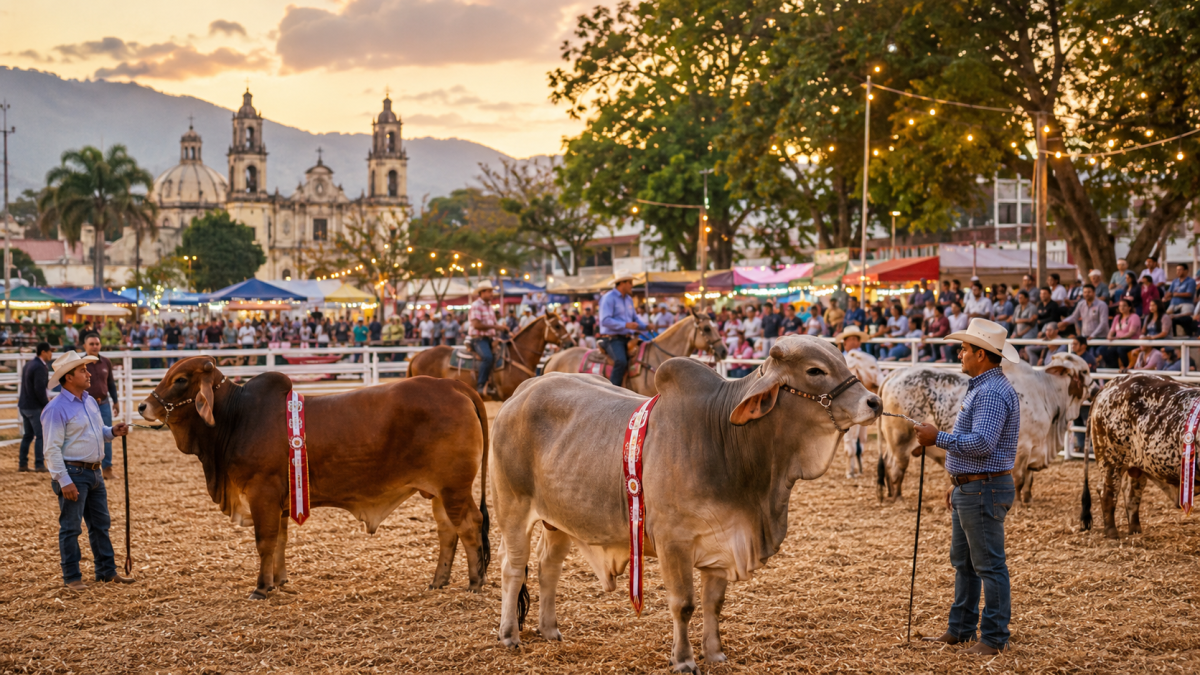
    Many people outside El Salvador know the country mostly from news about security, politics, or Bitcoin. But in Santa Ana, there is a quieter, older story that has been growing for forty years in corrals, show rings, and family ranches. The Feria Ganadera Nuestra Señora Santa Ana, now marking its 40th anniversary, shows a different side of who we are and how we live.

    From rail yards to regional landmark

    Founded in 1986

    The livestock fair was founded in 1986 and was originally held on the grounds of Ferrocarriles Internacionales de Centroamérica (IRCA), in the old Finca Modelo—today the Indes sports complex on the northwest side of Santa Ana.

    What began as a local initiative to bring ranchers and buyers together has grown into the largest and most important livestock fair in El Salvador, a reference point not only for the western region but also for the national cattle industry.

    Building its own home

    As the years passed, the fair moved from borrowed rail land to its own facilities. This change reflects something bigger: livestock production became more professional, breeder associations grew stronger, and Santa Ana became a center for agro-industrial activity in western El Salvador.

    A fair that shapes the herd: genetics and productivity

    Center of cattle trade and breeding

    Every year, the fair gathers over 350 cattle from various ranches and breeds, with a focus on animals with strong genetics. It is now the main place in El Salvador to buy and sell registered cattle, breeding stock, and stallions, which are key to improving herds across the country.

    Filiberto Guerra, president of the Asociación Feria Ganadera Nuestra Señora Santa Ana and a second-generation rancher, describes the fair as “the largest center for the purchase of registered cattle and cattle for breeding and stallions in the country,” emphasizing its role in genetic improvement and the overall development of Salvadoran livestock.

    Genetics as a quiet transformation

    In El Salvador, rural livelihoods are often overlooked. The fair’s focus on genetics is not just a technical matter—it shows a long, steady effort to:

    • Improve productivity: Better genetics mean more milk, more meat, and more resilient animals.
    • Raise standards: Registered cattle and judged competitions push ranchers toward record‑keeping, health controls, and selective breeding.
    • Connect El Salvador to the region: The fair brings together breeders and judges from across Central America, putting Salvadoran cattle into a broader discussion of quality and innovation.

    This is a story of progress that rarely gets attention. Small and medium producers are investing in better animals, improved practices, and a stronger rural economy.

    Fiestas Julias: where faith, family, and livestock meet

    A patronal destination

    The fair is one of the main attractions of the Fiestas Julias in Santa Ana Centro, the city’s patronal celebrations. Every year, around 100,000 visitors pass through the fairgrounds, making it a preferred destination for locals and visitors alike.

    Here, the religious calendar, city celebrations, and the farming cycle come together. Livestock producers are part of city life, bringing their animals, families, and traditions into the center of the festivities.

    Beyond corrals: a full cultural program

    The fair is not only about cattle. Its program includes:

    • Jaripeos and ribbon races: Rodeo‑style events and traditional horseback competitions.
    • Judging and contests: Formal evaluations of cattle and popular competitions like the “vaca lechera” (dairy cow).
    • Concerts and music: Daily concerts with orchestras and national groups, blending rural identity with contemporary entertainment.
    • Gastronomy and family spaces: Food stalls, typical dishes, and areas designed for families to spend the day together.

    In this blend of livestock, music, and food, you can see another side of El Salvador—one that values work, land, and community as part of its culture.

    Forty years of continuity: families, identity, and pride

    A generational legacy

    The fair’s history is also a family story. Juan Guerra, one of the founders, handed leadership to his son, Filiberto, who now heads the association. This passing of knowledge from one generation to the next is common in Salvadoran rural life, where families share what they know about animals, land, and markets.

    In 2026, Valeria Sofía Reyes Viera was crowned Reina de la Asociación Feria Ganadera, bringing together youth and tradition. She stands for a new generation joining a legacy built over forty years, showing pride in local roots and a willingness to embrace the future.

    Identity beyond stereotypes

    When we talk about El Salvador, we rarely talk about:

    • The breeders who spend years improving a bloodline.
    • The families who plan their year around the fair.
    • The young people who see livestock not as a relic of the past, but as a modern, technical field with regional reach.

    These stories are part of El Salvador’s identity. The Santa Ana Livestock Fair shows the country as a place of continuity and care, where people invest in animals, land, and community for many years.

    A different side of El Salvador

    While national stories often focus on economic numbers or security statistics, the 40th anniversary of the Feria Ganadera Nuestra Señora Santa Ana encourages us to look more closely at the everyday forces driving change.

    Here, development is not a slogan; it is:

    • A fairground built from scratch over forty years.
    • A herd improved, animal by animal, through careful breeding.
    • A city that welcomes 100,000 visitors to celebrate work, faith, and festivity together.

    This livestock fair is more than just an event. It is a living record of how El Salvador’s rural and urban worlds come together and grow. Visiting the fair shows a country that is more than its headlines—a place of ranchers and families, music and jaripeos, genetics and tradition, all gathering under the lights of Santa Ana’s Fiestas Julias.

    If you like stories about El Salvador’s growth, economy, tourism, culture, environment, and ongoing change, please like, comment, and share this article.

  • El Salvador Is Rediscovering Itself: Domestic Tourism Reaches 4.7 Million Visits in Six Months

    El Salvador Is Rediscovering Itself: Domestic Tourism Reaches 4.7 Million Visits in Six Months

    A reflection on movement, family, and the quiet transformation of our national destinations

    El Salvador is becoming a country on the move.

    From January through June 2026, domestic tourism generated 4.7 million recorded visits to destinations across the country, according to figures from the Ministry of Tourism. Salvadorans, foreign residents, and other visitors traveled to beaches, parks, mountain towns, cultural sites, and historic districts on weekends, holidays, and vacations.

    That number represents more than people passing through a gate or arriving at a beach. It reflects a change in how Salvadorans see their own country.

    Families are getting into their cars on Saturday morning and heading somewhere together. Couples are spending an afternoon in the Historic Center of San Salvador. Friends are visiting the mountains, walking through a national park, or sitting beside the ocean with food and conversation.

    Little by little, Salvadorans are rediscovering the country they call home.

    A Small Country With Many Choices

    One of El Salvador’s greatest strengths is the variety found within such a small area.

    A person can leave the city in the morning, reach the mountains before lunch, and finish the day watching the sunset over the Pacific. Beaches, volcanoes, lakes, forests, colonial towns, archaeological sites, and modern public spaces are all within a few hours of one another.

    The latest tourism figures show that people are taking advantage of that variety.

    Surf City continues to attract international travelers, while Costa Azul and Barra de Santiago remain popular along the western coast. Protected natural areas, the Route of Las Flores, and the Historic Center of San Salvador are also receiving strong numbers of national and international visitors.

    Each destination offers something different.

    Surf City provides waves, restaurants, hotels, and the energy of a growing coastal destination. Barra de Santiago offers a quieter connection to nature, mangroves, and traditional seaside life. The Route of Las Flores brings together mountain scenery, colorful towns, local food, crafts, and weekend markets.

    The Historic Center of San Salvador offers another kind of experience. Its plazas, restored buildings, churches, restaurants, museums, and public events have transformed the capital’s center into a place where families once again gather.

    Together, these destinations tell the story of a country learning to appreciate its own beauty.

    National Parks Are Becoming Weekend Retreats

    The country’s recreational and natural parks are also playing an important role in this growth.

    The Salvadoran Tourism Institute reported that its 18 parks received 235,758 visitors during June alone. The five most visited were:

    • Apulo Recreational Park: 35,392 visitors
    • Puerta del Diablo Natural Park: 31,005 visitors
    • Cerro Verde Natural Park: 27,423 visitors
    • Amapulapa Recreational Park: 23,696 visitors
    • Ichanmichen Recreational Park: 18,370 visitors

    These numbers reveal what many Salvadorans are looking for: fresh air, open spaces, affordable recreation, and places where the family can spend time together.

    A national park does not need luxury hotels or expensive attractions to matter. Sometimes people simply need a place to walk, sit beneath the trees, share a meal, let the children play, and step away from the pressures of everyday life.

    Apulo offers water and recreation close to the capital. Puerta del Diablo combines dramatic views with one of the country’s most recognizable natural landmarks. Cerro Verde provides cooler temperatures and views of the surrounding volcanoes. Amapulapa and Ichanmichen offer pools, trees, and spaces that generations of Salvadoran families have enjoyed.

    These places are not new, but the way people are returning to them feels new.

    Tourism Begins With a Family Outing

    Large tourism reports usually speak about visitor totals, investment, hotel occupancy, and economic growth. All of those things are important.

    But domestic tourism often begins with something much simpler.

    It begins when a family decides not to stay home on Sunday.

    They may pack food, gather the children, call a relative, and leave early in the morning. They might spend only a few dollars, but those dollars move through the community. They pay for fuel, parking, entrance tickets, lunch, cold drinks, souvenirs, or something handmade by a local artisan.

    One family outing may seem small. Thousands of family outings taking place every weekend create an economy.

    A Source of Income for Local Communities

    Tourism supports far more than hotels and large restaurants.

    It helps the woman selling pupusas beside the road. It helps the fisherman supply seafood to a small coastal restaurant. It helps the artisan producing handmade gifts, the young person working as a guide, the family operating a guesthouse, and the driver transporting visitors between destinations.

    The steady flow of visitors drives economic activity for restaurants, hotels, artisans, transportation providers, and other small businesses connected to tourism.

    This is especially important in rural and coastal communities, where weekend visitors can make the difference between a slow month and a successful one.

    Every meal purchased, room rented, entrance fee paid, and locally made product sold becomes part of a much larger chain. That money stays active. It supports jobs, families, suppliers, and future investment.

    Tourism is not only recreation. For many Salvadorans, it is a livelihood.

    Safety Has Changed the Way People Move

    There is also a part of this story that should not be ignored.

    For many years, Salvadorans did not always feel free to travel wherever they wanted. Some communities, roads, parks, and public spaces were avoided because people worried about crime or crossing into unfamiliar territory.

    That fear shaped daily life.

    Today, many families travel with a level of confidence that would have been difficult to imagine several years ago. They visit places they once avoided, stay out later, walk through public squares, and allow their children to enjoy spaces that previously felt uncertain.

    That change cannot always be measured in a tourism chart.

    It is measured when parents feel comfortable taking their children to a park. It appears when a family drives across the country without worrying about entering the wrong neighborhood. You can see it when public spaces remain active after sunset and when visitors return home talking about what they enjoyed rather than what they feared.

    The growth of domestic tourism is partly the story of Salvadorans reclaiming their freedom of movement.

    Tourism and the Responsibility to Protect What We Enjoy

    Growth also brings responsibility.

    More visitors mean more pressure on beaches, forests, parks, roads, water systems, and local communities. Trash, uncontrolled construction, damage to natural areas, and overcrowding can quickly weaken the very places attracting people.

    We should enjoy these destinations, but we must also care for them.

    Visitors can help by taking their trash home, respecting protected areas, supporting responsible local businesses, and treating communities as homes rather than temporary playgrounds.

    Authorities and private developers also carry responsibility. Tourism growth should include proper sanitation, environmental protection, safe infrastructure, fair access, and long-term planning.

    Success should not be measured only by how many people arrive. It should also be measured by the condition in which we leave these places for the next generation.

    A Country Becoming Its Own Destination

    For many years, tourism discussions focused mainly on attracting foreigners. International tourism remains extremely important, but domestic tourism provides something equally valuable: stability.

    Foreign travel can rise or fall because of airfare, economic conditions, world events, or changing trends. Salvadorans traveling within their own country provide a more consistent foundation for restaurants, parks, hotels, tour operators, and community businesses.

    They also become ambassadors.

    A Salvadoran who discovers a beautiful beach, mountain village, park, or historic site will tell relatives, share photographs, return with friends, and recommend the place to visitors from abroad.

    Domestic tourism builds pride from within.

    The 4.7 million visits recorded during the first six months of 2026 show that El Salvador is no longer only presenting itself as a destination to the rest of the world. It is becoming a destination for its own people.

    That may be one of the most meaningful transformations of all.

    A country changes when its citizens begin seeing familiar landscapes differently. A beach becomes more than a coastline. A park becomes more than trees and walking paths. A historic street becomes more than old buildings.

    They become places where memories are made.

    They become part of the family story.

    They become reminders that sometimes we do not have to travel far to find something beautiful.

    Sometimes it has been here all along.

    If you enjoy stories about El Salvador’s growth, economy, tourism, culture, environment, and continuing transformation, please like, comment, and share this article.

  • Cacahuatique: Caring for the Mountain That Gives Us Water

    Cacahuatique: Caring for the Mountain That Gives Us Water

    Cerro Cacahuatique began the week with the sound of footsteps, voices, and the quiet determination of people who understand what it means to care for a mountain.

    In the district of Osicala, Morazán Sur, municipal workers, community organizations, students, water boards, and other institutions gathered for a reforestation day in one of eastern El Salvador’s most important water-recharge areas.

    This was not simply a ceremonial planting or an opportunity to take photographs beside a few young trees. The activity forms part of a larger reforestation plan with an ambitious goal: planting 30,000 trees during the rainy season.

    That number matters. However, the real importance of this project is not found only in the number of seedlings placed in the ground. It is found in the water that those trees may help protect the soil they may hold in place, and the communities that will depend on that mountain long after the planting crews have gone home.

    A Mountain That Sustains Communities

    Cerro Cacahuatique is much more than a beautiful geographic feature on a map of Morazán.

    Its springs, forests, and micro-watersheds help supply water to communities in Chilanga, San Francisco Gotera, San Carlos, Yamabal, and other areas extending into northern San Miguel. Studies of the region have found that many residents depend on water sources located along the mountain’s slopes.

    In that sense, the mountain serves as a natural reservoir.

    Rain falls across its slopes and filters into the soil. Forests slow the movement of water, reduce erosion, and help the ground retain moisture. Springs and streams then carry that water toward the communities below.

    When trees disappear, the natural system weakens.

    Bare or damaged soil cannot hold water as effectively. Heavy rain runs quickly down the slopes, carrying valuable soil with it. Streams can fill with sediment, while springs may produce less water during the dry season. The damage may begin high on the mountain, but families living many kilometers away eventually feel the consequences.

    This is why reforestation on Cacahuatique is not only an environmental project. It is an investment in water security, agriculture, and the daily lives of thousands of Salvadorans.

    A Responsibility Shared by Many

    One of the most encouraging parts of this effort is the number of groups working together.

    The reforestation day included representatives from the municipal government, the Departmental Government of Morazán, PADECOMS, Lutheran World Relief, ASPS, ACUGOLFO, the Armed Forces, local water boards, Civil Protection commissions, and other community participants.

    Each organization may approach the mountain from a different perspective. Some focus on water. Others work in agriculture, community development, health, emergency response, education, or local government. On this day, however, they shared one purpose: protecting the landscape that supports the entire region.

    That cooperation is important because environmental restoration cannot succeed through the work of a single institution.

    A government agency may provide trees. Municipal workers may prepare the land. Community organizations may identify the areas facing the greatest risk. Water boards understand which springs and systems are most vulnerable. Farmers know where erosion is damaging their soil. Residents provide the long-term care that young trees need after the official event has ended.

    When these groups work together, reforestation becomes more than a one-day activity. It becomes part of a larger commitment to the territory.

    Students Learning Through Their Hands

    Students from the National Institute of Osicala also participated in the reforestation effort. Their presence added another level of meaning to the day.

    Young people can learn about forests, climate, and water conservation in a classroom. Those lessons are important, but there is something different about placing a seedling into the soil with your own hands.

    A student who plants a tree may return years later and see that it has grown taller than they are. They may remember the morning they carried it up the slope, covered its roots, and gave it its first water.

    That experience creates a personal connection with the land.

    It teaches that environmental care is not an abstract idea reserved for experts or government officials. It is something ordinary people can practice. It also reminds young Salvadorans that the future of their communities will eventually become their responsibility.

    The trees planted during this rainy season may still be standing when today’s students are raising families of their own.

    Reaching Beyond Cerro Cacahuatique

    The broader reforestation plan will not be limited to a single area of the mountain.

    Trees are also expected to be distributed to places damaged by fires, other water-recharge zones, and properties where farmers and producers want to conserve their soil and restore degraded land.

    This broader approach makes sense.

    Environmental damage rarely remains within a single boundary. Fire, erosion, deforestation, drought, and poor land management affect entire watersheds. Restoration must therefore extend across hillsides, farms, forests, and communities.

    A tree planted on agricultural land can help hold the soil together. Trees placed near a spring can provide shade and protection. Reforestation in a fire-damaged area can begin to restore habitat and reduce future erosion.

    No single planting campaign can repair every damaged landscape. However, progress often begins this way—one hillside, one farm, one community, and one rainy season at a time.

    Planting Is Only the Beginning

    Reaching the goal of 30,000 trees would be a significant achievement, but planting them is only the first step.

    Young trees need protection. Some will require water when rainfall becomes irregular. Others may need barriers to prevent livestock from damaging them. Communities must watch for fires, illegal cutting, pests, and other threats.

    Survival matters more than the number planted during the opening campaign.

    A seedling placed in the ground and forgotten may not live through its first dry season. A tree monitored and protected by the community has a much better chance of becoming part of the forest.

    That is why the participation of local residents, students, farmers, and water boards is so valuable. Institutions can begin a project, but the people who live around the mountain will ultimately determine whether it succeeds.

    Real restoration takes patience. Forests do not return overnight, and damaged water systems do not recover after a single rainy season. The work may take years, but every mature forest began with young trees taking root.

    A Quiet Form of National Progress

    When we speak about El Salvador’s transformation, most attention naturally goes toward visible projects: new roads, hospitals, schools, tourism centers, airports, markets, and public spaces.

    Those developments matter. They are signs of movement and investment.

    Environmental recovery is often quieter.

    It happens on a mountain slope far from the capital. It happens when community members protect a spring, when farmers change the way they manage their land, or when students spend a morning planting trees instead of sitting behind their desks.

    There may be no ribbon cutting when a hillside slowly becomes green again. Yet the benefits can last for generations.

    Protecting Cerro Cacahuatique means protecting part of El Salvador’s natural infrastructure. The mountain collects water, supports agriculture, provides habitat, and helps communities face the increasing uncertainty of drought, irregular rainfall, and extreme weather.

    That work deserves the same seriousness we give to concrete, steel, and public construction.

    Caring for a Place We May Never See

    Those of us living in western El Salvador may be far from Morazán, but projects like this still matter to us.

    Our country is small, and its environmental systems are connected. The mountains, forests, rivers, wetlands, and coastal areas may belong to different regions, but together they sustain the nation.

    What happens on Cerro Cacahuatique affects the families who turn on a faucet, fill a water container, irrigate a crop, or depend on a community water system. Their concerns may be local, but the lesson belongs to all of us.

    Water does not appear by accident. It comes from landscapes that must be respected, managed, and protected.

    The people planting trees in Osicala are caring for something they may never personally own. They are working for neighbors they may never meet and for children who have not yet been born.

    There is something deeply hopeful in that.

    A Promise Planted in the Soil

    A reforestation day may seem small when compared with the size of a mountain. A single seedling may appear fragile beneath the surrounding trees.

    Yet every restored forest begins with such a moment.

    Someone carries a young tree to the right place. Someone opens the soil. Someone covers its roots and trusts that the rain will help it grow.

    Years later, that tree may provide shade, hold back erosion, shelter wildlife, or help water filter into the earth. The person who planted it may never see its full height, but the community may still receive its benefits.

    Un árbol plantado en silencio puede cambiar el futuro de una comunidad.

    A tree planted today is a promise kept for the generations that follow.

    Cerro Cacahuatique gives water to its communities. By caring for the mountain, those communities are now giving something back.

    If you enjoy stories about El Salvador’s development, economy, tourism, culture, environment, and continuing transformation, please consider liking, commenting, and sharing this article.